How Much Does Storage Cost Per Month? 2026 Price Guide |
| HOW MUCH DOES STORAGE COST PER MONTH
⏱ 11 min read ·
📄 #2,035 words
Storage units cost $35 to $300 per month depending on size and location. See 2026 pricing for 5x10, 10x10, 10x20 units and outdoor RV parking in Colorado.
|
S torage units cost between $35 and $300 per month in 2026, with the exact price depending on unit size, location, and features. A standard 10x10 drive-up unit averages $100 to $160 monthly in most U.S. markets, while smaller 5x10 units run $35 to $120 and larger 10x20 spaces cost $150 to $284.
| Key Points: | |
|---|---|
| • | 5x10 units cost $35 to $120 per month; 10x10 units cost $73 to $160 per month |
| • | Climate-controlled storage adds 20% to 50% to base prices |
| • | Rural Colorado facilities charge 20% to 40% less than Denver or coastal metros |
| • | Outdoor RV and boat parking ranges from $39 to $250 per month based on coverage type |
| • | Month-to-month leases with no deposit offer flexibility without long-term commitments |
Storage Unit Prices by Size in 2026
Unit size is the primary factor determining your monthly storage cost. According to Extra Space Storage's 2026 pricing guide , national averages vary significantly based on square footage. The table below shows typical monthly rates across different unit sizes.
| Unit Size | Square Feet | National Average | Rural Colorado |
|---|---|---|---|
| 5x5 | 25 sq ft | $40 to $80 | $30 to $60 |
| 5x10 | 50 sq ft | $60 to $120 | $34.50 to $90 |
| 10x10 | 100 sq ft | $100 to $160 | $73.50 to $120 |
| 10x15 | 150 sq ft | $130 to $200 | $99.50 to $150 |
| 10x20 | 200 sq ft | $150 to $300 | $150 to $284 |
| 10x30 | 300 sq ft | $200 to $350 | $180 to $280 |
At Parachute Self Storage, a 5x10 drive-up unit starts at $34.50 per month, while a 10x10 unit costs $73.50 monthly. These rates reflect typical pricing for Western Slope communities along the I-70 corridor, including Battlement Mesa, Rifle, Silt, and New Castle.
How Big Is a 10x10 Storage Unit?
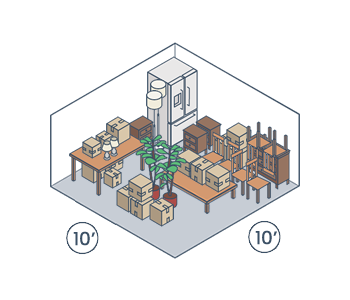
A 10x10 storage unit provides 100 square feet of floor space with 8-foot ceilings, totaling approximately 800 cubic feet of storage volume. This size equals roughly half a standard one-car garage. Most people can store the contents of a one-bedroom apartment or 3 to 4 rooms of furniture in a 10x10 unit.
The 10x10 size works well for furniture sets, appliances, boxes, and seasonal items. According to Public Storage's pricing guide , this is the most popular unit size nationwide, accounting for approximately 30% of all rentals.
How Big Is a 5x10 Storage Unit?
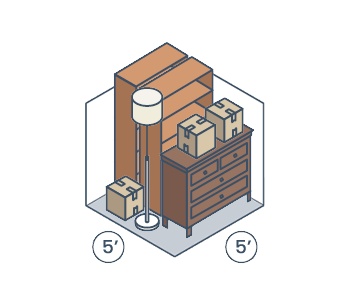
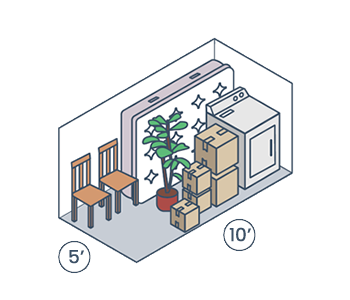
A 5x10 storage unit offers 50 square feet, comparable to a large walk-in closet. This size holds the contents of a small studio apartment, approximately 10 to 15 boxes, a mattress set, a dresser, and several small furniture pieces. The 5x10 is ideal for college students, seasonal gear storage, or small business inventory.
How Big Is a 10x20 Storage Unit?
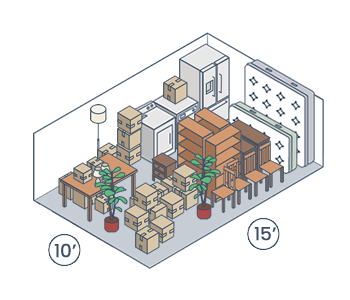
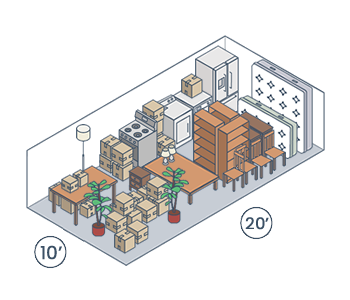
A 10x20 storage unit provides 200 square feet, equivalent to a standard one-car garage. This size accommodates the contents of a 3 to 4 bedroom home, a full vehicle, or substantial business inventory. The 10x20 is the largest standard unit size and works for major moves, renovation projects, or commercial storage needs.
What Factors Affect Monthly Storage Costs?
Seven primary factors determine how much you pay for storage each month. Understanding these variables helps you find the best value for your specific needs.
1. Geographic Location
Location creates the largest price variation in storage costs. A 10x10 unit in San Francisco or New York City costs $200 to $400 per month, while the same size in rural Colorado runs $73 to $120. The Self Storage Association reports that coastal metros charge 50% to 100% more than inland markets for equivalent units.
For residents of Parachute, Battlement Mesa, Rifle, and surrounding communities, local facilities offer significantly lower rates than Denver or Grand Junction. Proximity to I-70 Exit 75 provides convenient access without big-city pricing.
2. Unit Type and Access
Drive-up units with ground-level access typically cost 10% to 15% more than upper-floor indoor units. The convenience of pulling your vehicle directly to the door justifies the premium for most renters. Interior hallway units in multi-story buildings often cost less but require elevator access and longer loading times.
3. Climate Control Features
Climate-controlled storage maintains temperatures between 55 and 80 degrees Fahrenheit with humidity regulation. This feature adds 20% to 50% to base rental rates. A climate-controlled 10x10 unit averages $130 to $180 per month compared to $100 to $160 for standard units.
Climate control protects sensitive items including electronics, wooden furniture, artwork, photographs, vinyl records, and documents. Items stored longer than 6 months in temperature extremes risk warping, cracking, mold growth, or deterioration.
4. Security Features
Facilities with comprehensive security charge higher rates but provide better protection. Key security features include 24/7 video surveillance, coded gate entry, perimeter fencing, individual unit alarms, and on-site management. According to industry data, facilities with all five features charge approximately 15% to 25% more than basic storage options.
5. Lease Terms and Promotions
Month-to-month leases offer flexibility but may cost 5% to 10% more than annual contracts at some facilities. Many storage companies offer first-month-free promotions, $1 move-in specials, or online booking discounts. Focus on the ongoing monthly rate rather than introductory offers when comparing total costs.
6. Occupancy and Demand
Storage facilities use dynamic pricing similar to hotels and airlines. Prices increase during peak moving season from May through September. A unit costing $100 in February might run $130 in July at the same facility. Booking during off-peak months saves 15% to 30% on initial rates.
7. Additional Fees
Watch for fees beyond the base rental rate. Common additional charges include administrative fees of $15 to $30, required tenant insurance at $10 to $20 monthly, and late payment fees of $20 to $50. Some facilities require security deposits equal to one month's rent, though many now offer no-deposit rentals.
How Much Does RV and Boat Storage Cost Per Month?
Outdoor vehicle, RV, and boat storage ranges from $39 to $400 per month depending on coverage type and vehicle length. The table below breaks down typical monthly rates for different parking options.
| Storage Type | Description | Monthly Cost |
|---|---|---|
| Open Outdoor Parking | Uncovered space for vehicles, trailers, boats | $39 to $150 |
| Covered Parking | Roof protection, open sides | $100 to $200 |
| Enclosed RV Storage | Full garage-style unit for large RVs | $150 to $400 |
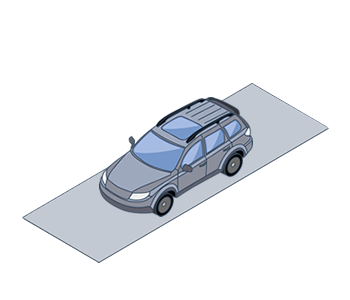
At Parachute Self Storage, 11x20 open parking spaces start at $39 per month. This rate covers cars, motorcycles, trailers, small RVs, and boats with 24/7 access through coded gate entry. The facility's location just off I-70 makes it convenient for outdoor enthusiasts traveling between Grand Junction and Glenwood Springs.
What Is a Cheaper Alternative to a Storage Unit?
Several alternatives cost less than traditional storage units, though each involves tradeoffs in convenience, security, or accessibility.
Portable Storage Containers
Companies like PODS, U-Pack, and 1-800-PACK-RAT deliver containers to your location. According to U-Pack's pricing page , portable storage starts at $150 per month per container. This option works well for moves but costs more than small traditional units for long-term storage.
Shared Storage Spaces
Peer-to-peer storage platforms like Neighbor connect renters with homeowners offering garage, basement, or shed space. Rates run 30% to 50% below commercial facilities, averaging $50 to $100 monthly for 100 square feet. Security and access vary significantly by host.
Decluttering and Selling
The cheapest storage solution is eliminating the need for storage entirely. Items stored for more than 12 months rarely get retrieved. Selling, donating, or disposing of unused belongings eliminates ongoing monthly costs. A one-time donation pickup costs nothing, while storage fees accumulate indefinitely.
Home-Based Solutions
Maximizing existing home storage costs nothing beyond organizational supplies. Overhead garage racks run $100 to $300 one-time. Under-bed storage containers cost $20 to $50. These solutions work for seasonal items but cannot replace dedicated storage for major life transitions.
How to Save Money on Monthly Storage Costs
Strategic planning reduces storage expenses by 20% to 40% without sacrificing quality or convenience. These seven approaches help minimize your monthly bill.
Right-size your unit. Renting more space than needed wastes money every month. Use a storage unit size guide to estimate requirements accurately. A 10x10 costs roughly $30 more monthly than a 10x15 at most facilities.
Book online. Many facilities offer 10% to 20% discounts for online reservations. The process takes under 60 seconds and locks in current pricing before potential increases.
Choose month-to-month leases. Avoid paying for months you do not need. Month-to-month flexibility lets you move out immediately when storage is no longer required. Long-term contracts lock you into payments even after your needs change.
Skip climate control when unnecessary. Metal tools, outdoor furniture, holiday decorations, and sporting equipment do not require climate control in moderate climates. Reserve temperature-controlled units for genuinely sensitive items.
Rent during off-peak months. October through April typically offers lower rates and better availability. Summer moving season drives prices up 15% to 30% at many facilities.
Set up autopay. Many facilities waive administrative fees or offer small discounts for automatic payment enrollment. Autopay also prevents late fees from missed due dates.
Choose locally owned facilities. Independent storage operators often charge less than national chains like Public Storage, Extra Space Storage, or CubeSmart. Local facilities also provide more personalized service and flexible policies.
Storage Cost Comparison: Local vs. National Facilities
Locally owned storage facilities typically charge 10% to 25% less than national chains for equivalent units. The comparison below shows typical pricing differences for a 10x10 drive-up unit in similar markets.
| Feature | National Chains | Local Facilities |
|---|---|---|
| 10x10 Monthly Rate | $120 to $180 | $73 to $140 |
| Administrative Fee | $20 to $30 | $0 to $15 |
| Security Deposit | Often required | Often waived |
| Rate Increases | Common after 6 months | Less frequent |
| Customer Service | Call center | Direct owner contact |
National chains like Extra Space Storage and Public Storage use revenue management software that raises rates on existing tenants every 6 to 12 months. Locally owned facilities typically maintain more stable pricing and offer greater flexibility on lease terms.
Frequently Asked Questions About Storage Costs
How much is a 10x20 storage unit per month?
A 10x20 storage unit costs $150 to $300 per month nationally, with rural markets averaging $150 to $200 and major metros reaching $250 to $350. At Parachute Self Storage, a 10x20 drive-up unit rents for $284 monthly with 24/7 access and no deposit required. This size holds the contents of a 3 to 4 bedroom home or a full-size vehicle.
What is the cheapest way to store items?
The cheapest storage method depends on volume and duration. For small amounts, maximize home storage with organizational systems costing $50 to $200 one-time. For larger volumes, small 5x10 units at local facilities start around $35 monthly. Peer-to-peer platforms like Neighbor offer rates 30% to 50% below commercial facilities but with variable security and access.
Do storage facilities raise your rent over time?
Many facilities, particularly national chains, increase rates every 6 to 12 months. Industry data shows average annual increases of 8% to 15% for existing tenants. Month-to-month leases allow you to move if rates increase unacceptably. Some locally owned facilities maintain stable pricing for long-term tenants.
What fees are added to the base storage price?
Common additional fees include administrative fees of $15 to $30 at move-in, tenant insurance requirements of $10 to $20 monthly, late payment fees of $20 to $50, and security deposits equal to one month's rent. Review the complete fee schedule before signing. Many facilities, including Parachute Self Storage, waive deposits and minimize administrative charges.
Is climate-controlled storage worth the extra cost?
Climate control is worth the 20% to 50% premium for temperature-sensitive items stored longer than 6 months. Electronics, wooden furniture, leather goods, photographs, documents, wine, and musical instruments require stable temperatures between 55 and 80 degrees. Standard units work fine for metal tools, outdoor equipment, holiday decorations, and durable household goods.
How can I rent a storage unit online?
Most facilities offer online rental in under 60 seconds. Visit the facility website, select your unit size, enter payment information, and receive immediate access credentials. Our FAQ page explains the complete rental process, including how to set up autopay and manage your account online.
|