Storage Units Near Me and Prices: 2026 Cost Guide by Size |
| STORAGE UNITS NEAR ME AND PRICES
⏱ 12 min read ·
📄 #2,268 words
Storage unit prices range from $34 to $284 per month depending on size. Compare costs for 5x10, 10x10, 10x15, and 10x20 units plus RV and boat parking.
|
S torage unit prices in 2026 range from $30 to $300 per month depending on unit size, location, and features. A standard 10x10 unit costs $90 to $150 monthly in most markets, while smaller 5x10 units run $50 to $100. Rural and small-town facilities like those along Colorado's I-70 corridor typically charge 20 to 40 percent less than urban centers.
| Key Points: | |
|---|---|
| • | 5x10 units cost $34 to $100 per month; 10x10 units cost $73 to $150 per month |
| • | Location is the biggest price factor, with rural areas 20 to 40 percent cheaper than cities |
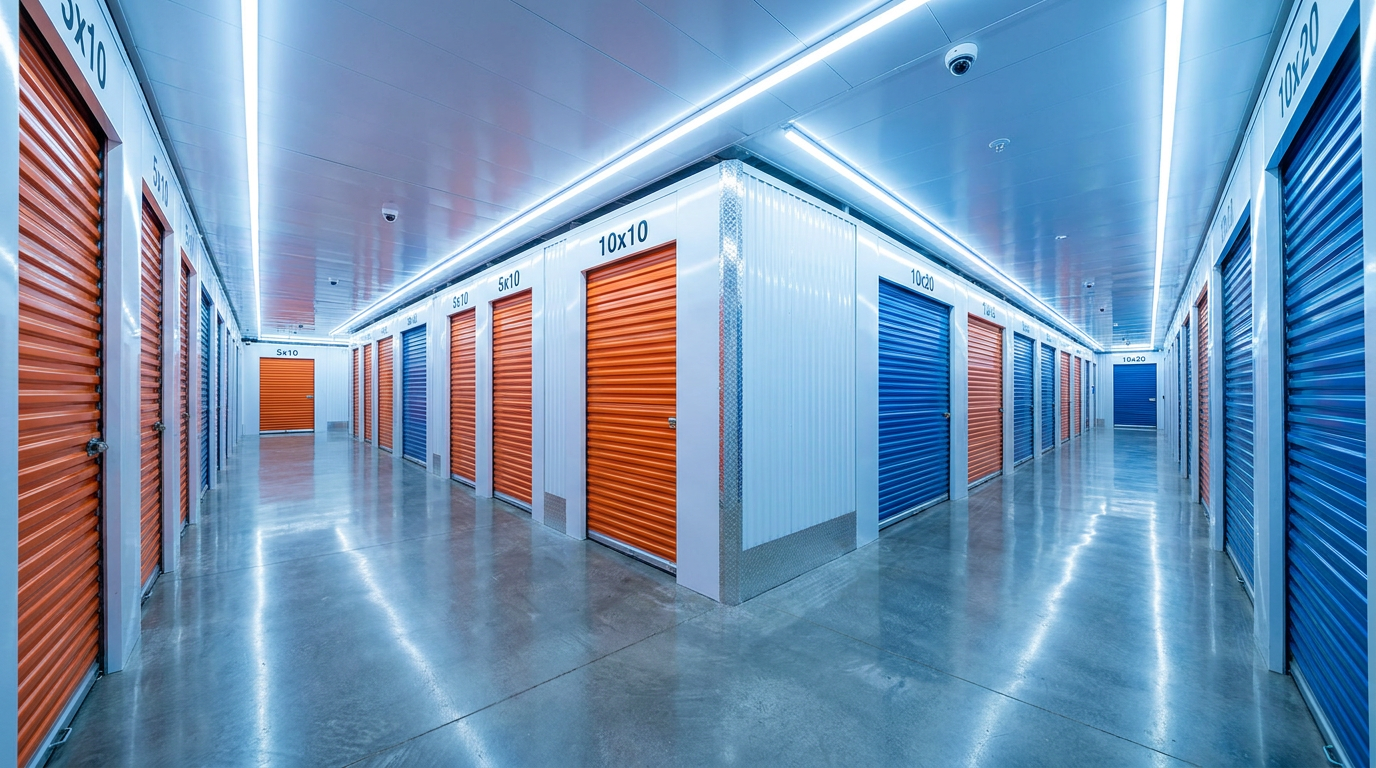
| • | Drive-up units typically cost less than climate-controlled indoor units by 15 to 30 percent |
| • | Outdoor RV and boat parking starts at $39 per month for 11x20 spaces |
| • | Month-to-month leases offer flexibility without long-term commitment or deposits |
Storage Unit Prices by Size: Complete 2026 Breakdown
Understanding storage unit pricing starts with knowing what each size offers and what it typically costs. According to Move.org's 2025 storage cost analysis, the national average for all storage units is approximately $180 per month, though actual prices vary significantly based on size and market.
The following table shows typical price ranges for common unit sizes across different market types. These figures reflect 2026 pricing from industry data and local facility rates.
| Unit Size | Square Feet | Urban Price | Rural/Small Town | Best For |
|---|---|---|---|---|
| 5x5 | 25 sq ft | $50 to $90 | $30 to $60 | Boxes, seasonal items |
| 5x10 | 50 sq ft | $70 to $120 | $34 to $75 | Studio apartment, small furniture |
| 10x10 | 100 sq ft | $120 to $200 | $73 to $120 | 1 to 2 bedroom home |
| 10x15 | 150 sq ft | $150 to $250 | $99 to $150 | 2 to 3 bedroom home |
| 10x20 | 200 sq ft | $200 to $350 | $150 to $284 | 3+ bedroom home, vehicles |
| 10x30 | 300 sq ft | $280 to $450 | $200 to $350 | Large home, business inventory |
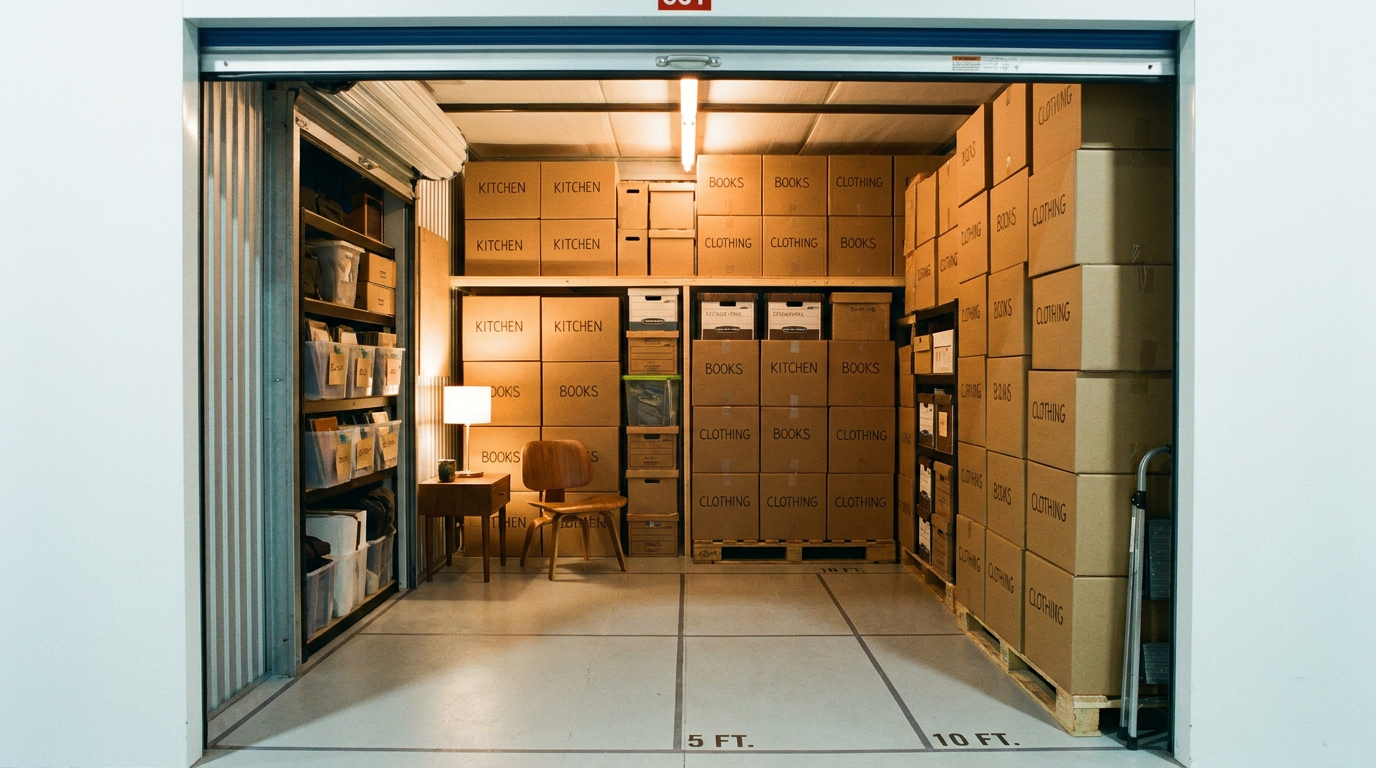
A 10x20 storage unit contains 200 square feet, equivalent to a single-car garage. This size holds the contents of a 3 to 4 bedroom home or can fit a standard vehicle. At 1,600 cubic feet of space, it accommodates large furniture, appliances, and numerous boxes.
How Much Does a 10x10 Storage Unit Cost Per Month?
A 10x10 storage unit costs between $73 and $200 per month depending on your location and facility type. This 100-square-foot space is the most popular rental size according to data from SpareFoot, representing approximately 25 percent of all storage rentals nationwide.
In metropolitan areas like Denver, Los Angeles, or New York, expect to pay $150 to $200 monthly for a 10x10 unit. Smaller markets along Colorado's Western Slope, including communities near Parachute, Rifle, and Grand Junction, typically offer the same space for $73 to $120 per month.
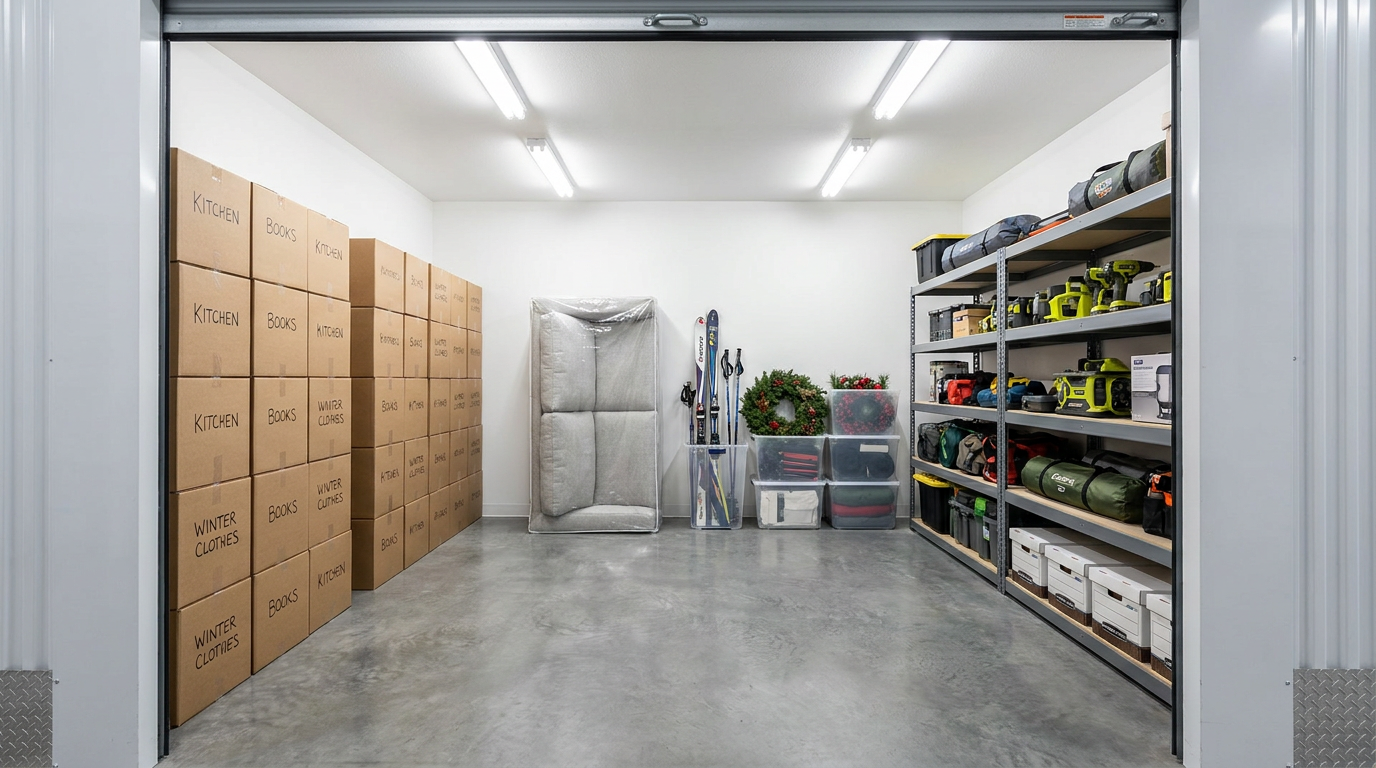
The 10x10 size fits the contents of a 1 to 2 bedroom apartment, including a queen mattress, dresser, couch, dining table with chairs, and 20 to 30 medium boxes. For reference, our storage unit size guide provides detailed recommendations for matching your belongings to the right space.
What Factors Affect Storage Unit Prices Near You?
Seven primary factors determine what you will pay for storage in your area. Understanding these variables helps you find the best value without sacrificing features that matter.
Location and Local Demand
Geographic location creates the largest price variation in self storage. According to Public Storage's pricing guide, urban facilities charge 40 to 60 percent more than suburban or rural locations due to higher land costs and stronger demand.
Facilities near universities, military bases, or major highways often command premium rates. However, smaller communities with less competition can sometimes see elevated prices if storage supply is limited.
Unit Type: Drive-Up vs. Climate-Controlled
Drive-up storage units with ground-level access typically cost 15 to 30 percent less than climate-controlled indoor units. Climate control maintains temperatures between 55 and 80 degrees Fahrenheit, protecting sensitive items from extreme heat, cold, and humidity.
Choose climate control if you are storing electronics, wooden furniture, photographs, wine, or documents for longer than 6 months. Standard drive-up units work well for household goods, outdoor equipment, and items that tolerate temperature fluctuation.
Security Features
Facilities with comprehensive security command higher rates but protect your investment. Key security features include 24/7 video surveillance, coded gate entry, perimeter fencing, individual unit alarms, and on-site management. A facility with all these features may cost 10 to 20 percent more than one with basic security.
Access Hours
24/7 access is a premium feature valued by contractors, business owners, and frequent travelers. Some facilities restrict access to business hours (typically 6 AM to 9 PM), while others offer round-the-clock entry with no appointment required. Unlimited access may add $10 to $25 monthly to your rate.
Contract Terms and Promotions
Month-to-month leases provide maximum flexibility but sometimes cost slightly more than 6 or 12-month commitments. Many facilities offer move-in specials like first month free, first month half off, or discounted rates for online reservations.
Watch for hidden costs including administrative fees ($15 to $30), security deposits (often one month's rent), mandatory insurance ($10 to $20 monthly), and required lock purchases ($10 to $25). Facilities offering no deposit and no admin fees provide better total value.
RV, Boat, and Vehicle Storage Costs
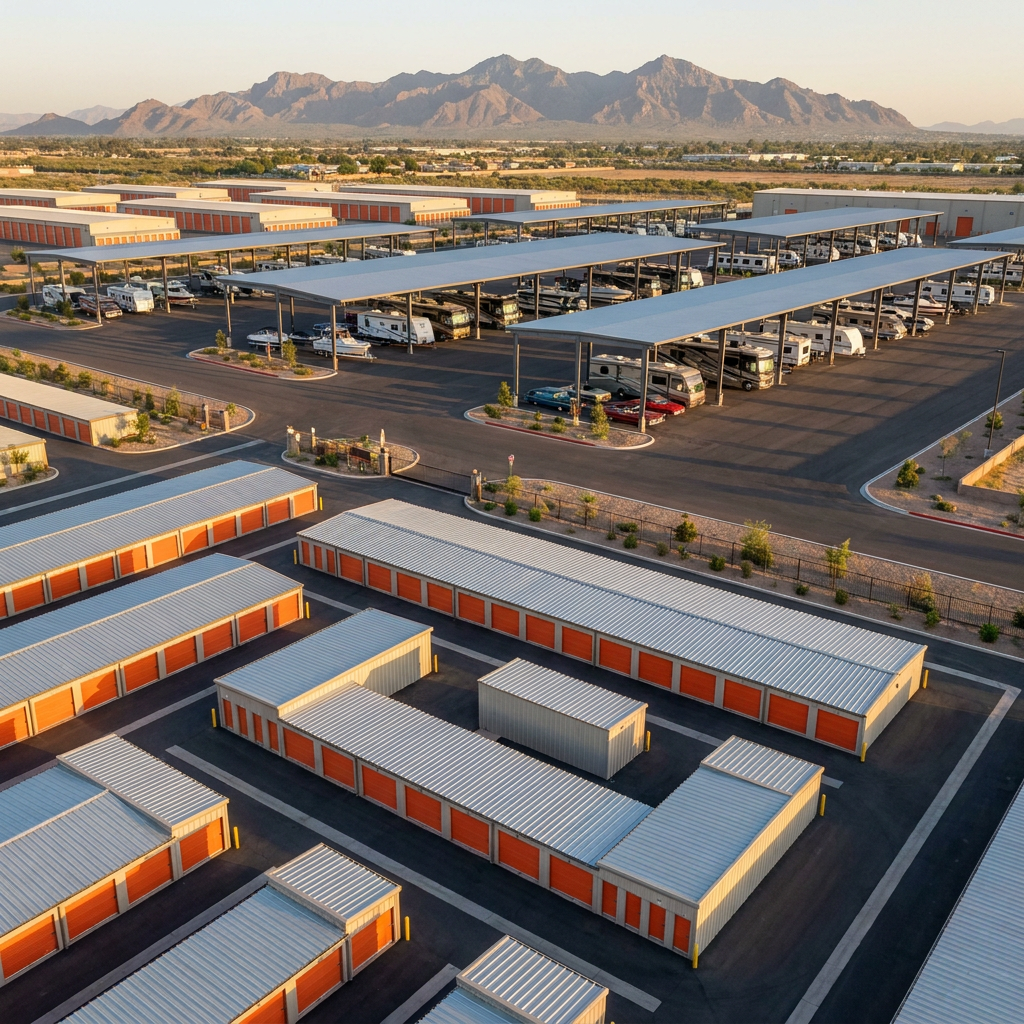
Outdoor parking for RVs, boats, and vehicles costs significantly less than enclosed storage while providing convenient access for recreational equipment. Industry data shows outdoor parking spaces range from $39 to $200 monthly depending on size and amenities.
| Parking Type | Typical Size | Monthly Cost | Best For |
|---|---|---|---|
| Open Outdoor | 11x20 to 12x30 | $39 to $100 | Cars, trailers, small RVs |
| Covered Parking | 12x30 to 12x40 | $100 to $175 | Boats, mid-size RVs |
| Enclosed | 12x35 to 15x50 | $150 to $350 | Classic cars, large RVs |
For Colorado outdoor enthusiasts storing boats, RVs, or recreational vehicles near the I-70 corridor, facilities in Parachute, Battlement Mesa, and Rifle offer competitive rates compared to Front Range locations. Our outdoor parking options start at $39 monthly for 11x20 spaces with 24/7 gated access.
Where Is the Cheapest Place to Get a Storage Unit?
The cheapest storage units are found in rural areas, small towns, and regions with multiple competing facilities. According to industry pricing data, the least expensive markets include parts of the Midwest, rural South, and mountain communities away from major ski resorts.
To find the lowest prices in your area, compare these options:
- Locally owned facilities often undercut national chains by 10 to 25 percent while offering comparable or better service
- Facilities 10 to 15 miles outside city centers typically charge 20 to 35 percent less than downtown locations
- Drive-up only facilities without climate control or elevator access have lower operating costs passed to renters
- New facilities frequently offer aggressive introductory pricing to build occupancy
Aggregator sites like SpareFoot, SelfStorage.com, and Storage.com allow side-by-side price comparisons. However, calling facilities directly sometimes reveals unadvertised specials or price matching.
What Is the Cheapest Way to Get Storage?
Beyond choosing an affordable facility, several strategies reduce your total storage costs by 20 to 50 percent:
Rent only the space you need. Most people overestimate required storage size. Use a storage size calculator or visit the facility to view units before committing. Downsizing from a 10x15 to a 10x10 saves $25 to $75 monthly.
Time your rental strategically. Storage demand peaks from May through September during moving season. Renting in October through February often yields better rates and more promotional offers.
Negotiate or ask about discounts. Many facilities offer military, senior, or student discounts of 5 to 15 percent. Long-term renters can sometimes negotiate rate locks or reduced increases.
Avoid unnecessary add-ons. Skip facility insurance if your homeowner's or renter's policy covers stored items. Bring your own lock instead of purchasing one on-site. Choose a facility without mandatory administrative fees.
Cheaper Alternatives to Traditional Storage Units
Traditional self storage is not the only option for storing belongings. These alternatives may cost less depending on your situation:
Portable storage containers from companies like PODS, U-Pack, or 1-800-PACK-RAT deliver a container to your location for loading. Monthly costs range from $100 to $250, competitive with mid-size units when you factor in convenience. This option works well for moves or renovations.
Peer-to-peer storage platforms like Neighbor.com connect renters with homeowners offering garage, basement, or driveway space. Rates run 30 to 50 percent below commercial facilities, though security and access vary significantly.
Shared storage with family, friends, or neighbors splits costs while utilizing unused space. A 10x20 unit at $200 monthly costs each party just $100 when shared.
Decluttering and selling eliminates storage costs entirely. If you are paying $100 monthly to store items worth $500, selling makes financial sense within 5 months.
How to Compare Storage Unit Prices Effectively
Comparing storage facilities requires looking beyond the advertised monthly rate. Use this checklist to evaluate true costs and value:
Calculate total move-in cost. Add first month's rent, administrative fees, security deposit, required insurance, and lock purchase. A $99 monthly rate with $50 in fees costs more than a $115 rate with no additional charges.
Ask about rate increases. Many facilities raise rents after 3 to 6 months of occupancy. Request the facility's rate increase policy in writing. Some locally owned facilities offer rate stability that national chains do not.
Verify access hours. Limited access hours cost you time and convenience. If you need evening or weekend access, confirm availability before signing.
Inspect security features. Visit the facility to verify advertised security. Check that cameras are functional, gates work properly, and lighting is adequate. Security protects both your belongings and your peace of mind.
Read reviews for service quality. Google reviews and Better Business Bureau ratings reveal how facilities handle problems, billing disputes, and customer service. A slightly higher rate at a well-managed facility often provides better value.
Storage Pricing in Colorado's I-70 Corridor
For residents of Parachute, Battlement Mesa, Rifle, Silt, New Castle, and Grand Junction, storage prices run below Front Range averages due to lower land costs and reduced demand pressure. The I-70 corridor between Glenwood Springs and Grand Junction offers competitive options for both household storage and vehicle parking.
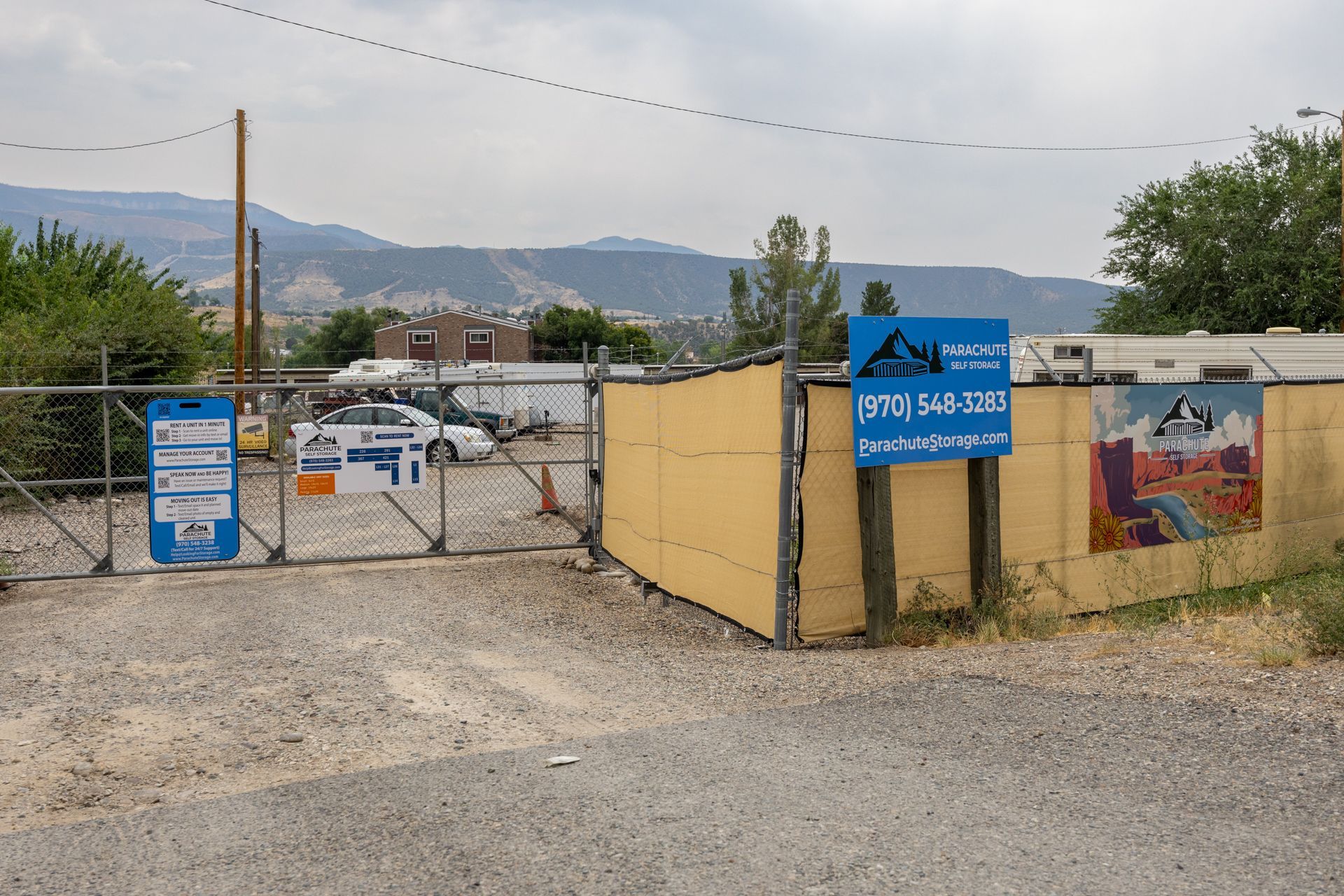
At Parachute Self Storage, located at Exit 75 off Interstate 70, current pricing includes:
- 5x10 drive-up units: $34.50 per month
- 10x10 drive-up units: $73.50 per month
- 10x15 drive-up units: $99.50 per month
- 10x20 drive-up units: $284 per month
- 11x20 outdoor parking: $39 per month
All units include 24/7 access, video surveillance, coded gate entry, and month-to-month leases with no deposit required. The facility serves both locations at 156 Cardinal Way and 427 Cardinal Way in Parachute.
Frequently Asked Questions About Storage Unit Prices
How much does a 10x10 storage unit cost near me?
A 10x10 storage unit costs $73 to $200 per month depending on your location. Urban areas average $150 to $200, while rural and small-town facilities charge $73 to $120. This 100-square-foot space holds the contents of a 1 to 2 bedroom apartment.
What is the cheapest storage unit size I can rent?
The smallest commonly available size is 5x5 (25 square feet), costing $30 to $90 monthly. Some facilities offer locker-size units as small as 3x3 or 4x4 for $20 to $50. These spaces hold boxes, seasonal decorations, or small sporting equipment.
Do storage unit prices go up after a few months?
Yes, many facilities increase rates after 3 to 12 months of occupancy. National chains typically raise rates 8 to 12 percent annually. Ask about rate increase policies before renting and consider facilities that offer rate stability guarantees.
How much does it cost to store an RV or boat near me?
Outdoor RV and boat parking costs $39 to $200 monthly depending on space size and amenities. Covered parking runs $100 to $175, while fully enclosed storage costs $150 to $350. Prices vary based on vehicle length and facility location.
Can a car fit in a 10x20 storage unit?
Yes, a 10x20 storage unit accommodates most standard vehicles including sedans, SUVs, and small trucks. The 200-square-foot space measures 10 feet wide by 20 feet long, providing adequate clearance for vehicles up to 18 feet in length with room for additional items.
Is it cheaper to rent outdoor or indoor storage?
Outdoor drive-up storage costs 15 to 30 percent less than indoor climate-controlled units of the same size. A 10x10 outdoor unit averaging $100 monthly would cost $115 to $130 as a climate-controlled indoor unit. Choose based on what you are storing and local climate conditions.
Can I get 24/7 access to my storage unit?
Many facilities offer 24/7 access, though some restrict hours to 6 AM to 9 PM. Round-the-clock access is valuable for business owners, shift workers, and anyone needing flexible scheduling. Verify access hours before signing a lease, as this feature varies by facility.
Making the Right Storage Decision
Finding storage units near you at the right price requires balancing cost against convenience, security, and features. Start by determining the size you actually need using a storage size guide, then compare total costs including fees and potential rate increases.
For residents along Colorado's Western Slope, locally owned facilities often provide better value and more responsive service than national chains. Our locally owned team at Parachute Self Storage has served the I-70 corridor community for over 16 years with straightforward pricing and no hidden fees.
Have questions about storage options or pricing? Contact our team by phone at (970) 548-3283 or email for personalized recommendations based on your specific needs.
|