How to Choose a Storage Facility: 15-Point Inspection Checklist |
| HOW TO CHOOSE A STORAGE FACILITY: 15-POINT INSPECTION CHECKLIST
⏱ 12 min read ·
📄 #2,201 words
Use this 15-point inspection checklist to evaluate storage facilities before renting. Compare security, access, pricing, and cleanliness to find the best fit.
|

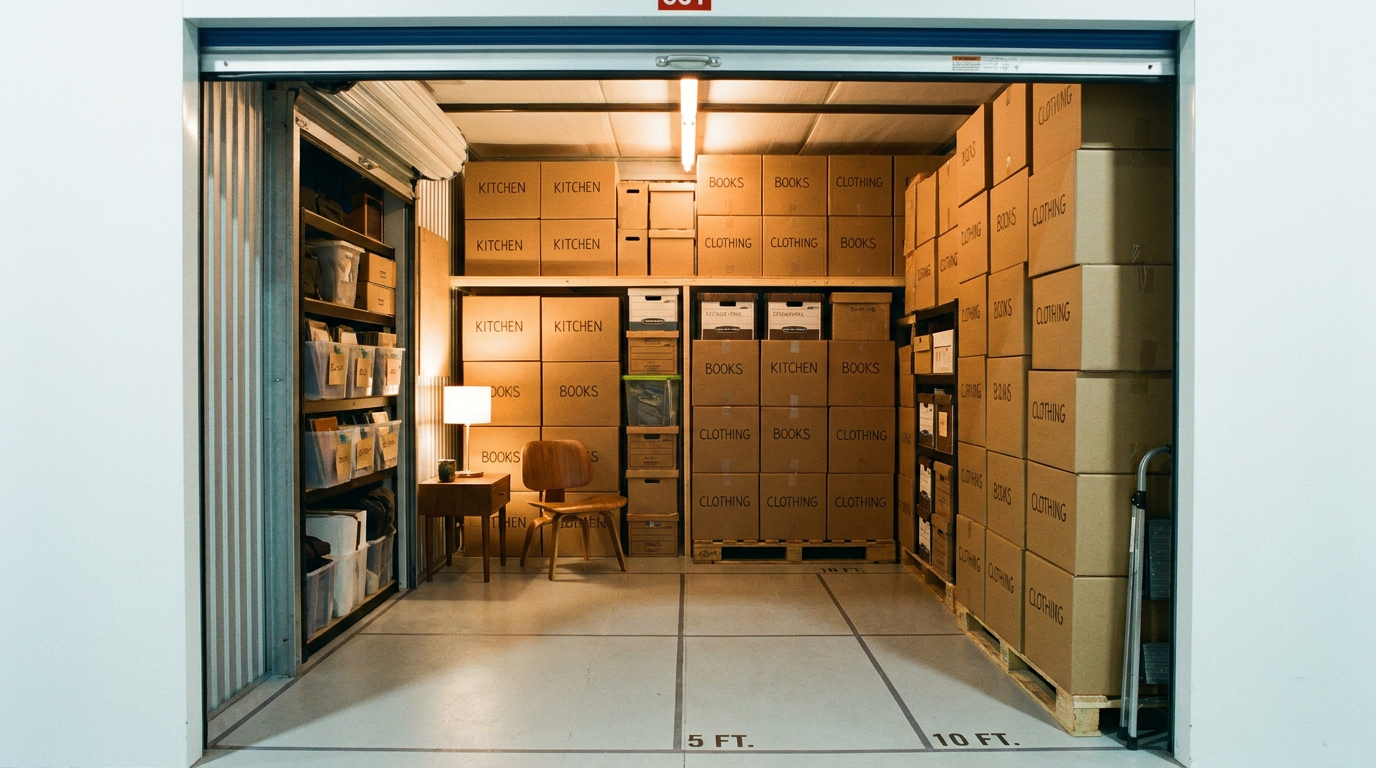
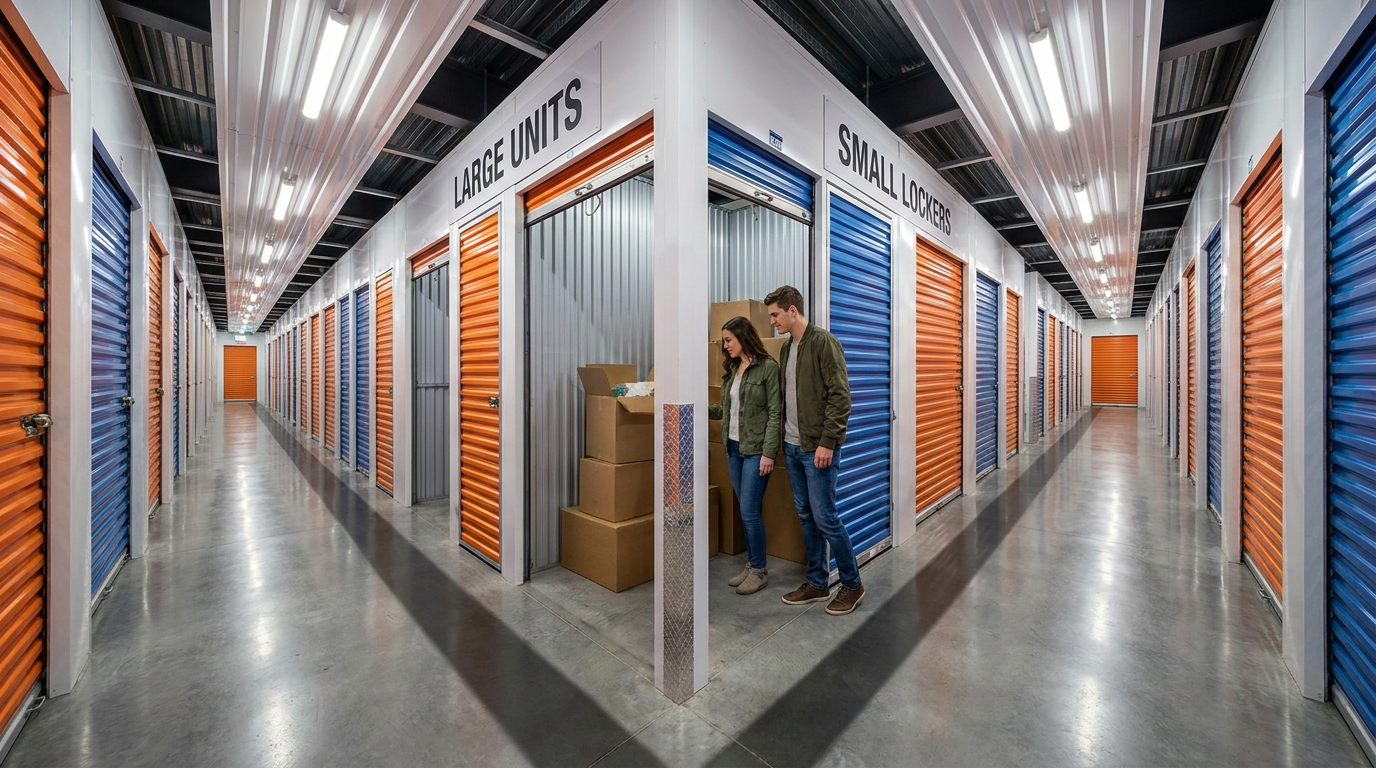
T he best storage facility combines strong security measures, convenient access hours, transparent pricing, and clean, well-maintained units. Before signing a rental agreement, inspect these 15 critical factors in person: perimeter fencing, gate access systems, video surveillance coverage, unit condition, pest control evidence, lighting quality, drainage systems, fire safety equipment, climate control options, lease terms, insurance requirements, payment flexibility, staff responsiveness, online management tools, and customer reviews.
| Key Points: | |
|---|---|
| • | Visit facilities in person to verify security features like coded gate entry, perimeter fencing, and 24/7 video surveillance |
| • | Compare total costs including base rent ($34 to $284/month for common sizes), insurance ($10 to $25/month), and administrative fees |
| • | Check for month-to-month leases with no deposit required to maintain flexibility |
| • | Inspect unit interiors for water stains, pest droppings, door seal integrity, and ventilation quality |
| • | Verify 24/7 access availability if you need to retrieve items outside business hours |
Why a Pre-Rental Inspection Matters
According to the National Archives facility standards documentation, proper storage conditions directly impact the longevity and safety of stored items. A 2024 Self Storage Association industry report found that 67% of first-time renters who skipped facility inspections experienced unexpected issues within six months, including water damage, pest problems, or security concerns.
This checklist goes beyond basic considerations. While competitors focus on surface-level advice like "check if it's clean," this guide provides specific measurements, questions to ask, and red flags that indicate deeper problems. Use it to compare multiple facilities before committing your belongings and budget.
Security Features: Points 1 Through 5
Point 1: Perimeter Fencing Quality
Inspect the entire fence line, not just the entrance. Look for gaps larger than 4 inches at ground level, bent or damaged sections, and fence height of at least 6 feet. Chain-link fencing should include privacy slats or barbed wire tops for additional deterrence. Iron or steel fencing offers superior durability but costs facilities 40% more to install, often reflected in rental rates.
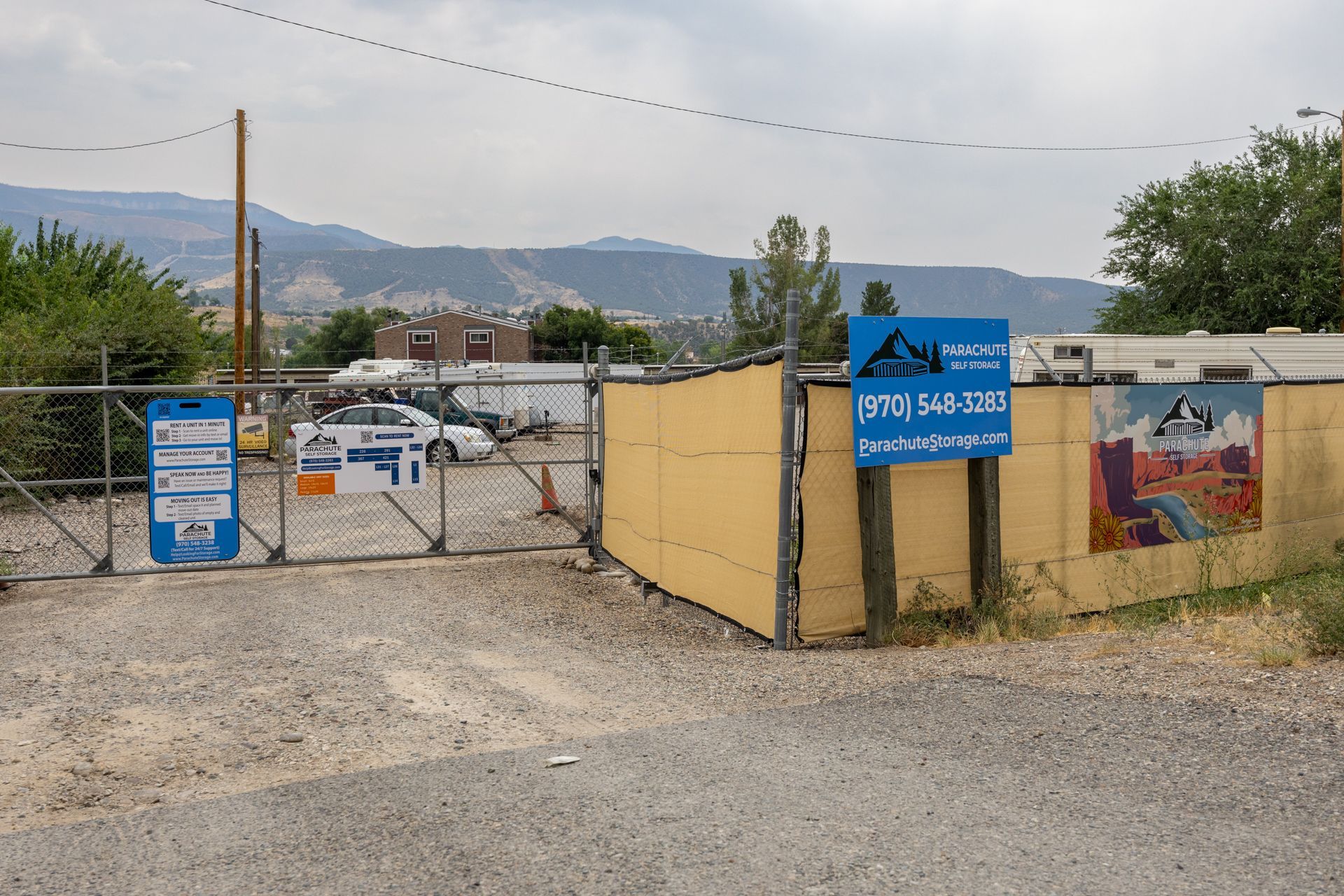
Walk the perimeter during your visit. Facilities in areas like Parachute, Battlement Mesa, and Rifle, Colorado should have fencing appropriate for the local environment, accounting for wildlife and weather conditions along the I-70 corridor.
Point 2: Gate Access Systems
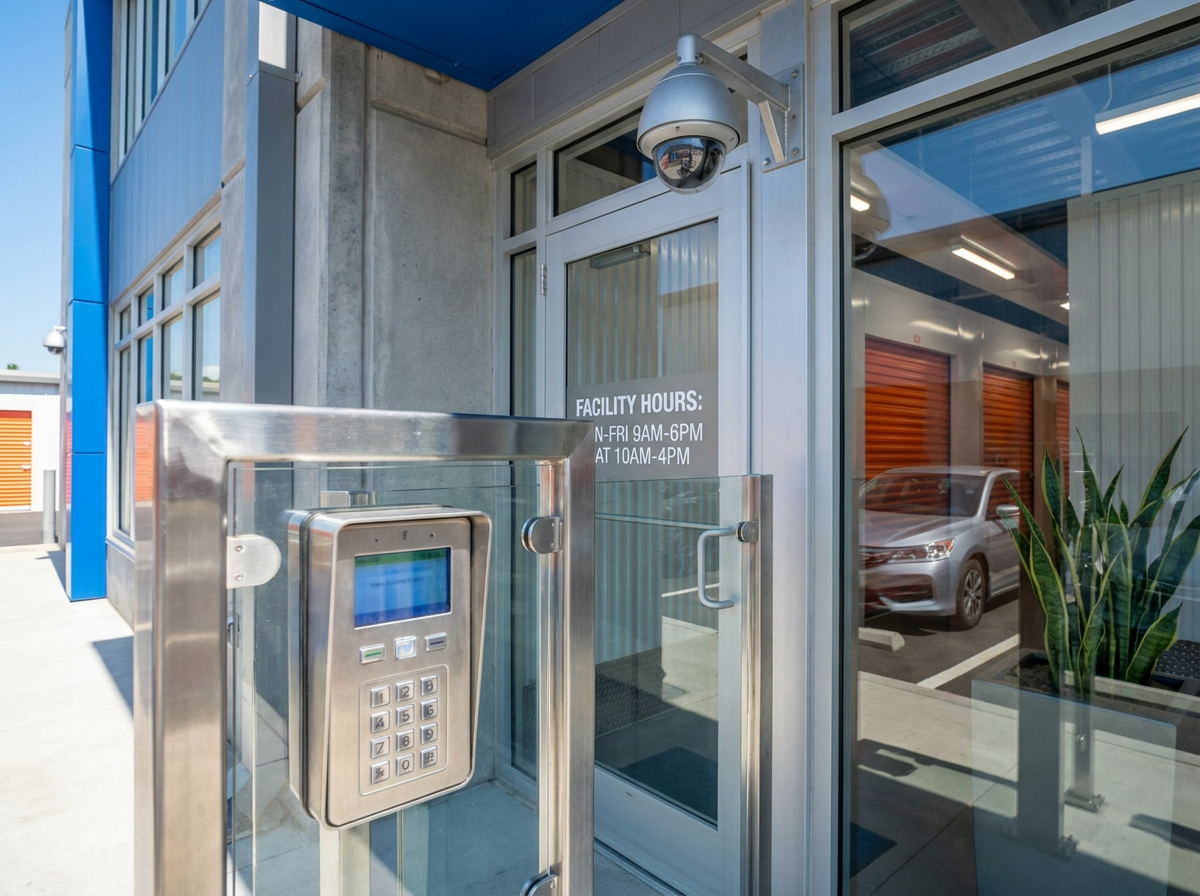
Modern facilities use coded gate entry requiring unique PIN codes for each tenant. Ask these specific questions: How often are access codes changed after move-outs? Does the system log entry and exit times? Can management remotely lock out delinquent accounts? The best systems track all gate activity for 90 days minimum, providing an audit trail if theft occurs.
Point 3: Video Surveillance Coverage
Count the visible cameras and note their positions. Effective coverage requires cameras at the gate, every building corner, each hallway or drive aisle, and the office area. Ask about recording retention periods; industry standard is 30 days, but premium facilities retain footage for 60 to 90 days. Night vision capability is essential since 73% of storage facility break-ins occur between 10 PM and 5 AM.
Point 4: Lighting Assessment
Visit the facility after sunset if possible. Adequate lighting means no dark corners between buildings, illuminated unit doors, and motion-activated lights in less-trafficked areas. Poor lighting creates hiding spots and makes surveillance footage unusable. LED lighting indicates the facility invests in modern infrastructure since LEDs cost 60% less to operate than traditional bulbs.
Point 5: Individual Unit Locks
Determine whether the facility provides locks or requires you to supply your own. Disc locks (circular design) offer better cut resistance than standard padlocks. Some facilities use cylinder locks built into doors, which prevent lock removal entirely. If supplying your own, budget $15 to $40 for a quality disc lock from brands like Master Lock, ABUS, or Brinks.
Facility Condition: Points 6 Through 10
Point 6: Unit Interior Inspection
Step inside the actual unit you will rent, not a display model. Check walls and ceilings for water stains, which indicate roof leaks or drainage problems. Run your hand along the floor feeling for moisture or debris. Smell for mustiness suggesting mold or mildew. According to Investment Real Estate's facility inspection standards, visible water damage should disqualify any unit from consideration.
Point 7: Door and Seal Integrity
Open and close the unit door multiple times. It should move smoothly without sticking, grinding, or requiring excessive force. Examine the rubber seal around the door frame; gaps larger than 1/8 inch allow dust, moisture, and pests to enter. Roll-up doors should have intact bottom seals that contact the concrete threshold completely when closed.
Point 8: Pest Control Evidence
Look for droppings in corners, gnaw marks on walls or doors, and dead insects near thresholds. Ask management about their pest control schedule; professional treatment should occur monthly at minimum. Facilities in rural areas like those along Colorado's Western Slope face additional challenges from mice and insects, making regular pest management critical.
Point 9: Drainage and Grading
Observe the ground around buildings during or after rain if possible. Water should flow away from unit doors, not pool against them. Interior floors should sit 2 to 4 inches above exterior ground level. Ask about flood history; facilities should be sited at least 5 feet above the 100-year flood plain according to federal records storage standards.
Point 10: Climate Control Options
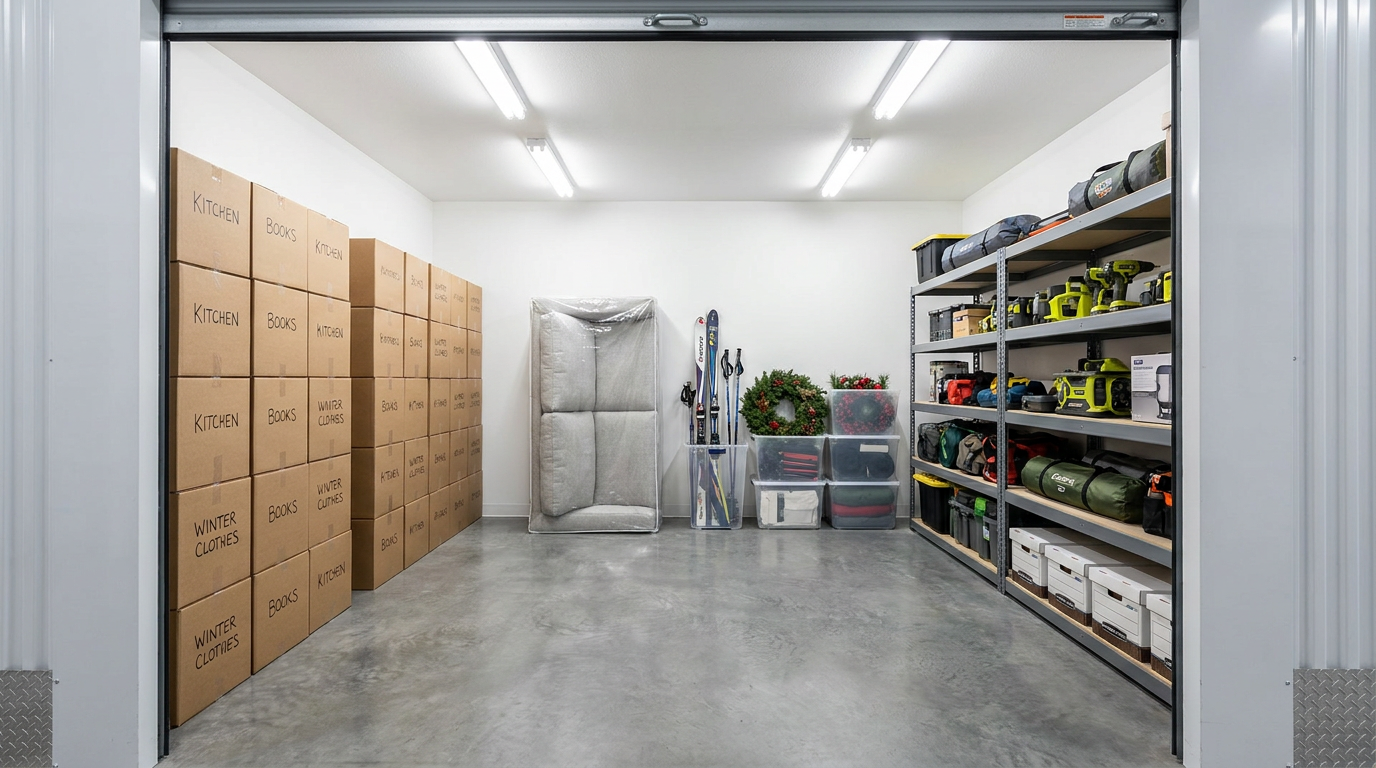
If storing temperature-sensitive items like electronics, wooden furniture, photographs, or documents, climate control is essential. These units maintain temperatures between 55 and 80 degrees Fahrenheit with humidity below 55%. Expect to pay 25% to 50% more for climate-controlled units. Standard drive-up units work well for items tolerating temperature swings, such as outdoor equipment, tools, and seasonal decorations.
Storage Facility Comparison Table
| Feature | Minimum Standard | Premium Standard | Red Flag |
|---|---|---|---|
| Gate Access | Keypad entry, business hours | 24/7 coded access with logging | Unlocked or shared codes |
| Surveillance | Cameras at gate and office | Full coverage, 60+ day retention | Dummy cameras or no recording |
| Lease Terms | Month-to-month available | No deposit, online management | Long-term contracts only |
| Unit Condition | Clean, dry, functional door | Recently painted, new seals | Water stains, pest evidence |
| Access Hours | 6 AM to 9 PM daily | 24/7 with no appointment | Limited weekend hours |
Business Practices: Points 11 Through 15
Point 11: Pricing Transparency
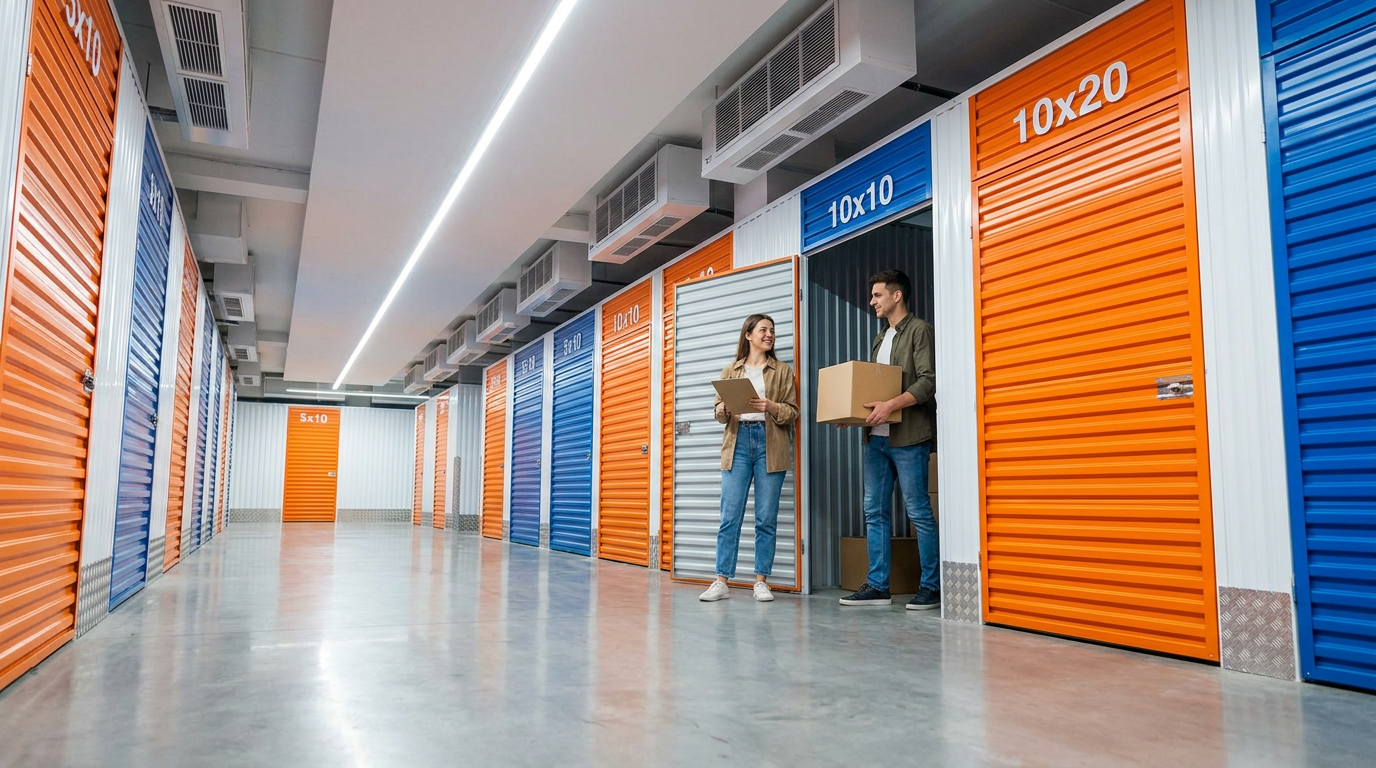
Request a complete cost breakdown before signing. Base rent varies significantly by size: 5x10 units typically cost $35 to $75 monthly, 10x10 units range from $70 to $150, and 10x20 units run $150 to $300. Ask about administrative fees (commonly $15 to $30 one-time), required insurance ($10 to $25 monthly if not providing your own), and late payment penalties. The Self Storage Association reports that 23% of facilities charge hidden fees not disclosed during initial quotes.
Point 12: Lease Flexibility
Month-to-month leases provide maximum flexibility, allowing you to downsize, upsize, or move out without penalty. Some facilities offer discounts of 5% to 15% for longer commitments, but these savings rarely outweigh the flexibility loss. Ask specifically about deposit requirements; many modern facilities have eliminated deposits entirely. Review the frequently asked questions section of any facility's website to understand their specific policies before visiting.
Point 13: Insurance Requirements
Most facilities require proof of insurance covering stored items. Options include extending your homeowner's or renter's policy (often adds $10 to $20 annually), purchasing facility-offered coverage ($10 to $25 monthly for $2,000 to $5,000 coverage), or obtaining standalone storage insurance from providers like Safestor or StorageFirst. Facility-offered insurance is convenient but typically costs more per dollar of coverage than extending existing policies.
Point 14: Online Management Tools
Modern facilities offer online rental, payment, and account management. Verify you can complete the rental process online in under 10 minutes, set up automatic payments, access your account 24/7, and receive electronic receipts and notifications. Facilities lacking online tools often have outdated management practices overall. The ability to rent a storage unit online and move in immediately indicates a well-managed operation.
Point 15: Customer Reviews and Reputation
Check Google Reviews, Yelp, and the Better Business Bureau before visiting. Look for patterns in complaints rather than isolated incidents. Common warning signs include repeated mentions of billing disputes, difficulty reaching management, security incidents, and cleanliness issues. Facilities with fewer than 20 reviews may be too new to evaluate properly. Locally owned facilities often receive higher satisfaction scores than national chains because of personalized service and faster issue resolution.
The 4 D's of Self Storage Explained
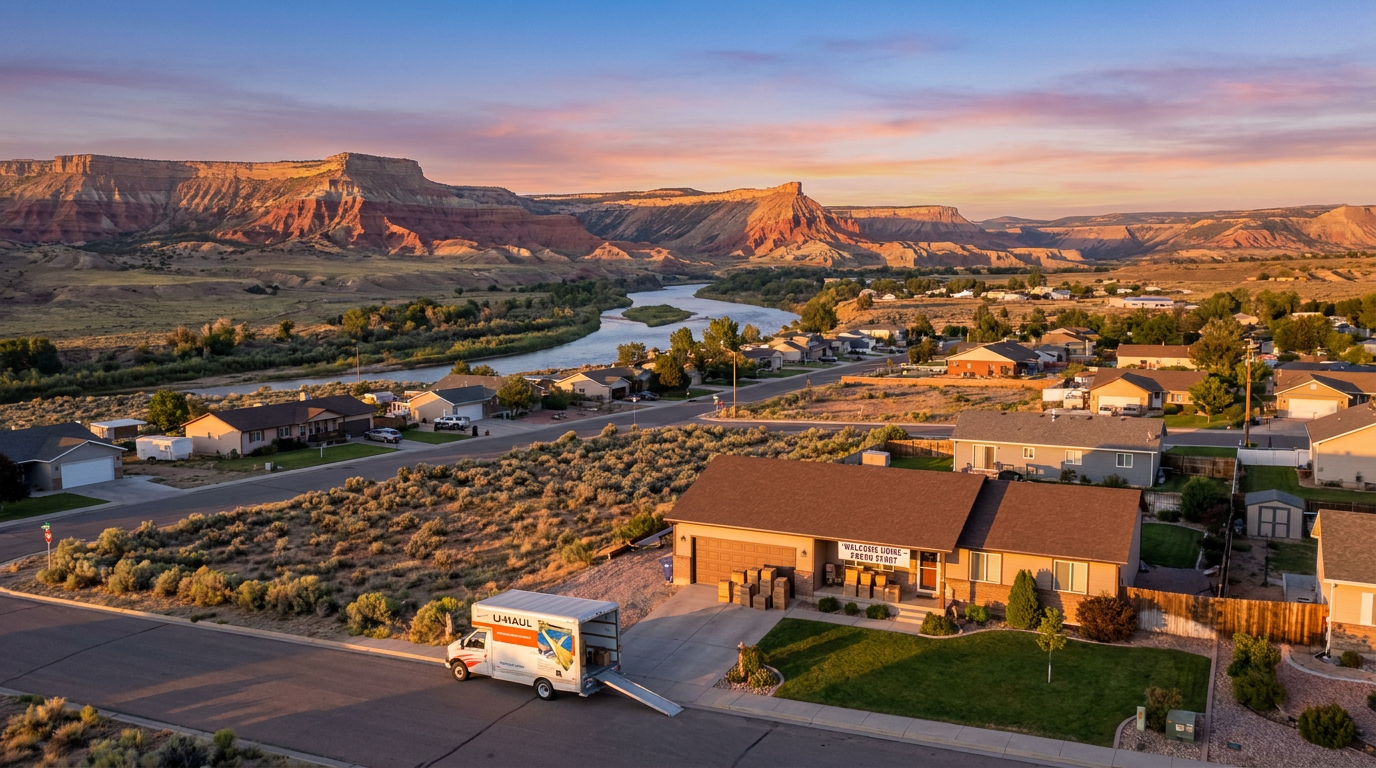
Industry professionals use the "4 D's" framework to understand why people need storage: Death, Divorce, Dislocation, and Downsizing. Each situation creates different storage needs and timelines.
Death often requires temporary storage while estates are settled, typically 3 to 12 months. Divorce creates immediate need for splitting household contents, usually requiring two smaller units temporarily. Dislocation includes job transfers, military moves, and temporary housing situations where belongings need safe keeping during transitions. Downsizing applies to retirees, empty nesters, and anyone moving to smaller spaces permanently.
Understanding your category helps determine the right unit size and lease term. Those in temporary situations benefit most from month-to-month flexibility, while downsizers may want to evaluate whether long-term storage costs justify keeping items versus selling or donating them.
Questions to Ask During Your Facility Tour
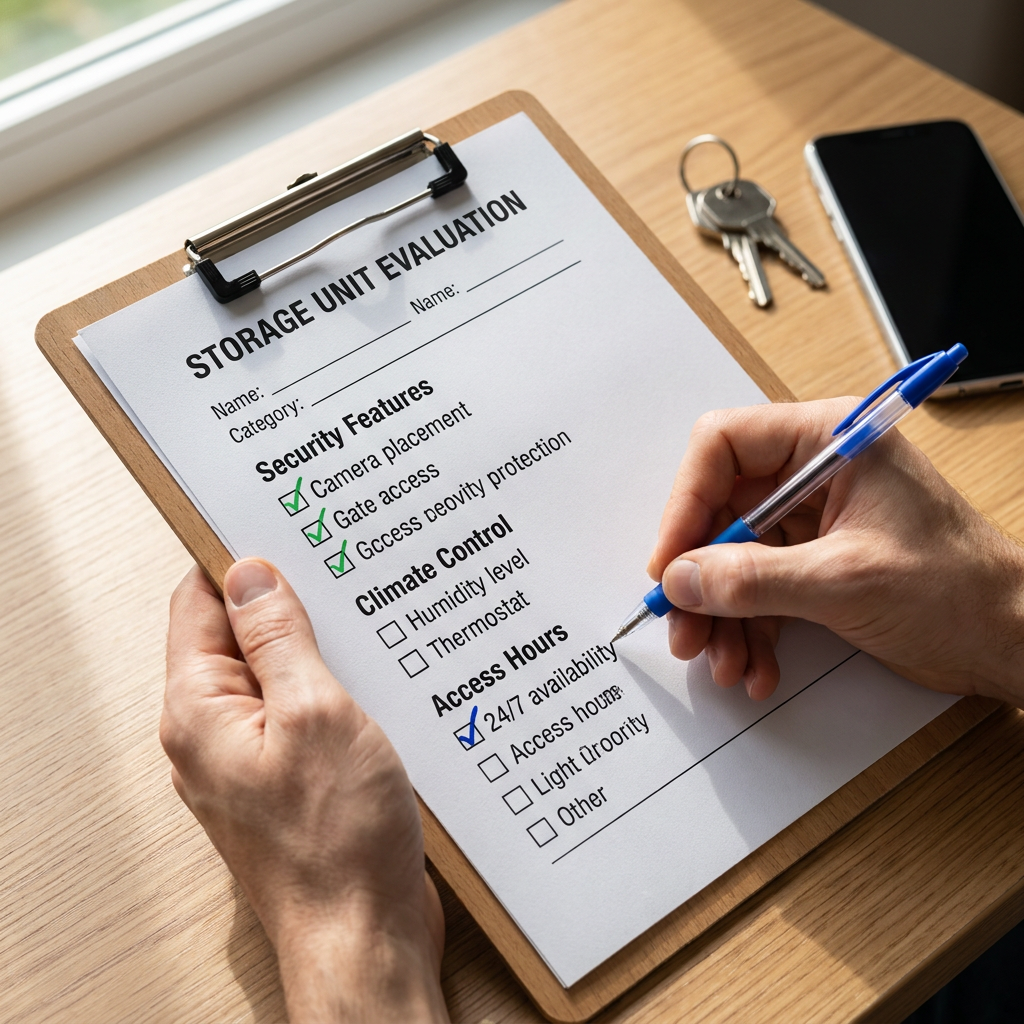
Print this list and bring it to each facility visit. Staff responses reveal management quality and operational standards.
- What is your average tenant stay duration? (Longer averages suggest satisfaction)
- How quickly do you respond to after-hours emergencies?
- When was the last pest control treatment?
- Can I see the actual unit I will rent, not a model?
- What happens if I need to change unit sizes?
- How much notice do I need to give before moving out?
- Are there any upcoming rate increases planned?
- What is your policy on accessing units during severe weather?
Hesitation or inability to answer these questions indicates poor training or management practices. Quality facilities like those serving the Parachute, Silt, New Castle, and Grand Junction communities train staff to address these concerns directly.
Red Flags That Should Disqualify a Facility
Walk away from any facility exhibiting these warning signs, regardless of price or convenience.
Visible security failures include broken cameras, damaged fencing, non-functional gate systems, or units with compromised locks. Maintenance neglect shows through peeling paint, overflowing dumpsters, standing water, and overgrown vegetation. Management issues appear as unanswered phones, unstaffed offices during business hours, or pressure tactics during sales conversations.
Contractual concerns include mandatory long-term commitments, excessive fees buried in fine print, or refusal to provide written quotes. Physical hazards such as inadequate lighting, uneven pavement, or missing fire extinguishers indicate broader safety problems. Trust your instincts; if something feels wrong during your visit, it likely is.
Frequently Asked Questions
What is an example of a facility inspection checklist?
A comprehensive facility inspection checklist includes 15 points across three categories: security (fencing, gates, cameras, lighting, locks), facility condition (unit interiors, doors, pest control, drainage, climate control), and business practices (pricing, leases, insurance, online tools, reviews). Each point requires visual inspection and specific questions to management. Download checklists from industry resources like the storage unit size guide to compare options systematically.
What to look for when choosing a storage facility?
Prioritize security features (24/7 surveillance, coded gate access, perimeter fencing), unit condition (clean, dry, pest-free with functional doors), and business practices (transparent pricing, flexible month-to-month leases, responsive management). Location matters for frequent access; facilities within 15 minutes of your home or workplace reduce the friction of retrieving items. Drive-up access eliminates the need for dollies and elevators, saving 30 to 45 minutes per visit.
What are the 4 D's of self storage?
The 4 D's represent the primary reasons people rent storage: Death (estate settlement), Divorce (splitting households), Dislocation (moves, job transfers, temporary housing), and Downsizing (moving to smaller spaces). Understanding your category helps determine appropriate unit size and lease duration. Temporary situations (death, divorce, dislocation) benefit from month-to-month flexibility, while downsizers should calculate whether long-term storage costs exceed the value of stored items.
How can you identify a good storage facility?
Good storage facilities demonstrate investment in security infrastructure, maintain clean and well-lit premises, offer flexible lease terms without excessive fees, provide responsive customer service, and earn positive reviews across multiple platforms. Visit in person during different times (day and evening) to verify conditions. The best facilities make the rental process simple, with locally owned and operated teams who answer questions directly rather than deflecting to corporate policies.
Making Your Final Decision
After inspecting multiple facilities using this 15-point checklist, create a comparison spreadsheet scoring each location on security (points 1 through 5), condition (points 6 through 10), and business practices (points 11 through 15). Weight categories based on your priorities; someone storing valuable electronics should prioritize security and climate control, while someone storing seasonal decorations might prioritize price and access convenience.
The lowest price rarely indicates the best value. Calculate total monthly cost including insurance and fees, then divide by your satisfaction score. This cost-per-point metric reveals which facility delivers the most value for your specific needs. Residents throughout the I-70 corridor from Glenwood Springs to Grand Junction have multiple options; taking time to compare ensures your belongings remain safe and accessible.
|