S elf storage facilities are secure rental properties where individuals and businesses store belongings in private units ranging from 25 to 300 square feet. Monthly costs typically run $34 for a 5x10 unit to $284 for a 10x20 space, with pricing varying by location, unit size, and features like climate control or drive-up access.
| Key Points: | |
|---|---|
| • | Three main facility types exist: traditional indoor, drive-up accessible, and climate-controlled units |
| • | A 10x10 storage unit costs $73 to $150 per month depending on location and amenities |
| • | Climate-controlled units maintain 55 to 80 degrees Fahrenheit, protecting sensitive items from damage |
| • | Security features to prioritize include 24/7 video surveillance, coded gate entry, and perimeter fencing |
| • | Month-to-month leases offer flexibility without long-term commitments or deposits |
What Is a Self Storage Facility?
A self storage facility is a commercial property divided into individual rental units where tenants store personal or business items. According to the Self Storage Association, the industry includes over 50,000 facilities across the United States, generating approximately $39.5 billion in annual revenue.
Unlike full-service storage where companies handle your belongings, self storage gives you direct access to your unit. You load, organize, and retrieve items on your own schedule. Most facilities provide carts, dollies, and wide aisles to simplify the moving process.
The self storage industry has grown 7.7% annually since 2015, driven by smaller living spaces, increased relocations, and businesses needing flexible inventory solutions. Facilities now serve everyone from college students storing summer belongings to contractors housing equipment and supplies.
The Three Main Types of Storage Facilities
Understanding facility types helps you match your storage needs to the right solution. Each type offers distinct advantages depending on what you store and how often you need access.
Traditional Indoor Storage
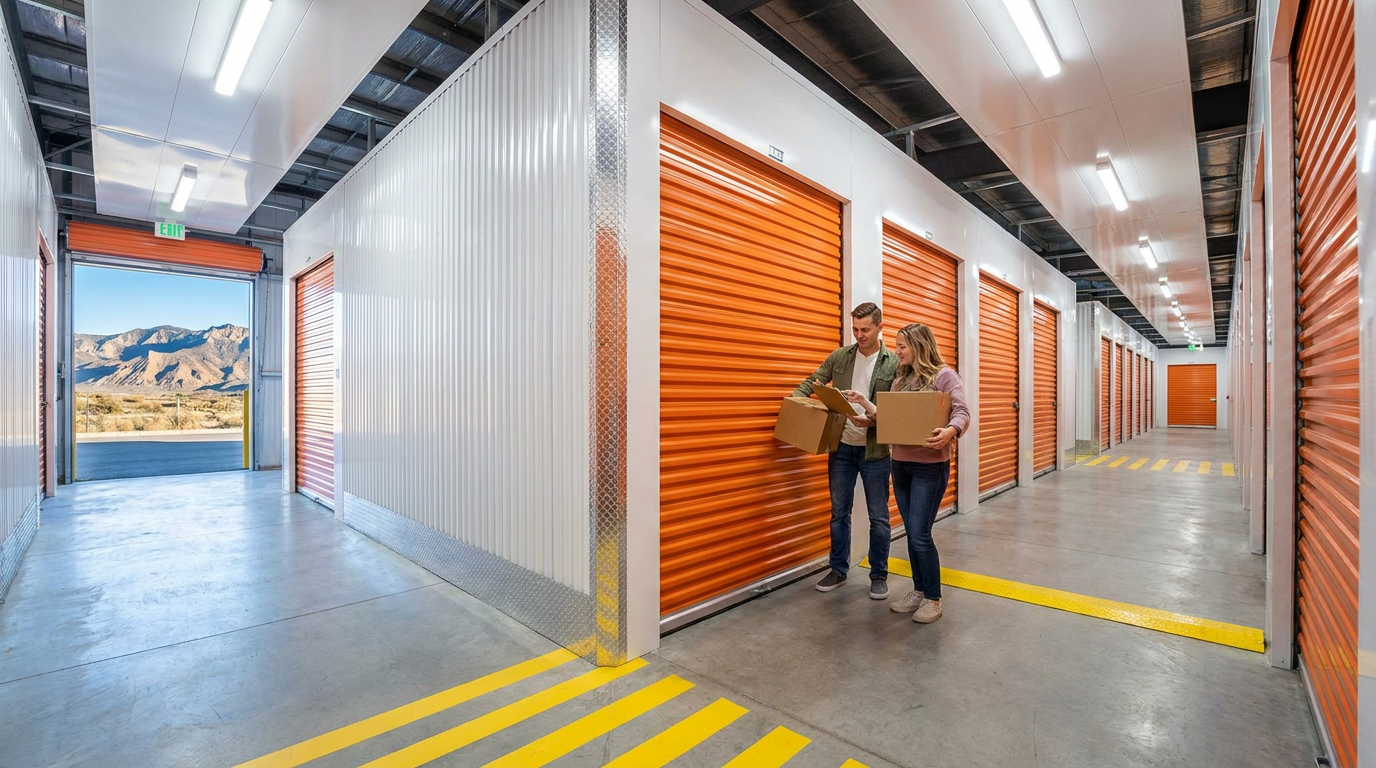
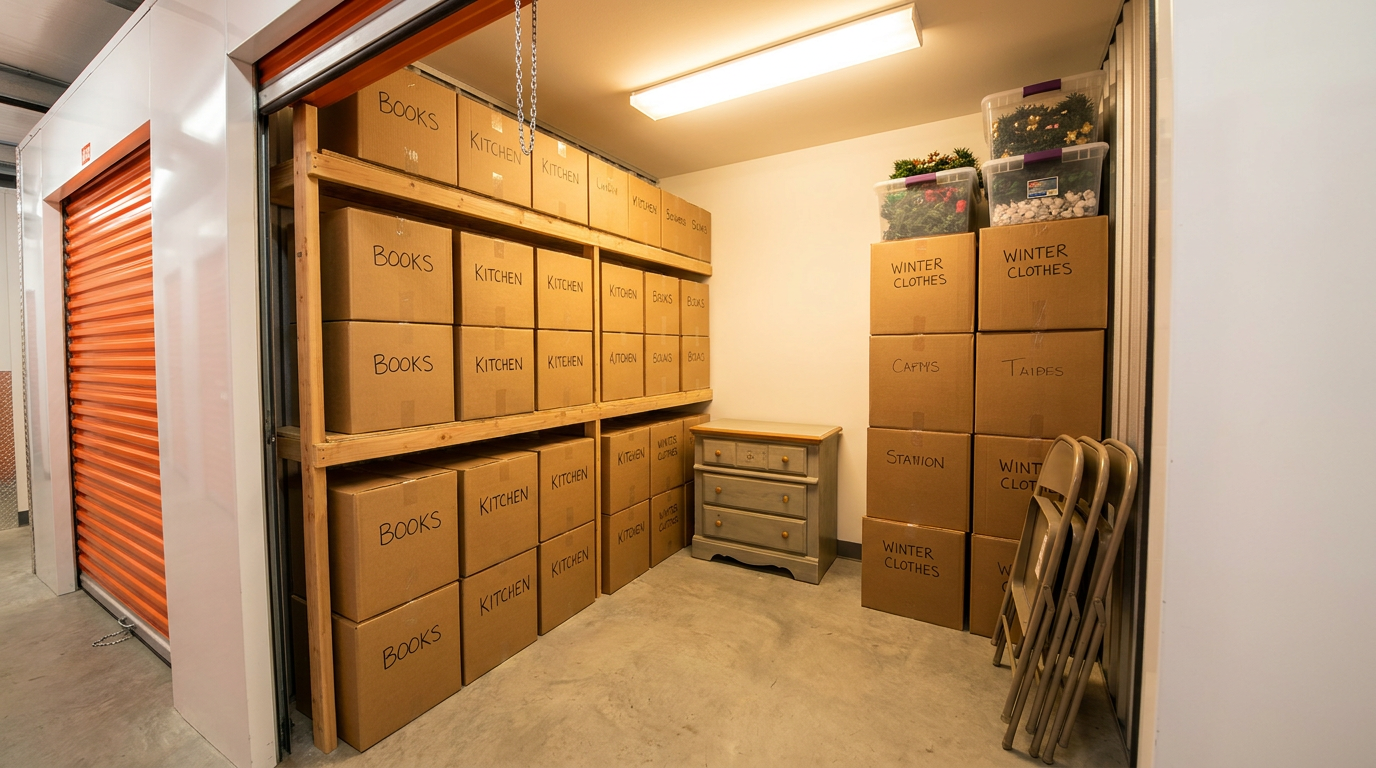
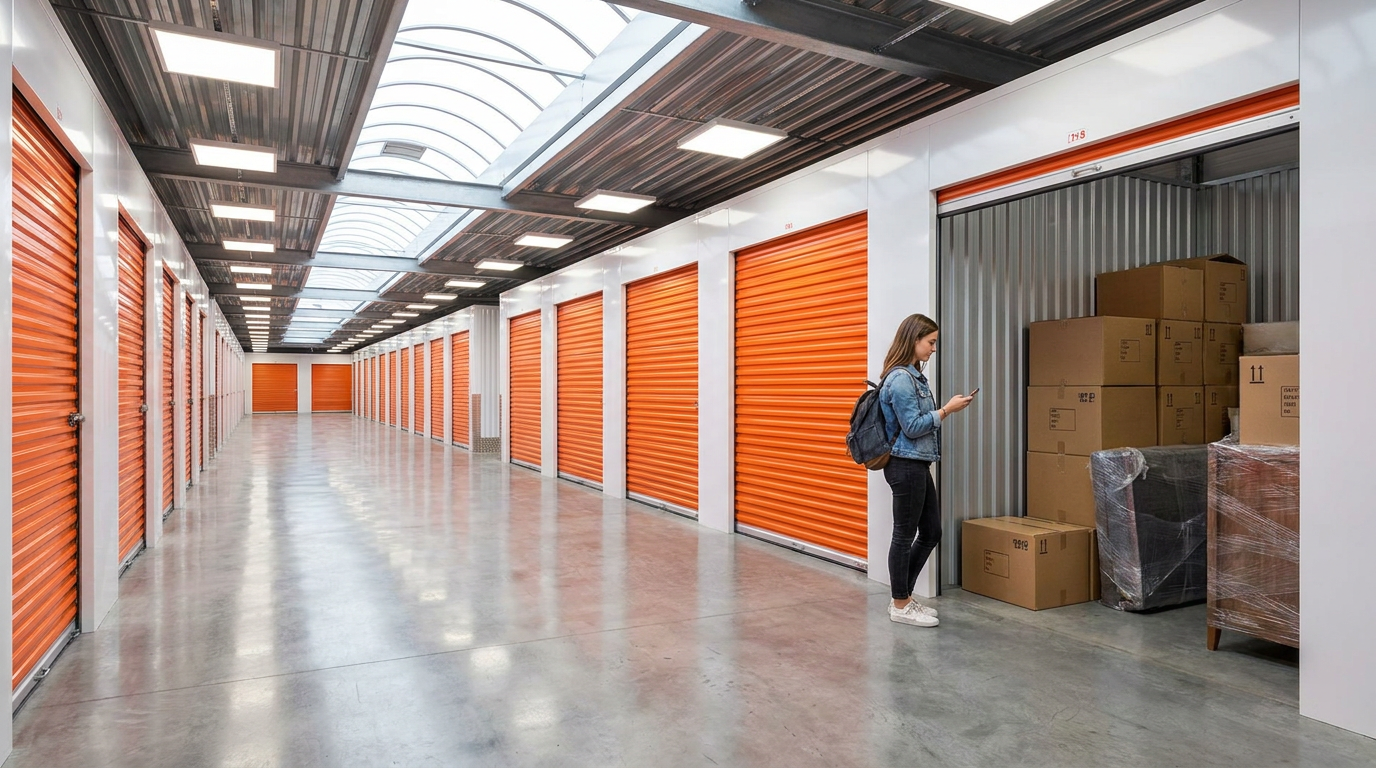
Indoor facilities house units within enclosed buildings, typically accessed through interior hallways. These facilities often feature multiple floors with elevator access. Indoor units provide protection from weather and outdoor elements but may require more time to load and unload.
Traditional indoor storage works well for households storing furniture, boxes, and personal items they access infrequently. Monthly rates for indoor units average 10 to 15% lower than climate-controlled options of the same size.
Drive-Up Access Storage
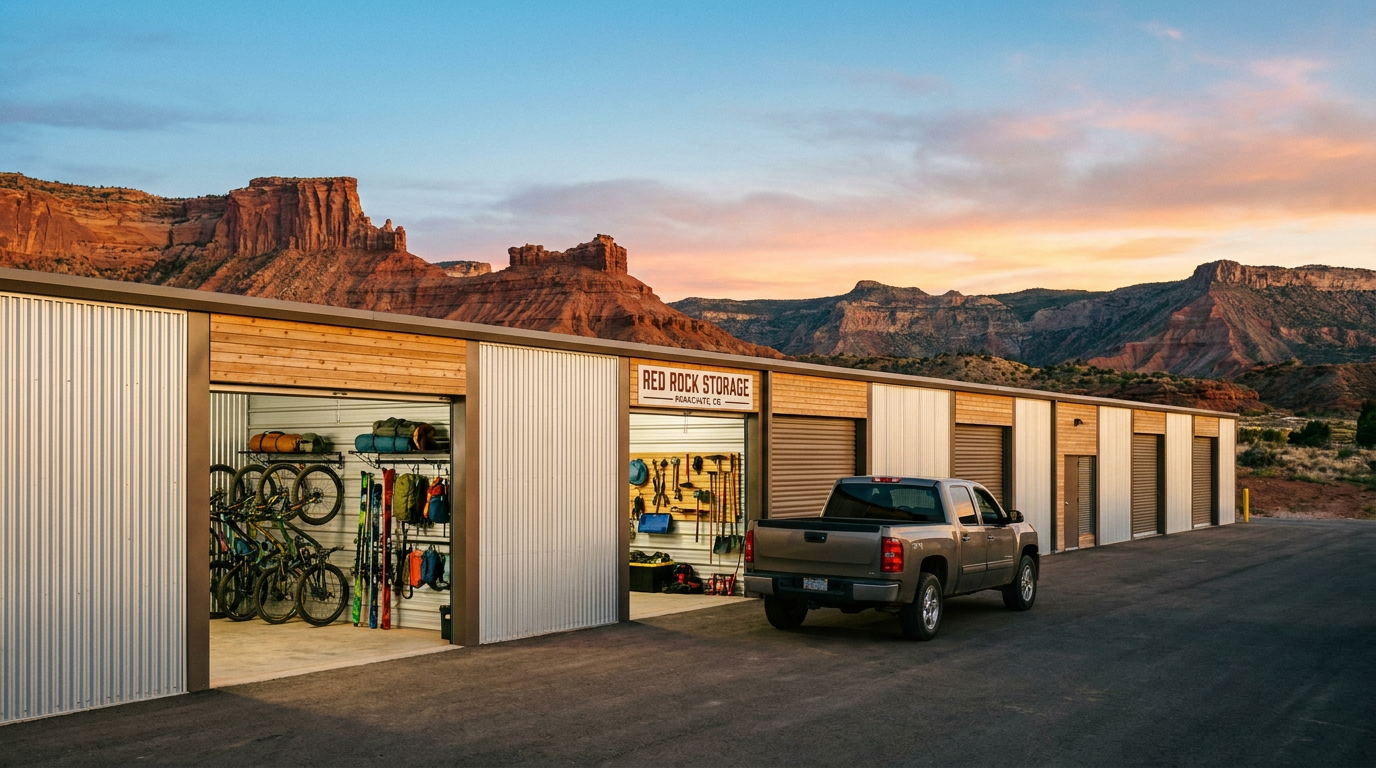
Drive-up units allow you to park your vehicle directly in front of your storage door, similar to a personal garage. This design eliminates the need to carry items through hallways or use elevators. Loading and unloading takes 40 to 60% less time compared to indoor units.
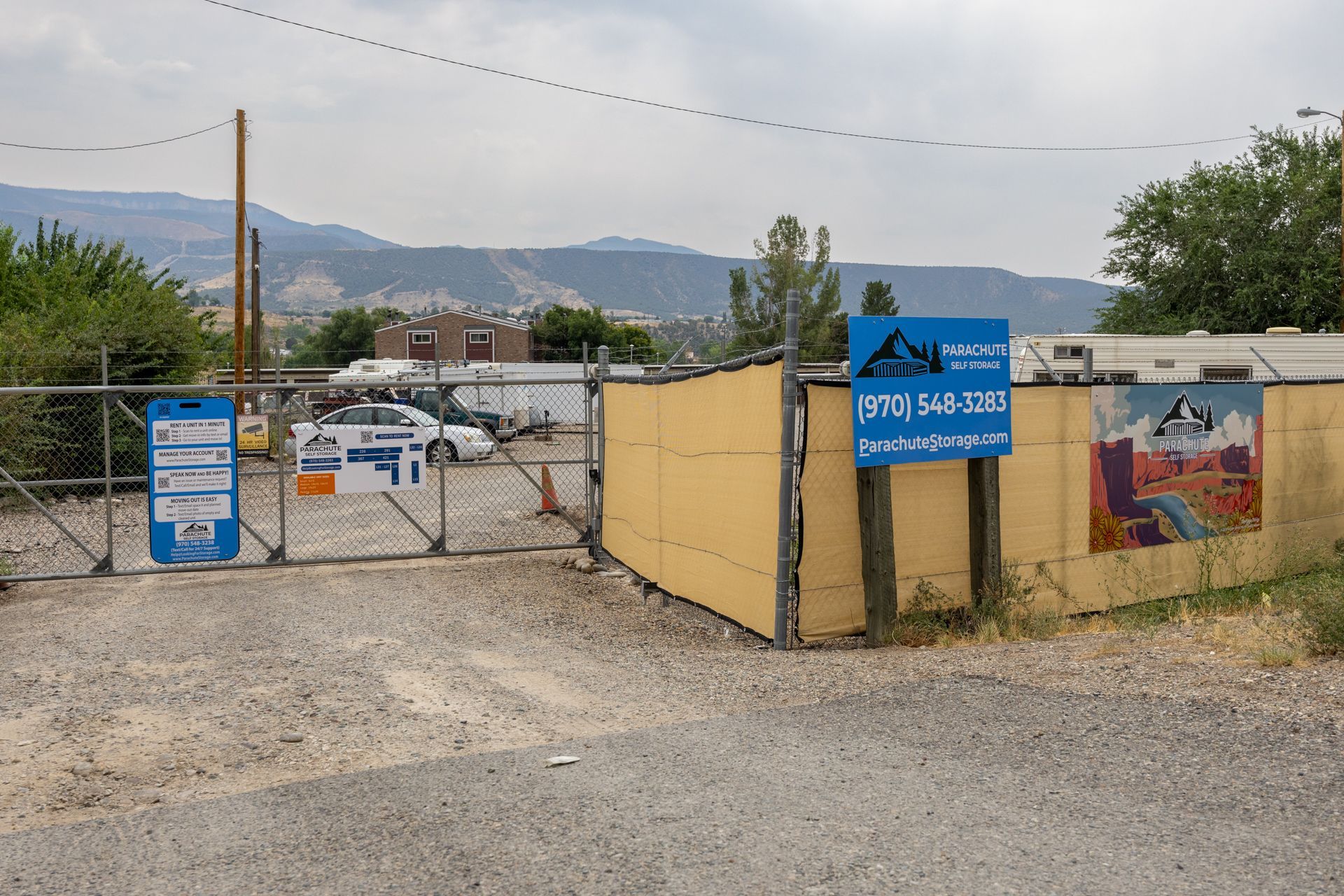
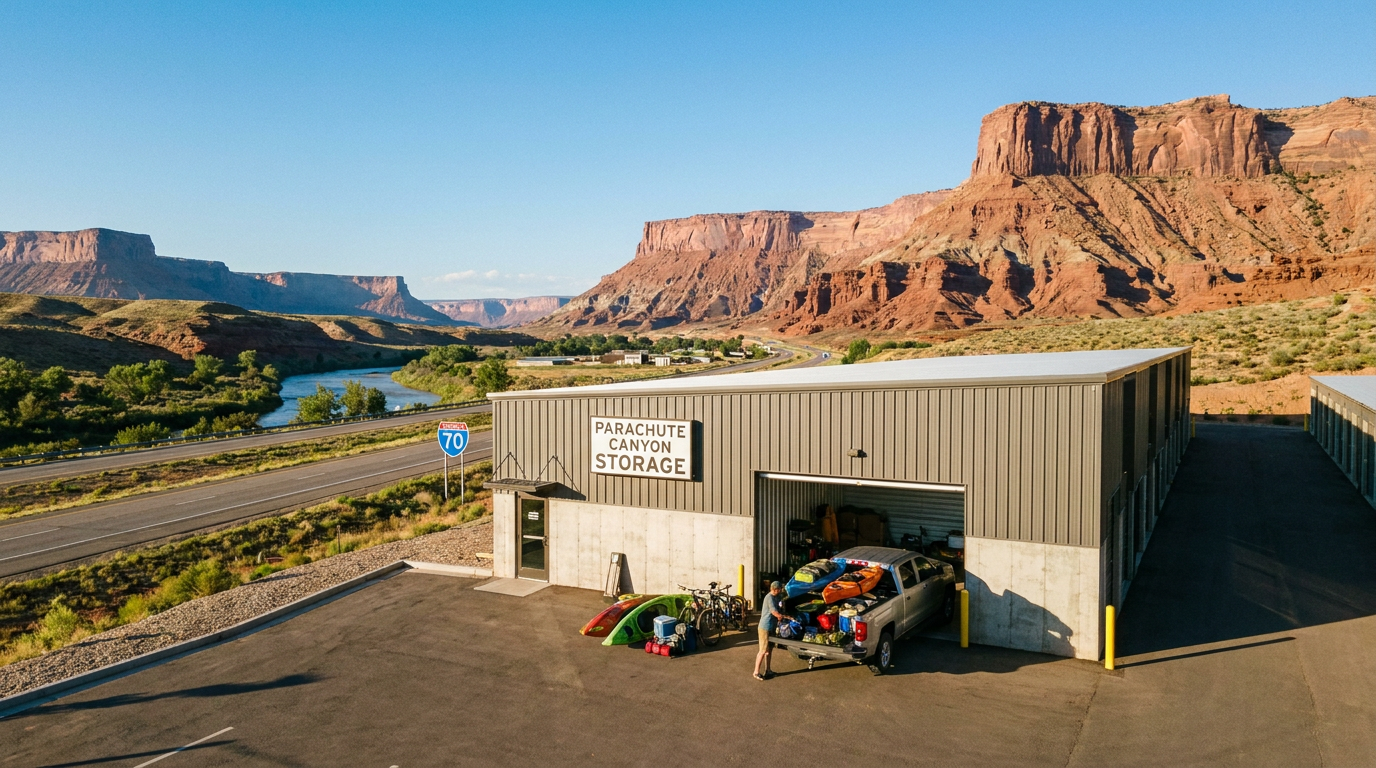
At Parachute Self Storage, all units feature drive-up access with wide aisles accommodating trucks and trailers. This configuration proves especially valuable for storing heavy items like furniture, appliances, or business inventory that requires frequent access.
Climate-Controlled Storage
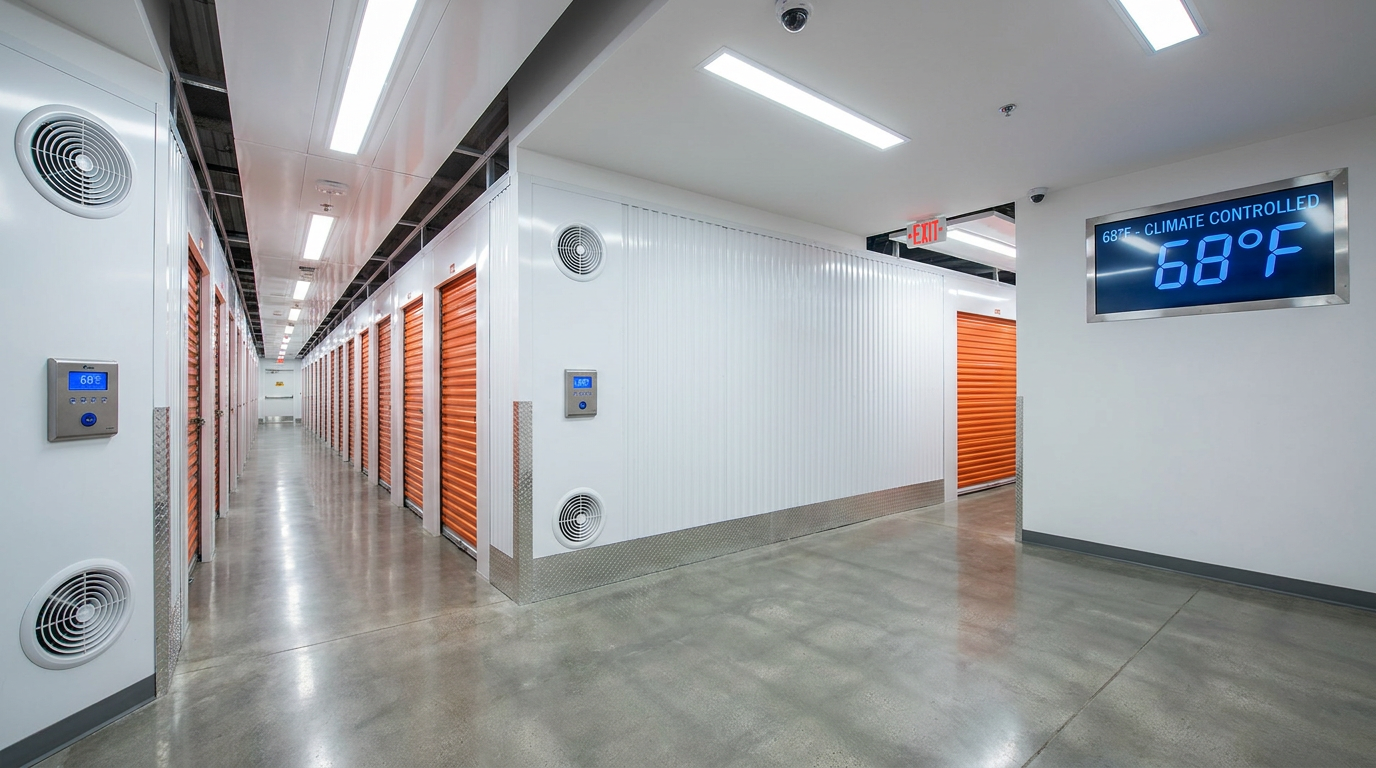
Climate-controlled units maintain temperatures between 55 and 80 degrees Fahrenheit with regulated humidity levels below 55%. These conditions protect sensitive items from extreme temperature swings, moisture damage, and humidity-related deterioration.
Items requiring climate control include wooden furniture, electronics, musical instruments, artwork, wine collections, leather goods, and important documents. According to Extra Space Storage, climate-controlled units cost 25 to 50% more than standard units but prevent thousands of dollars in potential damage to temperature-sensitive belongings.
Storage Unit Sizes and What Fits Inside
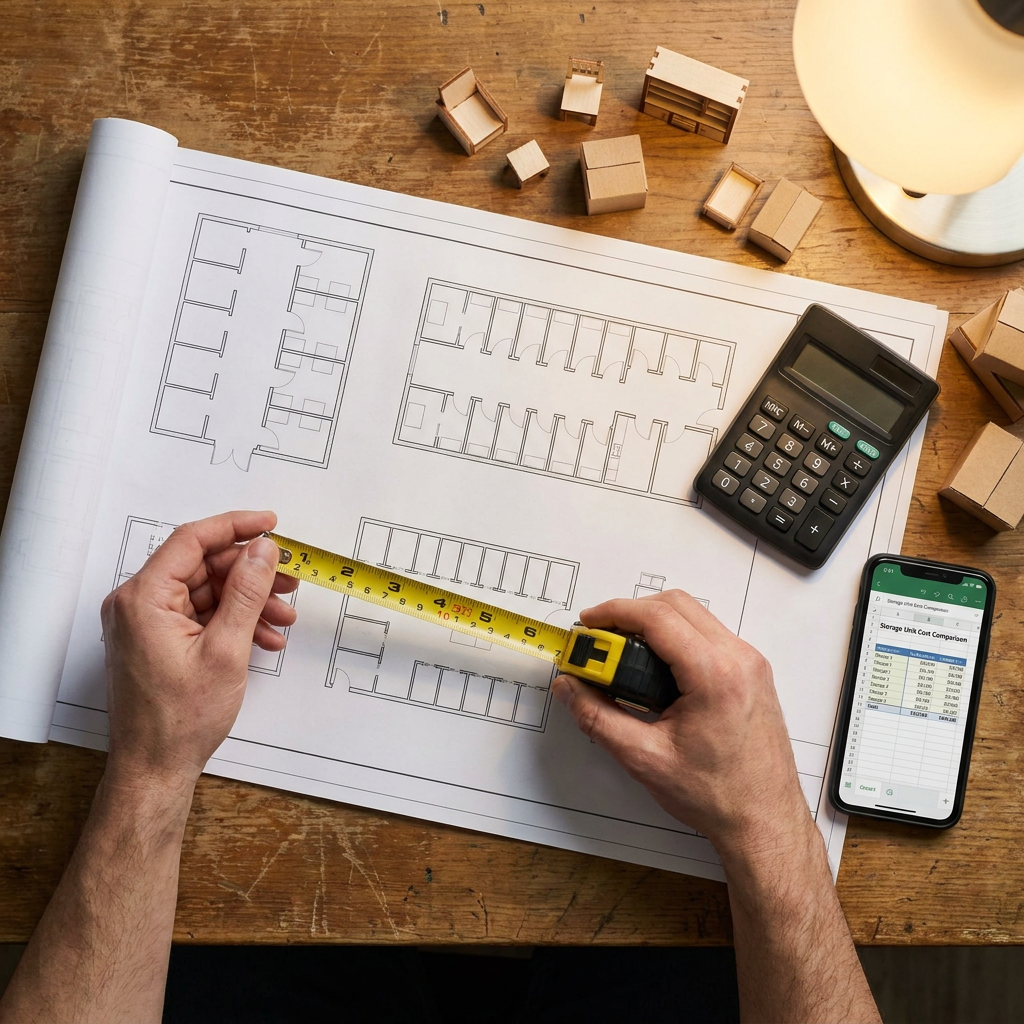
Selecting the correct unit size prevents paying for unused space while ensuring everything fits comfortably. The storage unit size guide provides detailed capacity information, but here are the most common options.
| Unit Size | Square Feet | Typical Contents | Monthly Cost Range |
|---|---|---|---|
| 5x10 | 50 sq ft | Small furniture, 10-15 boxes, seasonal items | $34 to $75 |
| 10x10 | 100 sq ft | One-bedroom apartment contents, appliances | $73 to $150 |
| 10x15 | 150 sq ft | Two-bedroom home, business inventory | $99 to $175 |
| 10x20 | 200 sq ft | Three-bedroom home, vehicles, large equipment | $150 to $284 |
Can a Car Fit in a 10x20 Storage Unit?
Yes, a 10x20 storage unit accommodates most standard vehicles including sedans, SUVs, and small trucks. The 200 cubic feet of floor space provides approximately 1,600 cubic feet of total storage volume with standard 8-foot ceilings. This leaves room around the vehicle for additional boxes or equipment.
For dedicated vehicle storage, outdoor parking spaces offer a more economical solution. Open parking spaces for cars, RVs, boats, and trailers typically cost $39 to $100 per month depending on the vehicle size and whether covered parking is available.
How Much Does a Storage Unit Cost Per Month?
Storage unit pricing depends on four primary factors: geographic location, unit size, facility features, and current demand. Urban areas like Denver or Grand Junction charge 30 to 50% more than rural communities for equivalent unit sizes.
According to SpareFoot marketplace data, the national average for a 10x10 non-climate-controlled unit is $94.28 per month. Climate-controlled units of the same size average $123.50 monthly. Promotional rates often reduce first-month costs by 40 to 50%.
Pricing Comparison by Unit Type
| Storage Type | 5x10 Unit | 10x10 Unit | 10x20 Unit |
|---|---|---|---|
| Standard Drive-Up | $34 to $60 | $73 to $120 | $150 to $284 |
| Climate-Controlled | $50 to $90 | $95 to $175 | $200 to $400 |
| Vehicle Parking | N/A | N/A | $39 to $150 |
Month-to-month leases provide flexibility without long-term commitments. Many facilities, including locally owned operations, waive security deposits entirely, reducing upfront costs. Online rental platforms allow you to compare prices across multiple facilities and complete reservations in under 60 seconds.
Essential Security Features to Look For
Security should rank among your top priorities when selecting a storage facility. The Self Storage Association reports that facilities with comprehensive security systems experience 89% fewer break-in attempts than those with minimal protection.
Must-Have Security Elements
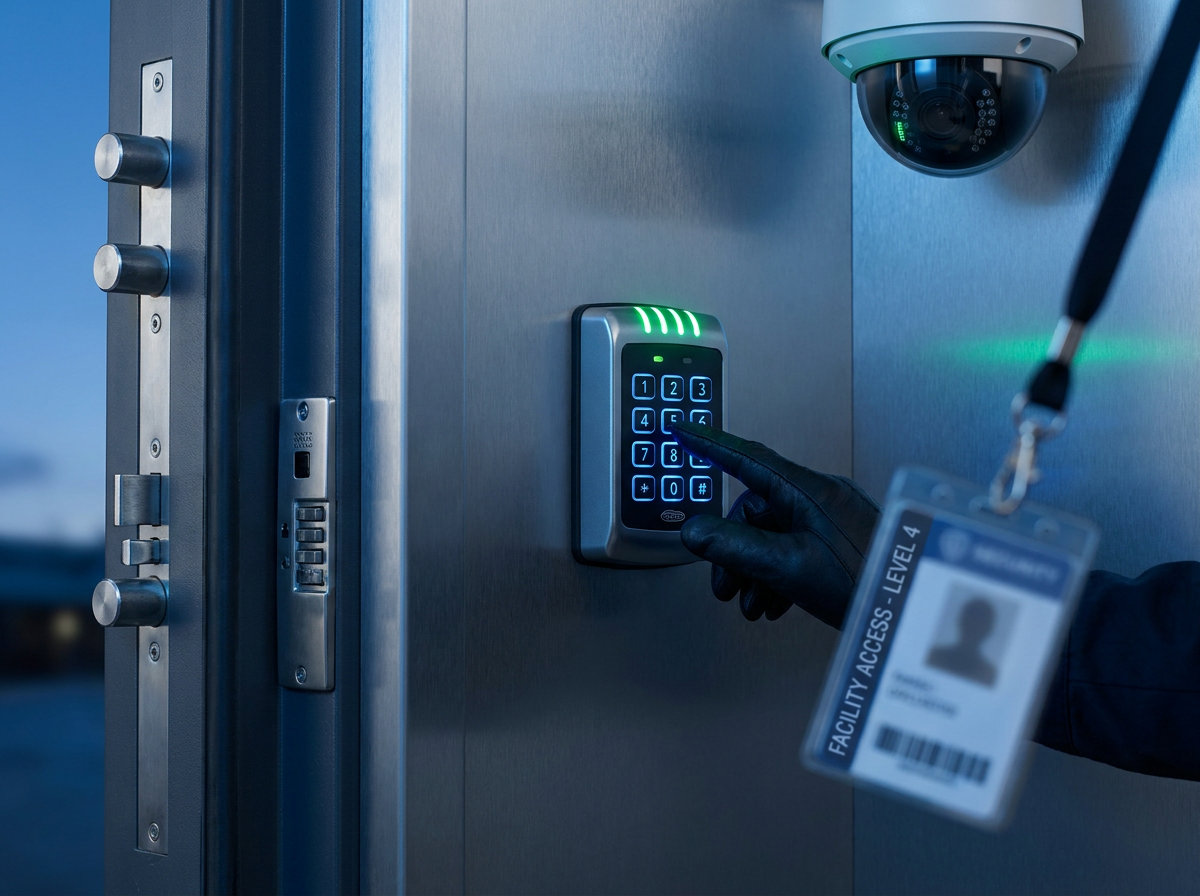
24/7 Video Surveillance: Modern facilities deploy high-definition cameras throughout the property, covering entry points, hallways, and individual unit areas. Recorded footage typically stores for 30 to 90 days, providing evidence if incidents occur.
Coded Gate Entry: Personal access codes create an electronic record of every entry and exit. This system limits access to current tenants only and tracks exactly who enters the facility and when. Advanced systems send alerts if codes are shared or used suspiciously.
Perimeter Fencing: Fully fenced facilities with 6 to 8-foot barriers deter unauthorized access. Combined with adequate lighting, fencing creates multiple security layers that discourage theft attempts.
The security features at Parachute Self Storage include all three elements: 24/7 video surveillance, coded gate entry, and complete perimeter fencing. These measures protect belongings for residents throughout Parachute, Battlement Mesa, Rifle, Silt, and New Castle.
Can You Sleep in a Self Storage Unit?
No, sleeping or living in a self storage unit is illegal and violates rental agreements at every legitimate facility. Building codes classify storage units as commercial space, not residential occupancy. Units lack ventilation systems, plumbing, emergency exits, and fire safety features required for habitation.
Facilities actively monitor for signs of habitation and will terminate leases immediately upon discovery. Beyond legal issues, sleeping in storage units poses serious health and safety risks including carbon monoxide exposure, fire hazards, and inadequate air circulation.
RV, Boat, and Vehicle Storage Options
Recreational vehicles, boats, and seasonal vehicles require dedicated storage solutions. Standard enclosed units rarely accommodate these larger items, making outdoor parking or oversized units necessary.
Open parking spaces provide the most economical option at $39 to $75 monthly for standard vehicles. These spaces work well in mild climates but expose vehicles to weather elements. Covered parking adds roof protection for $75 to $150 monthly, shielding vehicles from sun damage and precipitation.
Before storing RVs or boats, drain water systems to prevent freezing damage, disconnect batteries, and cover tires to prevent UV deterioration. The storage tips blog offers detailed preparation guides for seasonal vehicle storage.
How to Choose the Right Storage Facility
Selecting a storage facility involves evaluating location, features, pricing, and reputation. The best facility balances convenience with security and value. Consider these factors before signing any rental agreement.
Location and Access
Choose a facility within 15 to 20 minutes of your home or business for convenient access. Facilities near major highways, like those along the I-70 corridor in Colorado, simplify loading trips and reduce travel time. Verify access hours match your schedule, as 24/7 access provides maximum flexibility.
Facility Reputation
Research online reviews across Google, Yelp, and Facebook before committing. Look for consistent feedback about cleanliness, security, and customer service. Locally owned facilities often provide more personalized attention than large corporate chains, with managers who know tenants by name.
Lease Terms and Fees
Read rental agreements carefully for hidden fees including administration charges, mandatory insurance requirements, and rate increase policies. Month-to-month leases without deposits offer the most flexibility. Confirm the move-out process and any required notice periods.
Visit the frequently asked questions page to understand common rental terms, payment options, and move-in procedures before reserving your unit.
Frequently Asked Questions About Self Storage
Who Has the Cheapest Storage Facility?
Pricing varies significantly by location, but locally owned facilities often undercut national chains by 15 to 25%. U-Haul, Public Storage, and Extra Space Storage compete on promotional pricing, but standard rates after the first month frequently exceed local alternatives. Compare at least three facilities in your area before deciding.
What Is the Meaning of Self Storage Facility?
A self storage facility is a commercial property providing individual rental units where tenants store personal or business belongings. The term "self" indicates that tenants manage their own items rather than having staff handle belongings. Facilities provide the secure space while tenants control access, organization, and retrieval.
What Are the Three Main Types of Storage Facilities?
The three main types are traditional indoor storage with hallway access, drive-up accessible units allowing vehicle loading at the door, and climate-controlled units maintaining regulated temperature and humidity. Some facilities combine multiple types, offering climate-controlled drive-up units or indoor vehicle storage.
How Do I Pay for My Storage Unit?
Most facilities accept multiple payment methods including credit cards, debit cards, ACH bank transfers, and cash. Online payment portals allow 24/7 account management without visiting the facility. Setting up autopay ensures you never miss a payment and often qualifies for small discounts.
What Items Cannot Be Stored in a Storage Unit?
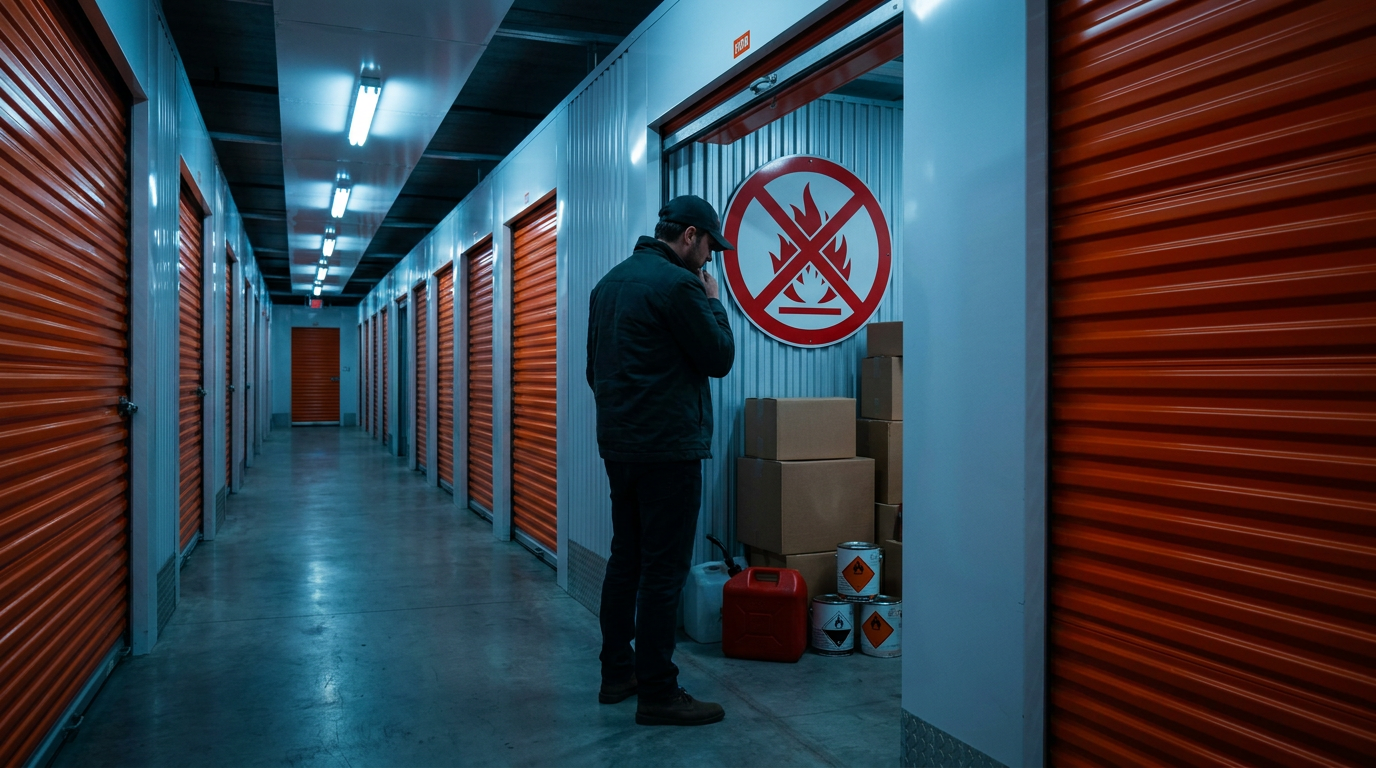
Prohibited items include hazardous materials, flammable liquids, explosives, perishable food, live animals, illegal goods, and stolen property. Most facilities also prohibit firearms and ammunition without proper documentation. Review your rental agreement for the complete list of restricted items.
|