Moving to Parachute: Storage Checklist for a Cleaner Move |
| MOVING TO PARACHUTE: STORAGE CHECKLIST FOR A CLEANER MOVE
⏱ 10 min read ·
📄 #1,806 words
Plan a cleaner move to Parachute, CO with this storage checklist. Room-by-room cleaning tasks, packing tips, and storage solutions for stress-free relocation.
|
A cleaner move to Parachute requires completing cleaning tasks room by room before packing, staging items for storage in a logical sequence, and using a self storage unit to create breathing room during the transition. Most relocations along the I-70 corridor take 2 to 4 weeks when you follow a structured checklist that separates cleaning from packing from loading.

| Key Points: | |
|---|---|
| • | Start cleaning 2 to 3 weeks before moving day, tackling one room every 2 to 3 days |
| • | Rent a storage unit 1 week early to stage packed boxes and reduce moving day chaos |
| • | The most forgotten items when moving include cleaning supplies, phone chargers, and medications |
| • | Apply the 20-10 rule: clean for 20 minutes, rest for 10, to prevent burnout |
| • | Drive-up storage units allow you to load at your own pace with 24/7 access |
Why Parachute Residents Need a Storage-First Moving Strategy
Moving within or to Parachute, Battlement Mesa, Rifle, or other communities along Colorado's Western Slope presents unique challenges. Elevation changes, unpredictable weather between March and May, and limited local moving company availability mean you need flexibility. A storage unit gives you that buffer.
According to the Extra Space Storage moving guide, 67% of people who use storage during a move report lower stress levels than those who attempt a single-day transition. Staging belongings in a nearby facility lets you clean your old home thoroughly, which is essential for recovering security deposits or preparing a home for sale.
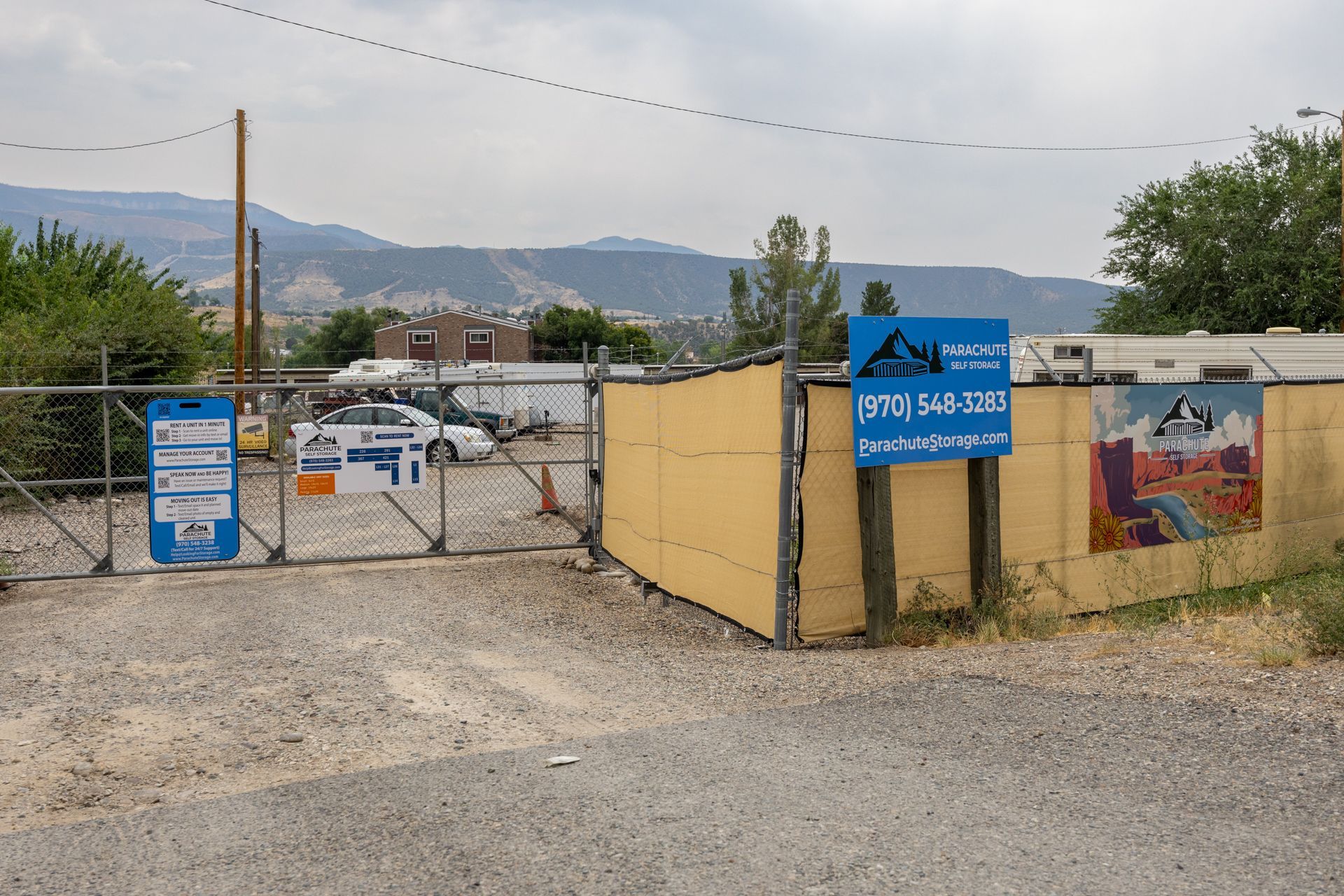
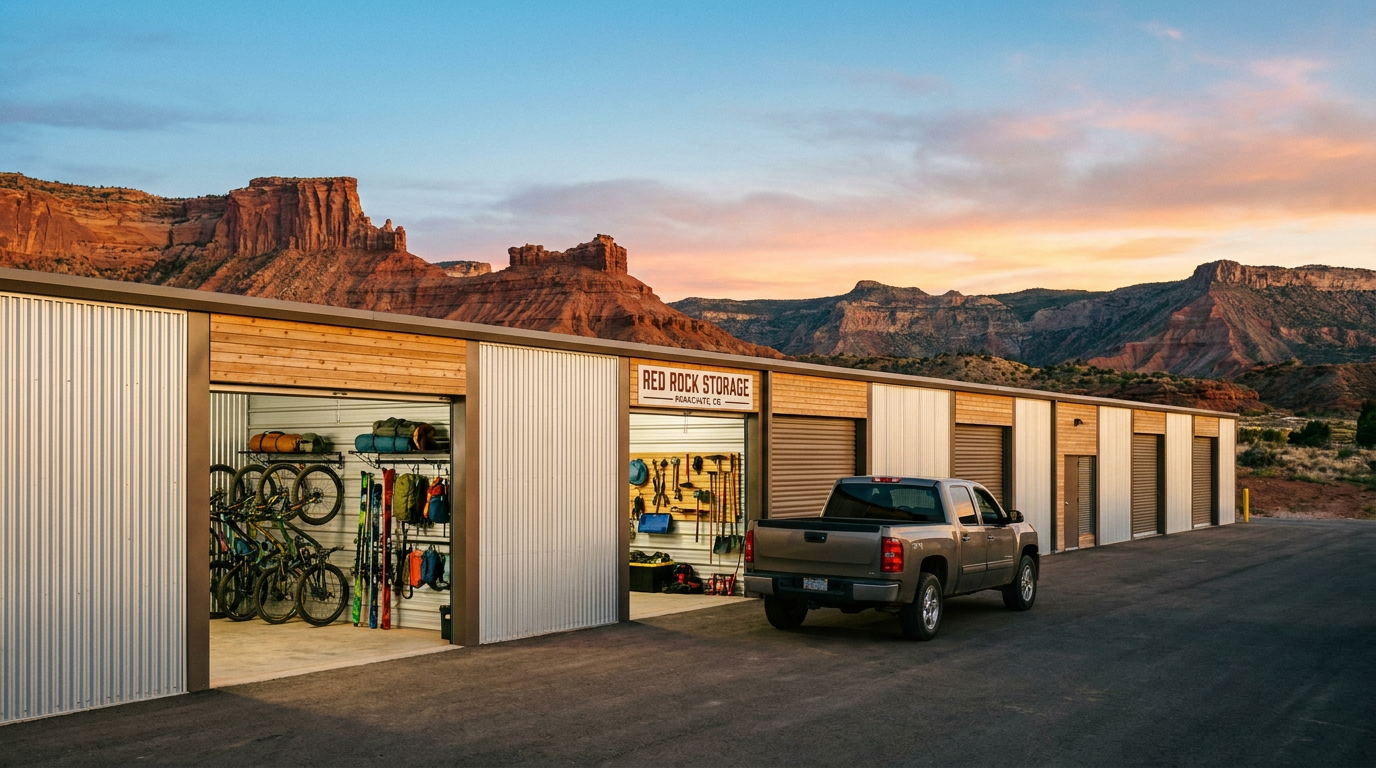
Parachute Self Storage, located just off I-70 Exit 75, offers month-to-month leases starting at $55 per month for a 5x10 unit. This means you can rent for just the 2 to 4 weeks you need without long-term commitments.
The 20-10 Rule in Cleaning Explained
The 20-10 rule, popularized by the Unfuck Your Habitat cleaning method, structures cleaning into manageable intervals: 20 minutes of focused work followed by 10 minutes of rest. This approach prevents the exhaustion that derails most moving cleanouts.
During a move, apply the 20-10 rule to each room. Set a timer for 20 minutes and focus exclusively on one task, such as wiping down kitchen cabinets. When the timer sounds, take a 10-minute break. Most rooms require 3 to 4 cycles (about 90 minutes total) to complete.
The 20-minute rule is a variation where you commit to cleaning for exactly 20 minutes daily, regardless of how much remains. Research from the American Cleaning Institute shows that consistent 20-minute sessions accomplish more over a week than sporadic 3-hour marathons.
Complete Room-by-Room Cleaning Checklist for Moving Out
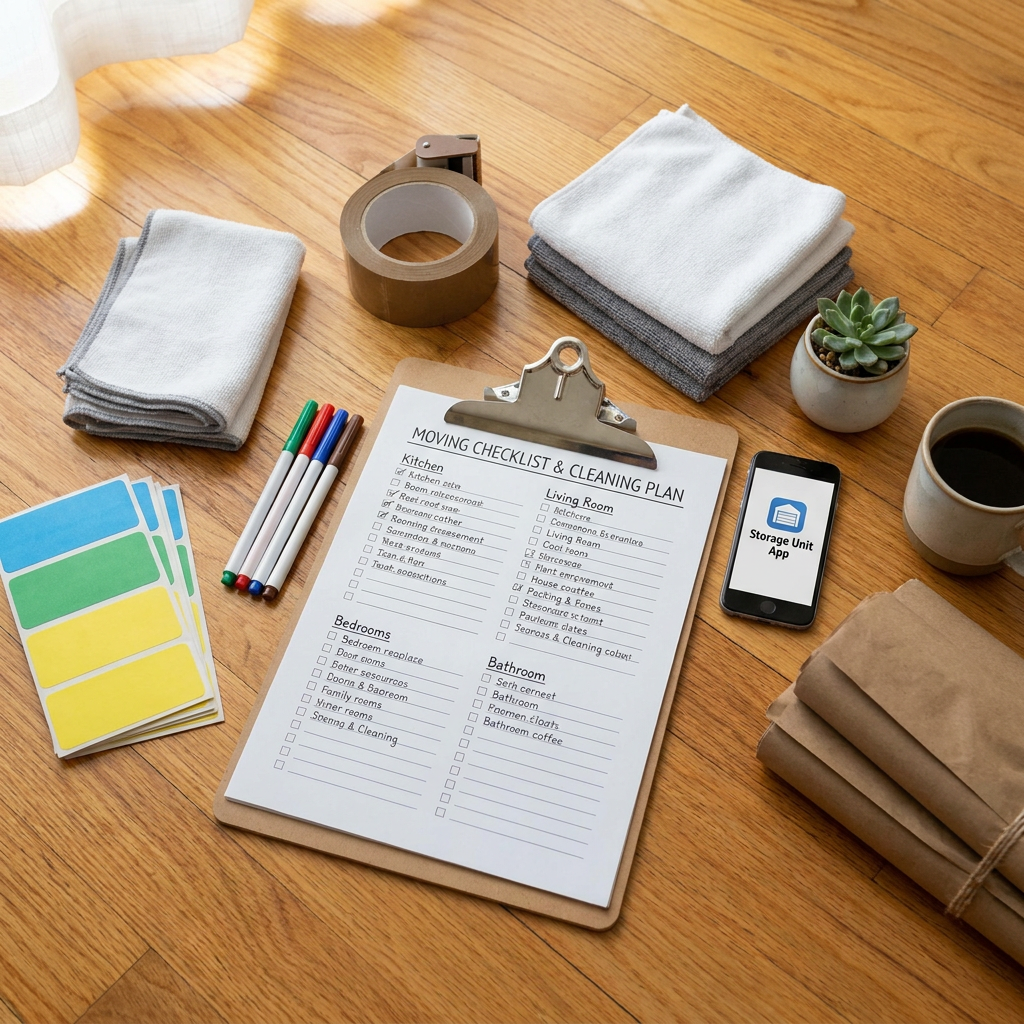
This checklist covers every room tenants and homeowners must address before handing over keys. Print this list or save it to your phone for reference during your move.
Kitchen Cleaning Tasks
Kitchens take the longest to clean, typically 2 to 3 hours. Start here first, ideally 5 to 7 days before moving day.
- Empty refrigerator and freezer; defrost freezer 24 hours before moving
- Pull refrigerator away from wall; vacuum coils and mop floor beneath
- Clean inside oven, including racks (use oven cleaner overnight for best results)
- Degrease range hood and filter with dish soap and baking soda paste
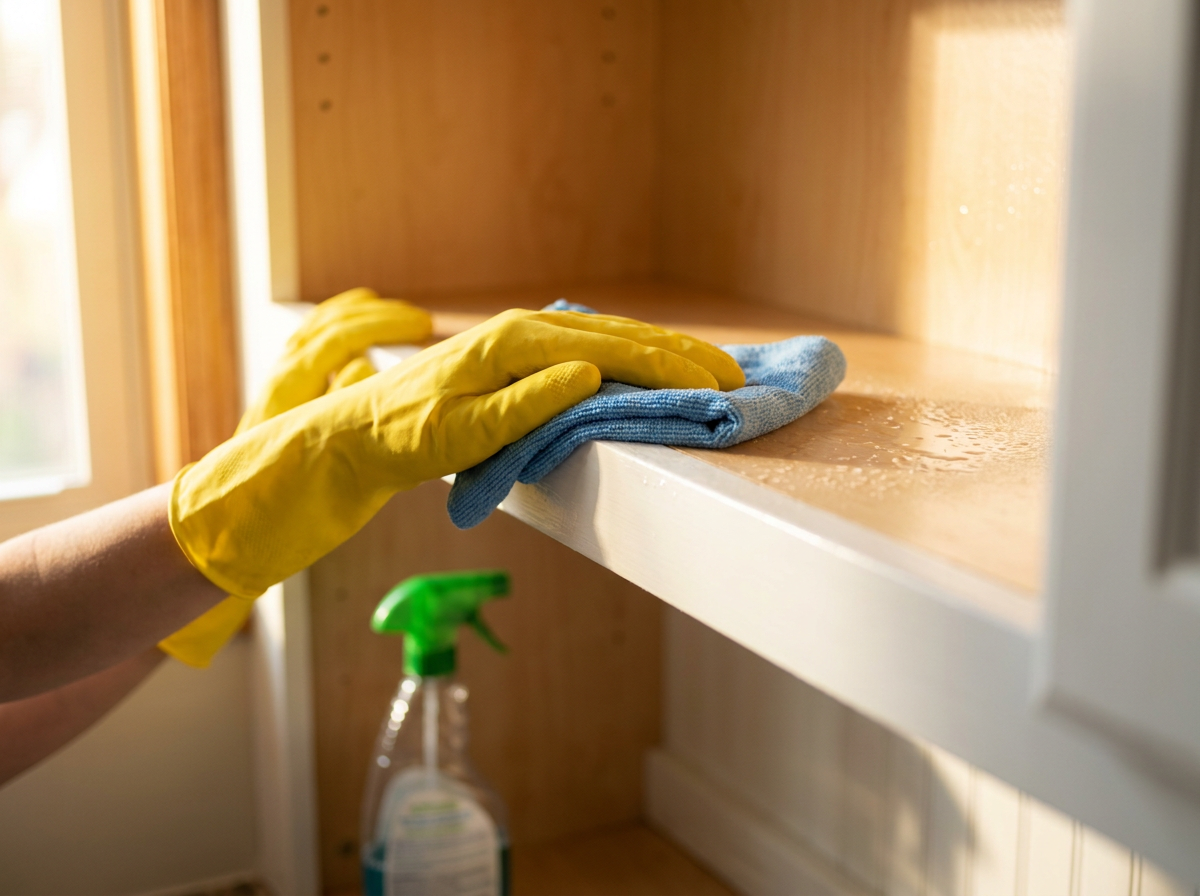
- Wipe down all cabinet interiors and exteriors
- Clean dishwasher interior, including filter and spray arms
- Scrub sink and polish fixtures; run garbage disposal with ice and lemon
- Wipe countertops, backsplash, and small appliance surfaces
Bathroom Cleaning Tasks
Each bathroom requires 45 minutes to 1 hour. Complete these tasks 2 to 3 days before moving.
- Scrub toilet bowl, base, and behind tank
- Clean shower walls, tub, and glass doors with mildew remover
- Clear drain clogs using a drain snake or enzyme cleaner
- Wipe vanity, mirror, and light fixtures
- Empty medicine cabinet; wipe shelves
- Wash bathroom exhaust fan cover
Bedroom and Living Area Tasks
Bedrooms and living rooms take 30 to 45 minutes each once furniture is removed.
- Dust ceiling fans, light fixtures, and vents
- Wipe window sills and tracks; clean window glass inside
- Clean closet shelves, rods, and floors
- Patch small nail holes with spackle; sand smooth after drying
- Vacuum carpet or mop hard floors; steam clean if required by lease
- Wipe baseboards and door frames
Garage and Outdoor Areas
Garages require 1 to 2 hours depending on size and condition.
- Sweep floors and remove oil stains with cat litter or degreaser
- Wipe down shelving and workbenches
- Test garage door opener; replace batteries if needed
- Clear cobwebs from corners and rafters
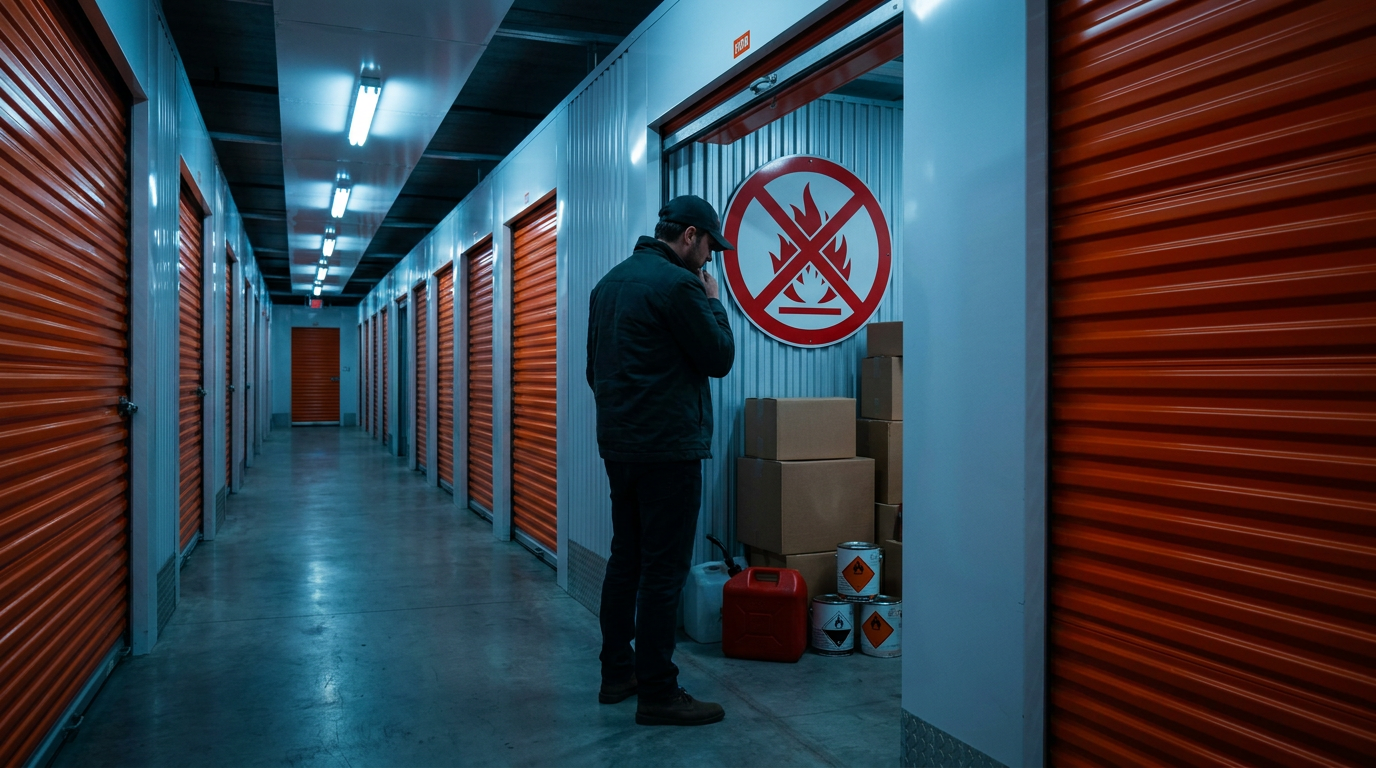
- Remove all trash, recycling, and hazardous materials
Storage Checklist: What to Move to Your Unit First
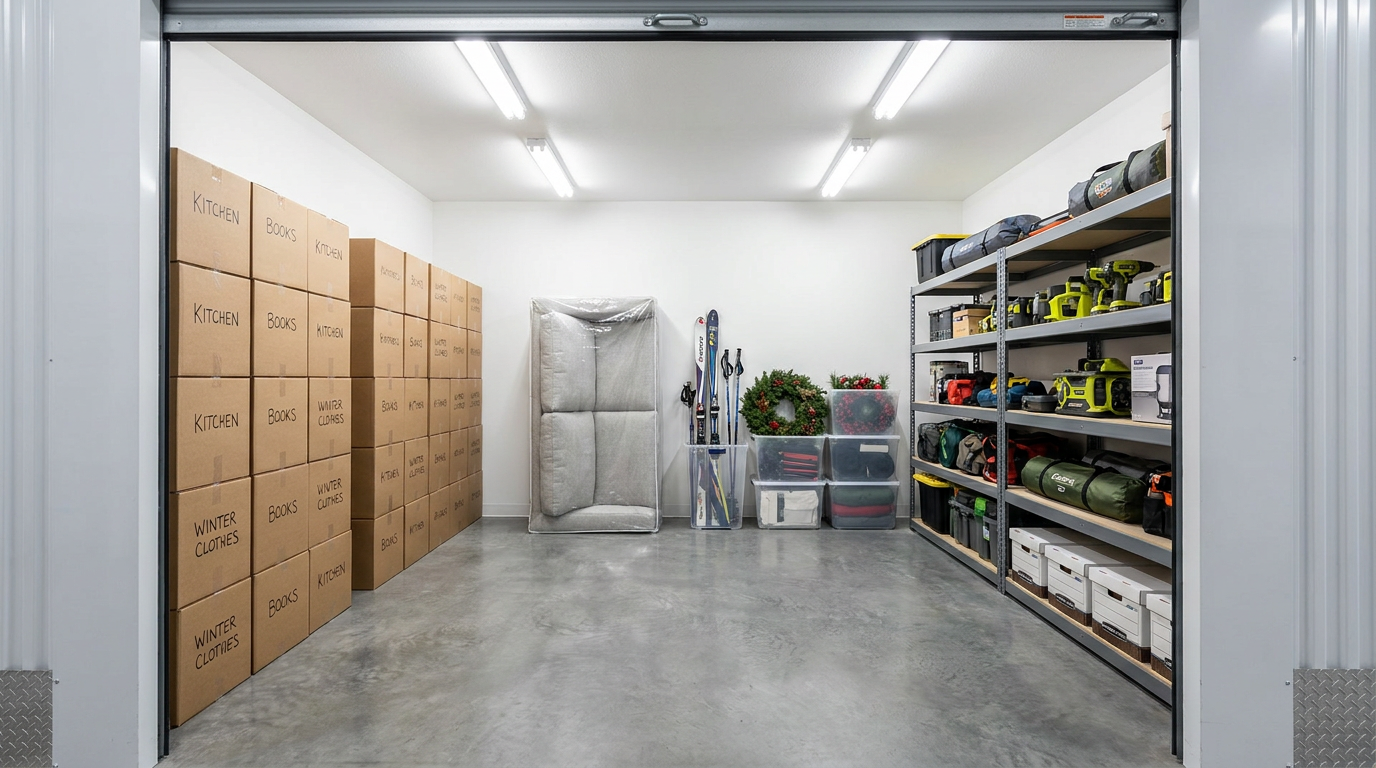
Moving items to storage in the right sequence makes both cleaning and final moving day easier. Follow this priority order when staging belongings at your storage unit.
| Priority | Items | When to Move |
|---|---|---|
| 1 | Seasonal items, holiday decorations, off-season clothing | 2 to 3 weeks before |
| 2 | Books, media, collectibles, artwork | 2 weeks before |
| 3 | Guest room furniture, extra linens | 10 days before |
| 4 | Garage tools, sporting equipment, outdoor gear | 1 week before |
| 5 | Non-essential kitchen items, small appliances | 5 days before |
| 6 | Essential furniture, daily-use items | Moving day |
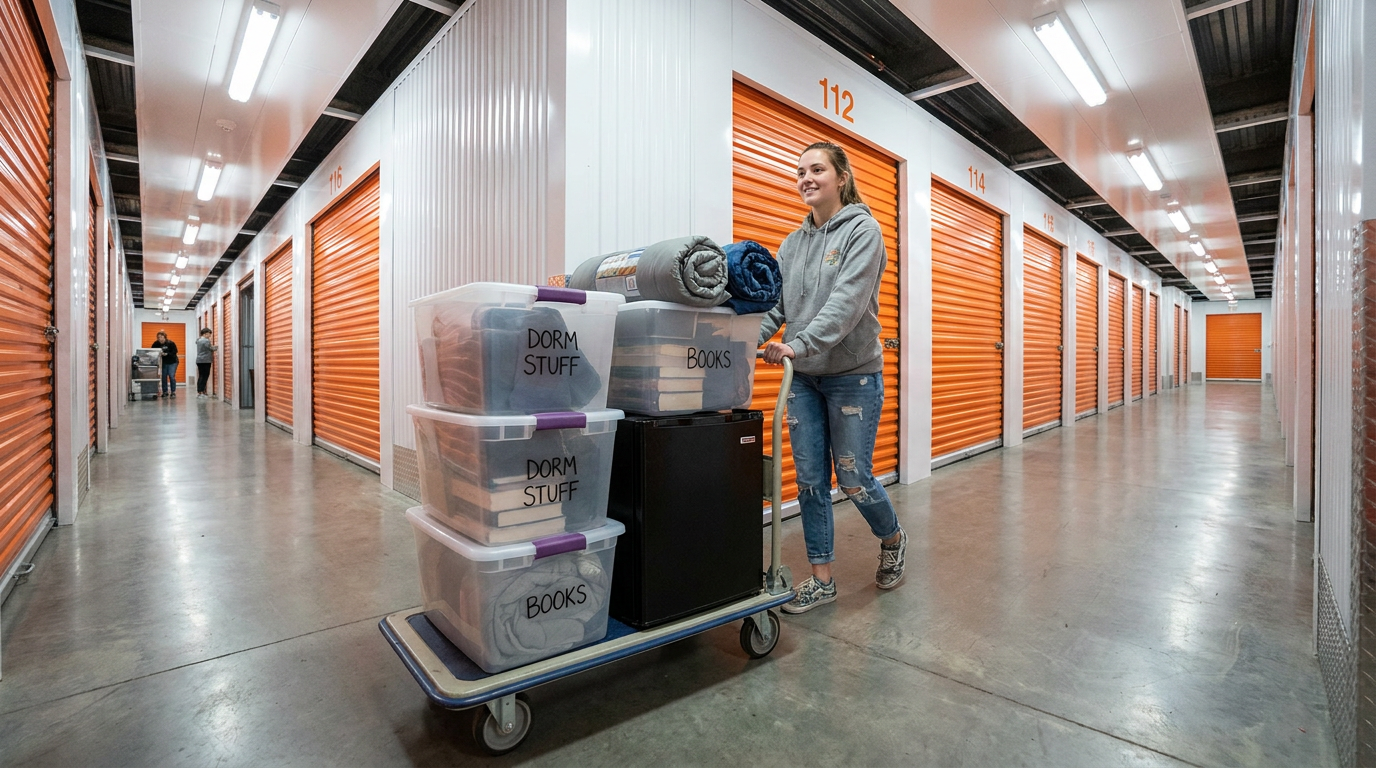
Drive-up storage units at Parachute Self Storage allow you to pull your vehicle directly to the unit door. This eliminates the need for dollies or long walks through hallways, cutting load times by 30% to 50% compared to interior-access facilities.
The Most Forgotten Items When Moving
According to Constellation Energy's moving research, certain items get left behind in nearly every move. Check these locations before your final walkthrough.
Top 10 most forgotten items:
- Phone chargers and electronics cables
- Medications and vitamins from medicine cabinets
- Cleaning supplies (ironically, needed until the last moment)
- Items in attic or crawl spaces
- Wall-mounted items: curtain rods, towel bars, shower heads
- Garage door openers and spare keys
- Items inside appliances (oven mitts in ovens, items in dishwashers)
- Outdoor hoses, planters, and garden tools
- Items in storage closets or utility rooms
- Mailbox keys and community access fobs
Create a "last out" box containing these essentials. Keep it with you rather than loading it on the truck. This box should also include toilet paper, paper towels, basic tools, snacks, and water for moving day.
Choosing the Right Storage Unit Size for Your Move
Selecting the correct unit size prevents paying for unused space or cramming belongings into too-small quarters. Use this guide based on home size and storage duration.
| Unit Size | Best For | Monthly Cost |
|---|---|---|
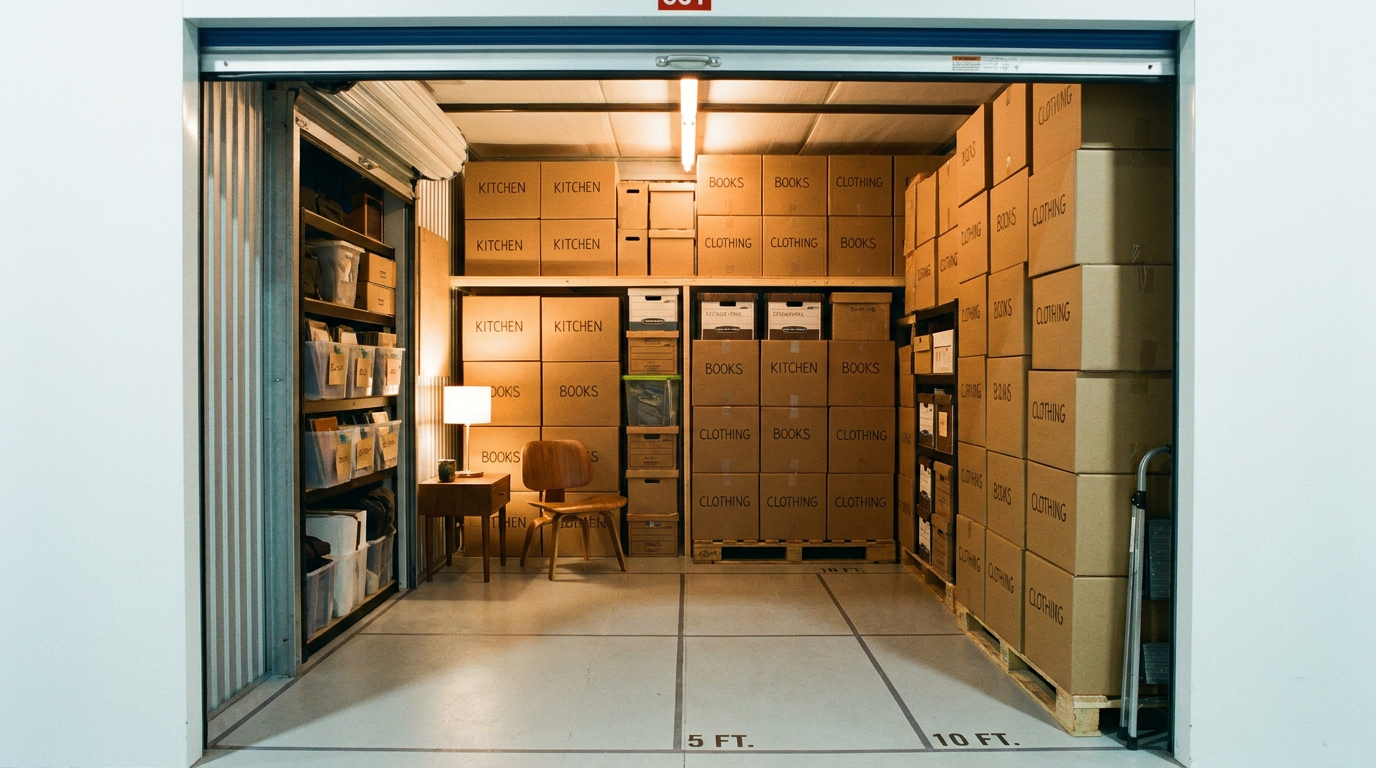
| 5x10 | Studio or 1-bedroom staging; boxes and small furniture | $55 |
| 10x10 | 1 to 2 bedroom home contents; equivalent to half a garage | $115 |
| 10x15 | 2 to 3 bedroom home; furniture plus boxes | $155 |
| 10x20 | 3 to 4 bedroom home; vehicles; business inventory | $195 |
For moves between Parachute, Battlement Mesa, Rifle, Silt, or New Castle, a 10x10 or 10x15 unit handles most residential needs. Visit our storage unit size guide for detailed capacity comparisons.
Security Features That Protect Your Belongings During Transition
When your possessions sit in storage during a move, security matters. Look for facilities with multiple protection layers rather than relying on a single feature.
Parachute Self Storage provides 24/7 video surveillance, coded gate entry, and perimeter fencing at both Cardinal Way locations. The 24/7 access means you can retrieve items at 2 AM if your moving schedule shifts, which happens frequently during relocations.
The Self Storage Association reports that facilities with coded gate entry experience 73% fewer break-in attempts than those with simple padlock-only security. Video surveillance adds another deterrent layer, and footage can assist with insurance claims if incidents occur.
Timeline: Integrating Storage Into Your Moving Schedule
This week-by-week timeline combines cleaning tasks with storage staging for maximum efficiency.
3 Weeks Before Moving Day
- Reserve your storage unit online (takes about 60 seconds at Parachute Self Storage)
- Begin decluttering; donate or sell items you will not move
- Order packing supplies: boxes, tape, markers, bubble wrap
- Start deep cleaning the kitchen
2 Weeks Before Moving Day
- Move first-priority items (seasonal, decorations) to storage
- Clean bathrooms and bedrooms as they empty
- Notify utilities, update address with USPS, banks, subscriptions
- Pack books, media, and non-essential items
1 Week Before Moving Day
- Move second and third-priority items to storage
- Clean garage and outdoor areas
- Confirm moving truck or helpers
- Pack remaining non-essentials
2 to 3 Days Before Moving Day
- Defrost freezer; use up perishables
- Final bathroom and kitchen wipe-down
- Pack "last out" essentials box
- Photograph all rooms for security deposit documentation
Moving Day
- Final vacuum and floor cleaning
- Check all forgotten-item locations
- Do final walkthrough with landlord or document condition for sale
- Turn in keys; confirm utility shutoffs
Frequently Asked Questions
What is the 20-10 rule in cleaning?
The 20-10 rule structures cleaning into 20-minute work sessions followed by 10-minute breaks. This method, developed by the Unfuck Your Habitat system, prevents burnout during intensive cleaning projects like move-outs. Most people can sustain 3 to 4 cycles (90 to 120 minutes) before needing a longer break.
What is the cleaning checklist for moving out tenants?
A move-out cleaning checklist includes kitchen deep cleaning (oven, refrigerator, cabinets), bathroom sanitization (toilet, tub, drains), bedroom and living area dusting and vacuuming, and garage sweeping. Tenants should also patch nail holes, clean windows, wipe baseboards, and remove all personal belongings and trash. Most landlords require professional carpet cleaning receipts for security deposit returns.
What is the most forgotten thing when moving?
Phone chargers and medications top the list of forgotten items. Other commonly missed belongings include items in attics or crawl spaces, wall-mounted accessories like curtain rods, garage door openers, and things left inside appliances. Creating a "last out" box and doing a thorough final walkthrough prevents these oversights.
What is the 20-minute rule in cleaning?
The 20-minute rule commits you to cleaning for exactly 20 minutes daily, regardless of how much work remains. This approach, recommended by professional organizers and the American Cleaning Institute, builds consistent habits and accomplishes more over time than occasional marathon sessions. Set a timer and stop when it rings, even mid-task.
How far in advance should I rent a storage unit for moving?
Rent your storage unit 1 to 2 weeks before your target moving date. This gives you time to stage items gradually rather than rushing everything on moving day. Month-to-month leases with no deposit, like those at Parachute Self Storage, mean you only pay for the time you actually need.
Can I access my storage unit at night during a move?
Facilities with 24/7 access allow nighttime visits. This flexibility proves valuable when moving schedules shift or when you need to retrieve essentials outside business hours. Check that your facility offers round-the-clock entry before signing a lease.
|