What Is a Climate Controlled Storage Unit? Complete Guide |
| WHAT IS A CLIMATE CONTROLLED STORAGE UNIT
⏱ 10 min read ·
📄 #1,927 words
A climate controlled storage unit maintains 55-80°F temperatures year-round. Learn costs, benefits, and which items need climate control for safe storage.
|
A climate controlled storage unit is an indoor storage space that maintains consistent temperatures between 55 and 80 degrees Fahrenheit year-round using HVAC systems. Many climate controlled units also regulate humidity levels between 30% and 50%, protecting sensitive belongings from heat damage, cold cracking, mold, and moisture deterioration.
| Key Points: | |
|---|---|
| • | Temperature range: 55-80°F maintained year-round via heating and cooling systems |
| • | Cost difference: 20-50% more than standard units, averaging $75-150/month for a 10x10 space |
| • | Best for: Wood furniture, electronics, documents, artwork, and items stored longer than 3 months |
| • | Location: Always inside buildings, never outdoor drive-up units |
| • | Humidity control: Premium units maintain 30-50% relative humidity to prevent mold |
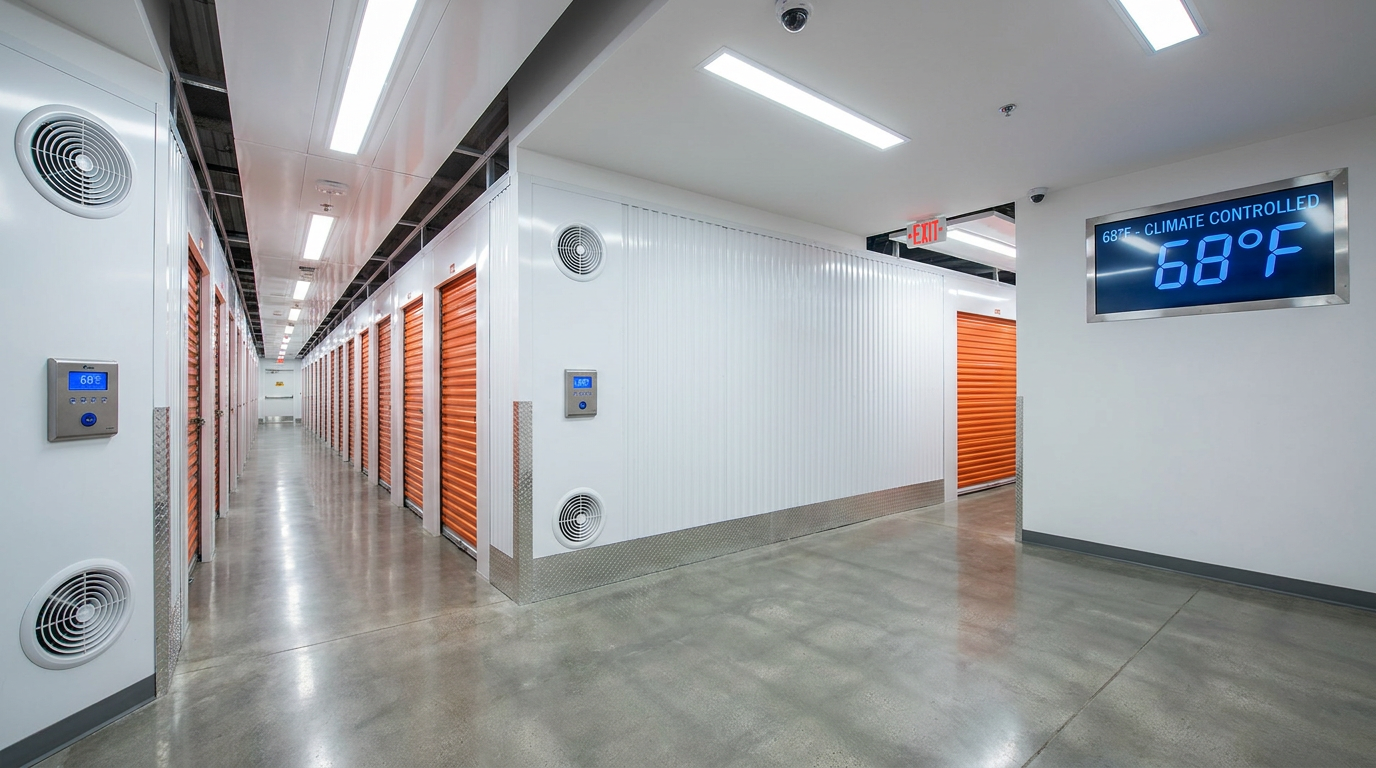
Climate Controlled vs. Temperature Controlled Storage
Many renters confuse climate controlled and temperature controlled storage, but they serve different purposes. Temperature controlled units only regulate heat and cold, while climate controlled units manage both temperature and humidity. According to the Self Storage Association, approximately 45% of storage facilities now offer some form of climate management.
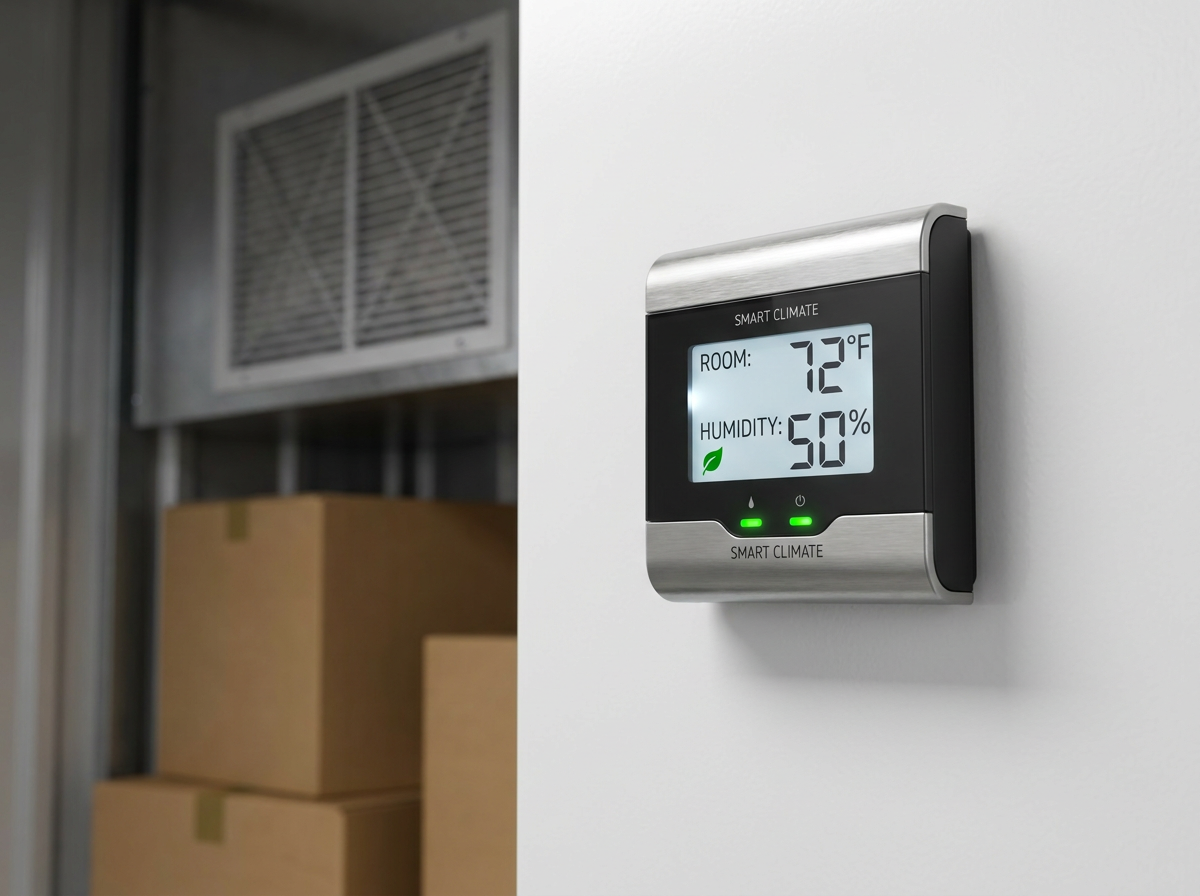
Temperature controlled storage keeps units between 50-80°F but does nothing about moisture. Climate controlled storage adds dehumidification or humidification systems that maintain relative humidity between 30-50%. This distinction matters significantly for items susceptible to moisture damage.
| Feature | Temperature Controlled | Climate Controlled |
|---|---|---|
| Temperature Range | 50-80°F | 55-80°F |
| Humidity Control | No | Yes (30-50% RH) |
| Average Monthly Cost (10x10) | $60-100 | $75-150 |
| Mold Prevention | Limited | Excellent |
| Best For | General items, moderate climates | Sensitive items, humid regions |
What Items Need Climate Controlled Storage?
Certain belongings require climate controlled conditions to prevent irreversible damage. The American Moving and Storage Association reports that improper storage causes over $1.2 billion in damaged goods annually. Understanding which items need protection helps you make cost-effective decisions.
Items That Require Climate Control
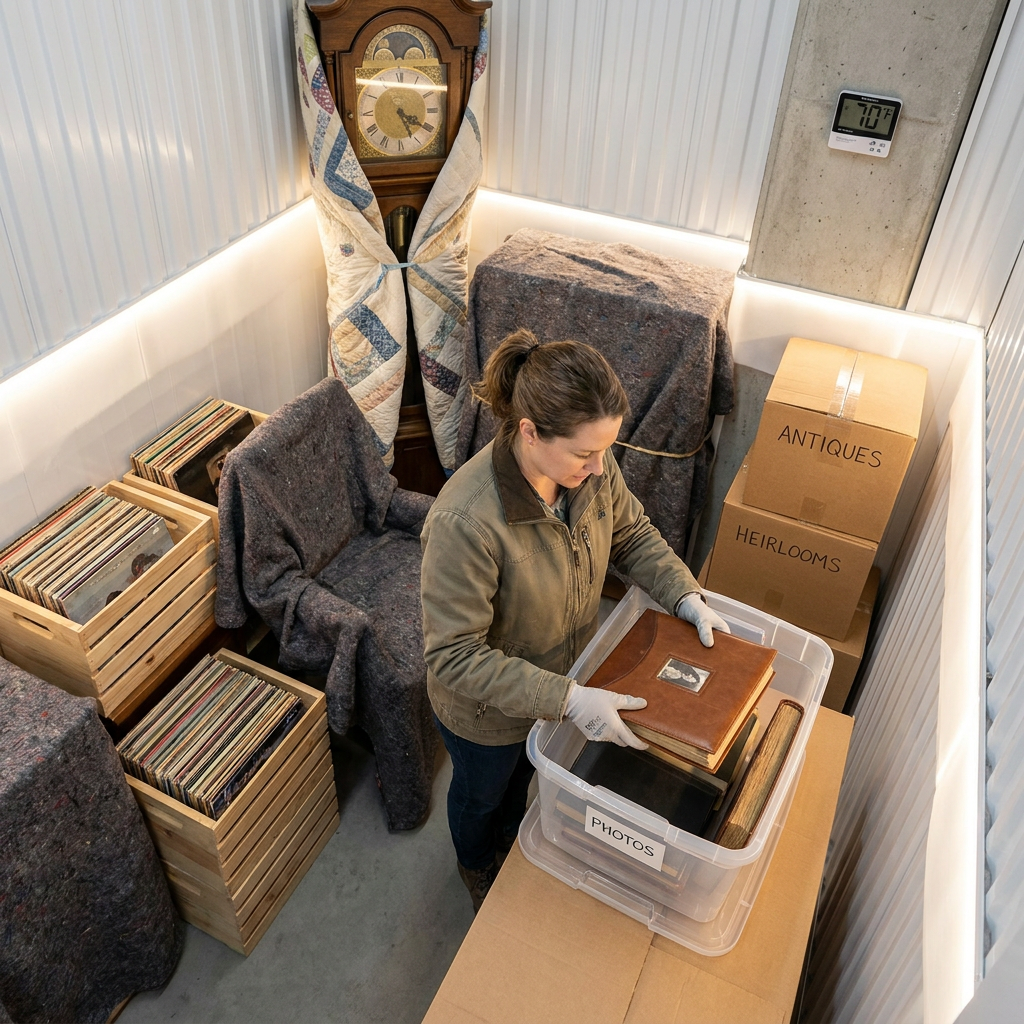
Wood furniture expands and contracts with temperature changes, causing warping, cracking, and joint separation. Antique pieces are especially vulnerable because original glues weaken in fluctuating conditions. Store wood furniture in climate controlled units if temperatures in your area exceed 90°F or drop below 32°F.
Electronics and appliances contain circuit boards and components that corrode when exposed to humidity above 60%. Televisions, computers, gaming systems, and small appliances stored in non-climate-controlled units often develop condensation damage within 6 months. Major manufacturers including Samsung and Apple recommend storage temperatures between 50-95°F.
Documents, photographs, and artwork deteriorate rapidly in unstable conditions. Paper yellows and becomes brittle, photographs stick together, and canvas paintings crack or develop mold. The Library of Congress recommends storing paper materials at 65-70°F with 30-40% relative humidity.
Musical instruments are particularly sensitive to environmental changes. Guitars, pianos, violins, and wind instruments can warp, crack, or lose tuning stability. Yamaha and Steinway both recommend storage environments between 60-75°F with 45-55% humidity for their instruments.
Leather and fabric items including furniture, clothing, and handbags absorb moisture and develop mold or mildew in humid conditions. Leather can crack in dry, cold environments. Designer brands like Louis Vuitton recommend climate controlled storage for long-term preservation.
Items That Do Not Require Climate Control
Metal tools, outdoor equipment, holiday decorations made of plastic, and sturdy sporting goods typically survive standard storage conditions. Items you plan to store for less than 30 days during mild weather also rarely need climate control.
How Much Does Climate Controlled Storage Cost?
Climate controlled storage units cost 20-50% more than standard units, according to data from SpareFoot and Storage.com. The exact premium depends on your location, unit size, and whether humidity control is included. Urban areas and regions with extreme weather typically charge higher premiums.
| Unit Size | Standard Unit | Climate Controlled | Monthly Premium |
|---|---|---|---|
| 5x5 | $30-50 | $40-75 | $10-25 |
| 5x10 | $45-75 | $60-110 | $15-35 |
| 10x10 | $75-125 | $100-175 | $25-50 |
| 10x20 | $125-200 | $165-300 | $40-100 |
| 10x30 | $175-275 | $225-400 | $50-125 |
To determine how much does a 10x10 storage unit cost per month, expect to pay $100-175 for climate controlled options in most U.S. markets. Major providers like Extra Space Storage, Public Storage, and U-Haul price climate controlled units 25-40% above their standard rates.
Ways to Reduce Climate Controlled Storage Costs
Rent the smallest unit that fits your belongings. Unused space increases your monthly expense without providing additional protection. Use our storage unit size guide to calculate exactly what you need before signing a lease.
Look for move-in promotions. Many facilities offer first month free or 50% off the first two months for new customers. Long-term prepayment discounts of 5-15% are common at facilities including CubeSmart, Life Storage, and regional operators.
Is Climate Controlled Storage Worth It?
Climate controlled storage is worth the extra cost when storing items valued at more than 10 times the annual premium, when storing for longer than 3 months, or when local temperatures regularly exceed 90°F or drop below 32°F. The Self Storage Association reports that 73% of climate controlled renters store items for more than 6 months.
Calculate your potential loss. If you are storing a $3,000 leather sofa and the climate controlled premium is $300 per year, the insurance value alone justifies the expense. Electronics, antiques, and irreplaceable documents almost always warrant climate control.
Consider your local climate. Residents of Phoenix, Houston, Miami, and other cities with extreme heat or humidity face higher damage risks in standard units. According to the National Oceanic and Atmospheric Administration, these regions experience 90+ days annually above 90°F, creating conditions that accelerate deterioration.
What Happens If Storage Is Not Climate Controlled?
Non-climate-controlled storage exposes your belongings to temperature swings that can exceed 40 degrees in a single day. A metal storage unit in direct sunlight can reach 120°F or higher during summer months, while winter temperatures inside unheated units match outdoor conditions.
Heat damage causes vinyl records to warp, candles to melt, photographs to stick together, and adhesives to fail. Cosmetics, medications, and wine degrade rapidly above 80°F. Electronics may experience battery swelling or component failure.
Cold damage cracks leather, warps wood, and causes LCD screens to malfunction. Paint and liquids may freeze and expand, breaking containers. Musical instrument strings lose tension and wood bodies develop stress fractures.
Humidity damage creates ideal conditions for mold and mildew growth. Fabric items develop musty odors that are difficult to remove. Paper products absorb moisture and become wavy or stuck together. Metal items rust and corrode.
Difference Between Climate Controlled and Regular Storage Units
Regular storage units, also called standard or non-climate-controlled units, provide a secure space without environmental regulation. These units are typically outdoor drive-up style with roll-up metal doors. Climate controlled units are always located inside buildings with central HVAC systems.
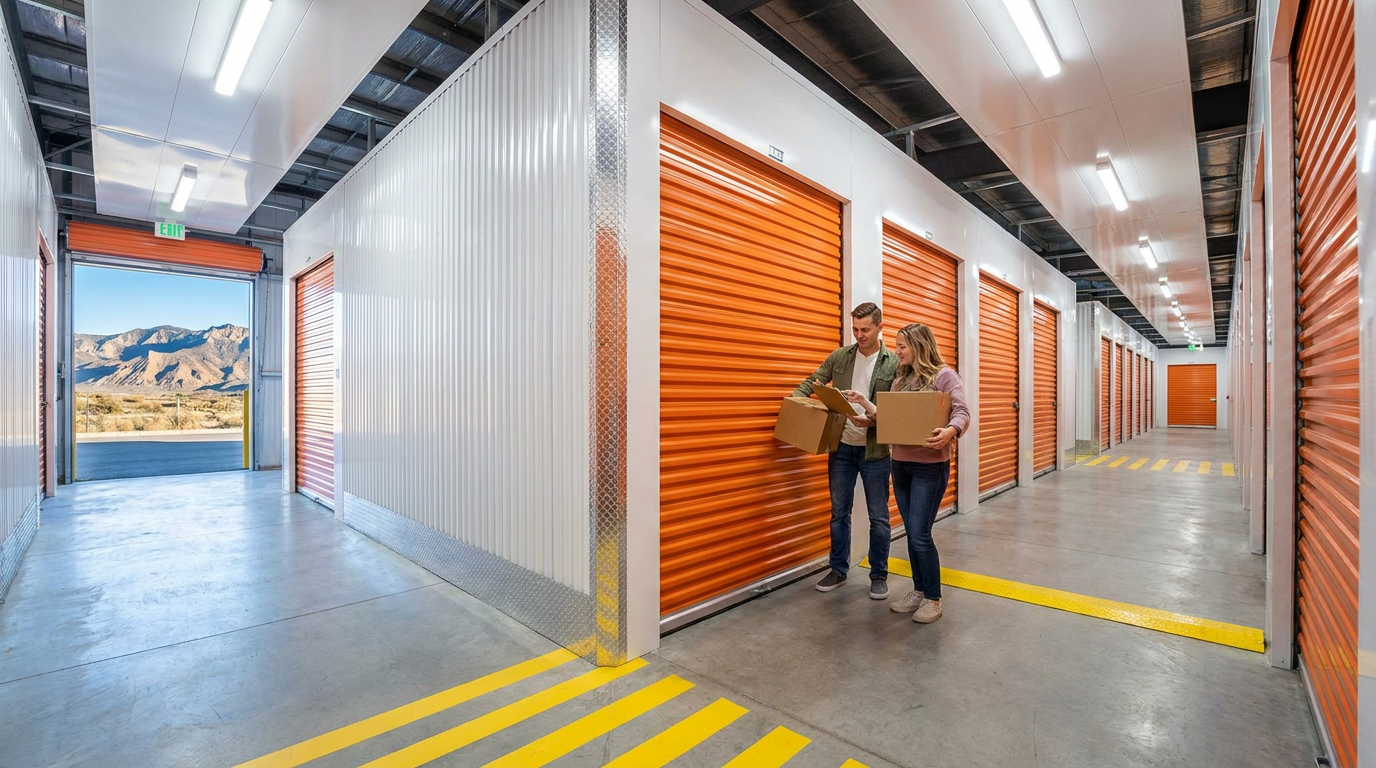
Access differs between the two types. Drive-up units allow you to pull your vehicle directly to the unit door for convenient loading. Climate controlled units usually require walking through hallways, using elevators, or navigating indoor corridors. Some facilities offer 24 hour access storage with electricity near climate controlled units for added convenience.
Security often improves with climate controlled options. Because these units are inside buildings, they benefit from additional barriers including lobby doors, hallway access codes, and interior surveillance. Learn more about our facility security features to understand how modern storage protects your belongings.
Do Climate Controlled Storage Units Prevent Mold?
Climate controlled storage units significantly reduce mold risk by maintaining humidity levels below 50%, which is the threshold where mold growth becomes unlikely. The Environmental Protection Agency states that mold requires moisture, warmth, and organic material to grow. Removing excess moisture eliminates one critical factor.
However, climate control alone does not guarantee mold prevention. Items stored while damp, cardboard boxes that absorb moisture during transport, and organic materials already containing mold spores can still develop problems. The Centers for Disease Control recommends ensuring items are completely dry before storage.
For maximum protection, use plastic storage bins instead of cardboard, allow furniture to air out before storing, and avoid packing items tightly against walls where air circulation is limited. These practices combined with climate control create optimal conditions for long-term preservation.
Is It Legal to Live in a Climate Controlled Storage Unit?
Living in a storage unit is illegal throughout the United States, regardless of climate control status. Storage facilities are zoned for commercial use and lack required residential features including running water, sanitation, proper ventilation, and emergency egress. Violating this prohibition can result in immediate eviction, criminal trespassing charges, and civil liability.
Storage rental agreements from major operators including Public Storage, Extra Space Storage, and U-Haul explicitly prohibit habitation. Facilities monitor for signs of residency and conduct regular inspections. The Self Storage Association reports that facilities evict approximately 2% of tenants annually for lease violations including attempted habitation.
How to Choose the Right Climate Controlled Unit
Selecting the appropriate climate controlled storage unit requires evaluating your specific needs against available options. Not all climate controlled facilities offer identical conditions, and understanding the differences helps you make informed decisions.
Questions to Ask Before Renting
What temperature range does the facility maintain? Most climate controlled facilities keep temperatures between 55-80°F, but some maintain tighter ranges. If storing wine, pharmaceuticals, or other temperature-sensitive items, confirm the specific range meets your requirements.
Does the unit include humidity control? Some facilities advertise climate control but only regulate temperature. True humidity control requires additional dehumidification systems. Ask whether relative humidity stays between 30-50% year-round.
Is the building fully enclosed? Climate controlled units should be inside completely enclosed buildings, not partially covered structures. Exterior walls should be insulated, and the building should have no direct outdoor exposure in storage areas.
What are the access hours? Many climate controlled facilities restrict access to business hours or specific time windows. If you need flexibility, look for storage with 24 hour access near me that maintains climate control around the clock.
Evaluating Unit Size
Climate controlled units typically come in standard sizes from 5x5 (25 square feet) to 10x30 (300 square feet). A 5x10 storage unit holds the contents of a small bedroom or studio apartment. A 10x10 unit accommodates a one-bedroom apartment. Our storage size calculator helps you determine the minimum space required for your belongings.
Frequently Asked Questions
Are climate controlled units indoor or outdoor?
Climate controlled units are always located indoors within fully enclosed buildings. The HVAC systems required for temperature and humidity regulation cannot function effectively in outdoor or semi-enclosed structures. Outdoor units with roll-up doors are standard storage, not climate controlled.
How much more does climate controlled storage cost?
Climate controlled storage costs 20-50% more than standard storage, with the average premium ranging from $15-50 per month depending on unit size. A 10x10 climate controlled unit typically costs $100-175 monthly compared to $75-125 for a standard unit of the same size.
Do I need climate controlled storage for furniture?
Wood furniture, leather upholstery, and antique pieces benefit significantly from climate control, especially for storage periods exceeding 3 months. Particle board furniture, metal frames, and plastic outdoor furniture can typically withstand standard storage conditions in moderate climates.
Can climate controlled storage prevent all damage?
Climate control prevents temperature and humidity related damage but does not protect against pests, theft, flooding, or physical damage during transport. Proper packing, pest prevention measures, and appropriate insurance coverage remain essential regardless of climate control status.
What is the difference between climate controlled storage and regular storage?
Regular storage provides secure space without environmental regulation, while climate controlled storage maintains consistent temperature (55-80°F) and often humidity (30-50%). Climate controlled units cost more but protect sensitive items from heat damage, cold cracking, mold, and moisture deterioration.
|