Best Storage Units for College Students: Summer & Break Guide |
| BEST STORAGE SOLUTIONS FOR COLLEGE STUDENTS: SUMMER AND SEMESTER BREAKS
⏱ 10 min read ·
📄 #1,839 words
Find the best storage units for college students near campus. Compare costs, sizes, security features & get expert tips for summer break storage solutions.
|
C ollege students have four main storage options during breaks: self-storage units ($34 to $150 per month), student storage services ($150 to $400 per summer), keeping items with friends, or transporting belongings home. The best choice depends on distance from campus, budget, and how much you need to store. With over 50,000 storage facilities nationwide, finding the right storage units for college students requires understanding your specific needs and comparing local options systematically.
| Key Points: | |
|---|---|
| • | Self-storage units cost $34 to $150 monthly and offer 24/7 access with month-to-month leases |
| • | A 5x10 unit (50 square feet) fits a typical dorm room's contents including furniture and boxes |
| • | Student storage services charge $150 to $400 for the summer but include pickup and delivery |
| • | Reserve storage 2 to 4 weeks before finals to secure availability and better rates |
| • | Drive-up units eliminate the need to carry items through hallways or up stairs |
How to Evaluate and Compare Storage Facilities for College Students
Choosing the right storage facility requires evaluating multiple factors beyond just monthly cost. College students have unique needs including flexible lease terms, convenient access during breaks, and proximity to campus for easy move-in and move-out. The most successful storage experience comes from thoroughly researching facilities before committing to a rental agreement.
When searching for the best storage facilities for college students , prioritize locations that understand academic schedules and offer student-friendly policies. Look for facilities that provide clear pricing without hidden fees, flexible month-to-month agreements, and staff familiar with the unique challenges students face during semester transitions. The ideal facility should accommodate your academic calendar rather than forcing you to adapt to rigid corporate policies.
Effective college storage solutions extend beyond simply finding the cheapest monthly rate. Consider the total cost of ownership, including transportation expenses, insurance requirements, and potential fees for late payments or early termination. A facility that costs $10 more per month but saves you $50 in gas and time often provides better overall value. Additionally, facilities offering online account management, mobile apps for payments, and digital access codes eliminate the need for office visits during busy academic periods.
Distance from Campus: The 15-Mile Rule
Location significantly impacts your storage experience and total costs. Facilities within 5 miles of campus offer maximum convenience but typically charge premium rates due to high demand from the local student population. The sweet spot for most students lies 10 to 15 miles from campus, where facilities offer competitive pricing while remaining accessible by car or rideshare services.
Consider transportation costs when evaluating distance. A facility 20 miles away might save $30 monthly in rent but cost $40 in gas and time for multiple trips. Factor in move-in day, potential mid-summer access for retrieving items, and move-out logistics when calculating true convenience costs. Students without reliable transportation should prioritize closer facilities or those accessible via public transit routes.
Research local traffic patterns and construction projects that might affect access during peak moving periods in May and August. Facilities located near highway on-ramps or major arterial roads provide easier access with moving trucks and reduce the stress of navigating residential neighborhoods with large vehicles during busy move-out weekends.
Access Hours During Summer and Semester Breaks
Access flexibility becomes crucial during college breaks when your schedule differs from typical business hours. Many students need to retrieve or store items on weekends, evenings, or holidays when academic schedules conflict with standard facility hours. The unpredictable nature of college life means you might need access at 9 PM on a Sunday or early morning before catching a flight home.
24/7 access provides maximum flexibility but may cost 10 to 20 percent more than facilities with limited hours. Gated facilities typically offer extended access from 6 AM to 10 PM, which accommodates most student needs without the premium pricing of round-the-clock access. Avoid facilities that restrict access during holidays or semester breaks, as these periods often coincide with your storage needs.
Test access systems during your facility visit to ensure they work reliably. Malfunctioning gate codes or key card systems can leave you stranded outside when you need to retrieve items for an early morning departure. Facilities with backup access methods, such as both keypad and card systems, provide redundancy when technology fails.
Essential Security Features for Student Storage
Security protects belongings that may represent thousands of dollars in electronics, furniture, and personal items. College students storing items for 3 to 4 months need assurance their belongings remain safe throughout extended periods without supervision. The average college student stores $2,000 to $5,000 worth of belongings, making security a critical investment protection consideration.
Multi-layered security systems provide the best protection. Look for facilities combining perimeter fencing, gated access with individual codes, 24/7 video surveillance, and adequate lighting. Motion-activated lights and security cameras covering all unit doors deter theft and provide evidence if incidents occur.
Evaluate the quality of security cameras and lighting during evening visits. Grainy, poorly positioned cameras provide little deterrent value or useful footage if incidents occur. Modern digital systems with night vision capabilities and cloud storage offer superior protection compared to older analog systems with limited recording capacity.
Lease Flexibility: Month-to-Month vs. Summer Contracts
College schedules change frequently, making flexible lease terms essential. Month-to-month agreements accommodate study abroad programs, internship extensions, or early returns from summer break. Avoid facilities requiring 6-month minimum commitments unless they offer significant cost savings that justify the reduced flexibility.
Summer-only contracts from May through August work well for predictable schedules but lack flexibility if plans change. Some facilities offer hybrid options with 3-month minimums and month-to-month extensions, providing a balance between commitment and flexibility. These arrangements often include modest discounts for the initial commitment period while maintaining adaptability for changing circumstances.
Read termination clauses carefully, as some facilities charge penalties equivalent to one or two months' rent for early departure. The best student-focused facilities allow 30-day notice cancellation without penalties, recognizing that academic and career opportunities often arise with short notice during college years.
Matching Unit Size to Dorm Room Contents
Accurately estimating storage needs prevents overpaying for unused space or cramming items into inadequate units. A typical single dorm room contains 30 to 50 cubic feet of belongings, including bedding, clothing, electronics, books, and small furniture pieces. However, the actual space required depends heavily on how efficiently you pack and utilize vertical storage capacity.
Most students underestimate space requirements by 20 to 30 percent when visualizing storage needs. A 5x10 unit provides 50 square feet of floor space but offers 400 cubic feet when stacking to the 8-foot ceiling height. This accommodates a twin mattress stored vertically, desk chair, mini-fridge, and 15 to 20 boxes efficiently. For detailed guidance on selecting the right size, consult our complete storage unit size guide.
Consider the dimensions of your largest items when selecting unit size. A standard dorm room refrigerator measures approximately 19 inches wide by 20 inches deep by 44 inches tall, while a typical desk chair requires a 2-foot by 2-foot footprint. Mattresses stored on their side against a wall free significant floor space for boxes and other items, maximizing the utility of smaller units.
Student-Specific Comparison Criteria for Storage Facilities
When evaluating multiple storage facilities, students should compare specific criteria that directly impact their experience and budget. Start by requesting quotes from at least three facilities within your preferred distance range, ensuring you compare identical unit sizes and lease terms. Ask each facility about their student discount policies, as many offer 10 to 15 percent reductions with valid student ID, particularly during peak moving seasons.
Examine the facility's policies regarding late payments, early termination, and access restrictions during holidays. Some facilities charge $25 to $50 late fees after just a 5-day grace period, while others offer 15-day grace periods with minimal penalties. Early termination policies vary significantly – the best college storage solutions allow month-to-month cancellation with 30 days' notice, while restrictive facilities may charge penalties equivalent to one or two months' rent.
Test the facility's customer service responsiveness by calling or visiting during different hours, including evenings and weekends when you're most likely to need assistance. Facilities with 24/7 phone support or online chat provide better service during the unpredictable schedules common to student life. Finally, verify insurance requirements and costs, as some facilities mandate expensive coverage while others accept your existing renter's or parents' homeowner's policy at no additional charge.
Investigate the facility's payment options and late fee policies, as these significantly impact your total costs. Facilities accepting online payments, automatic bank drafts, and mobile app transactions provide convenience during busy academic periods. Some facilities offer small discounts for automatic payments, typically 2 to 5 percent monthly, which can offset other fees throughout your storage period.
Finding the Best Storage Units for College Students Near Campus
Locating quality storage units for college students near me requires strategic research combining online reviews, campus resources, and personal facility visits. Start your search by consulting your university's off-campus housing office, which often maintains lists of recommended storage providers serving the campus community. These facilities typically understand academic schedules and offer student-friendly policies developed through years of serving college populations.
Utilize online mapping tools to identify facilities within your preferred distance range, then cross-reference locations with student review platforms like Google Reviews, Yelp, and Facebook. Pay particular attention to reviews from other college students, as they highlight issues most relevant to your situation, such as access during move-out weekends, staff responsiveness during peak periods, and actual experiences with security and cleanliness.
Visit potential facilities during different times of day to assess security, cleanliness, and accessibility under various conditions. A facility that appears well-maintained during business hours might reveal security or lighting deficiencies during evening visits. Take photos of unit interiors, access routes, and security features for later comparison when making your final decision.
Consider seasonal demand patterns when timing your search. Facilities near universities experience peak demand from April through August, with limited availability and higher prices during these months. Starting your search in March allows you to secure better rates and unit selection before competition intensifies from other students making similar arrangements.
Leveraging Campus Resources for Storage Recommendations
Many universities maintain informal networks of trusted service providers, including storage facilities that consistently serve students well. Contact your resident advisor, housing office, or student services department for recommendations based on other students' experiences. These sources often know which facilities offer genuine student discounts versus those that simply market to students without providing real value.
Join campus-specific social media groups and online forums where upperclassmen share storage experiences and recommendations. Facebook groups for your specific university often contain detailed discussions about local storage options, including photos, pricing comparisons, and warnings about facilities to avoid. These peer recommendations prove especially valuable for identifying facilities with hidden fees or poor customer service.
Check with your campus bookstore or student union for bulletin boards where local businesses advertise student services. Some smaller, locally-owned storage facilities focus exclusively on student marketing through campus channels rather than expensive online advertising, potentially offering better rates and more personalized service than large corporate chains.
Storage Facility Comparison Checklist for College Students
Use this comprehensive checklist when evaluating storage facilities to ensure you choose the best option for your specific needs and budget. Print this list or save it to your phone for facility visits and online research. Consider using our 15-point inspection checklist for a thorough facility evaluation.
Essential Facility Features
- ☐ Distance from campus: Within reasonable driving/rideshare distance
- ☐ Access hours: 24/7 or extended hours including weekends
- ☐ Drive-up access: Ground-level units with vehicle access
- ☐ Month-to-month leases: No long-term commitment required
- ☐ Online rental: Reserve and pay online without office visits
- ☐ No deposit required: Reduces upfront costs
- ☐ Student discounts: Verified savings with student ID
- ☐ Multiple payment options: Online, mobile app, automatic draft
Security and Safety
- ☐ Gated access: Individual entry codes for each tenant
- ☐ Video surveillance: 24/7 monitoring of all areas
- ☐ Perimeter fencing: Secure property boundaries
- ☐ Adequate lighting: Well-lit drives and unit areas
- ☐ On-site management: Local presence for security issues
- ☐ Motion sensors: Additional security layer for unit areas
- ☐ Backup power: Security systems function during outages
Cost and Value Considerations
- ☐ Transparent pricing: Clear monthly rates without hidden fees
- ☐ Student discounts: Special rates for college students
- ☐ First month promotions: Reduced initial costs
- ☐ No administrative fees: Avoid setup or processing charges
- ☐ Insurance options: Affordable coverage for stored items
- ☐ Flexible lease terms: 30-day cancellation notice
- ☐ No early termination penalties: Freedom to end lease if plans change
Convenience and Accessibility
- ☐ Wide drive aisles: Easy maneuvering with moving trucks
- ☐ Loading equipment: Dollies and carts available
- ☐ Climate considerations: Appropriate for your stored items
- ☐ Multiple unit sizes: Options if needs change
- ☐ Responsive customer service: Available during evenings/weekends
Comparing College Student Storage Options: Costs and Features
According to Storage Scholars, students typically choose between self-storage facilities, specialized student storage services, or informal arrangements with friends. Each option has distinct advantages depending on your situation, budget, and how much flexibility you need.
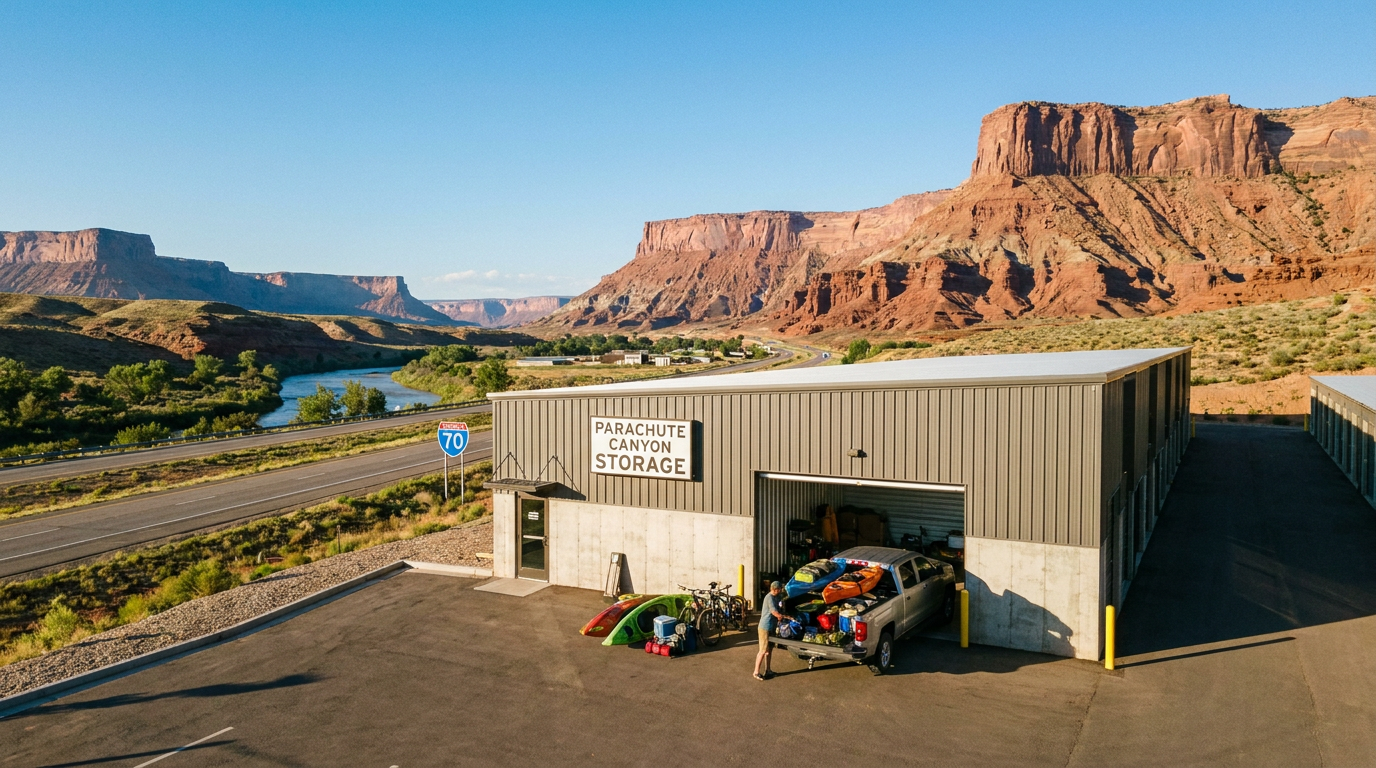
Self-storage facilities like those along Colorado's I-70 corridor offer the most control over your belongings. You can access your items anytime, add or remove things throughout the summer, and avoid the premium pricing of student-focused services. Month-to-month leases mean you pay only for the time you need. For detailed pricing information, review our complete storage costs guide.
| Storage Option | Cost Range | Best For | Key Limitation |
|---|---|---|---|
| Self-Storage Unit | $34 to $150/month | Students with vehicles or local help | Requires transportation |
| Student Storage Service | $150 to $400/summer | Out-of-state students without cars | No access during storage period |
| Friend's House or Garage | Free to $50 | Small amounts, trusted relationships | No security guarantees |
| Ship Items Home | $100 to $500+ | Valuable electronics only | Expensive for bulky items |
| Portable Storage Container | $89 to $200/month | Groups sharing costs | Requires parking space |
Understanding Total Cost of Ownership for Student Storage
The advertised monthly rate represents only part of your total storage investment. Factor in setup fees, insurance costs, lock purchases, packing supplies, and transportation expenses when comparing options. A facility advertising $50 monthly rates might cost $200 for the first month when including deposits, administrative fees, and required insurance coverage.
Transportation costs vary significantly based on your access needs and facility location. Students requiring multiple visits throughout the summer should prioritize closer facilities even if monthly rates are higher. Calculate round-trip costs for move-in, potential mid-summer access, and move-out to determine true convenience expenses. Rideshare services to distant facilities can cost $30 to $60 per trip, quickly exceeding savings from lower monthly rates.
Consider opportunity costs when evaluating storage versus replacement strategies. Storing a $40 desk lamp for three months at $60 total cost exceeds replacement value, while storing a $300 mini-refrigerator makes clear financial sense. Create a replacement cost analysis for major items to optimize your storage versus replacement decisions.
What Size Storage Unit Do College Students Need?
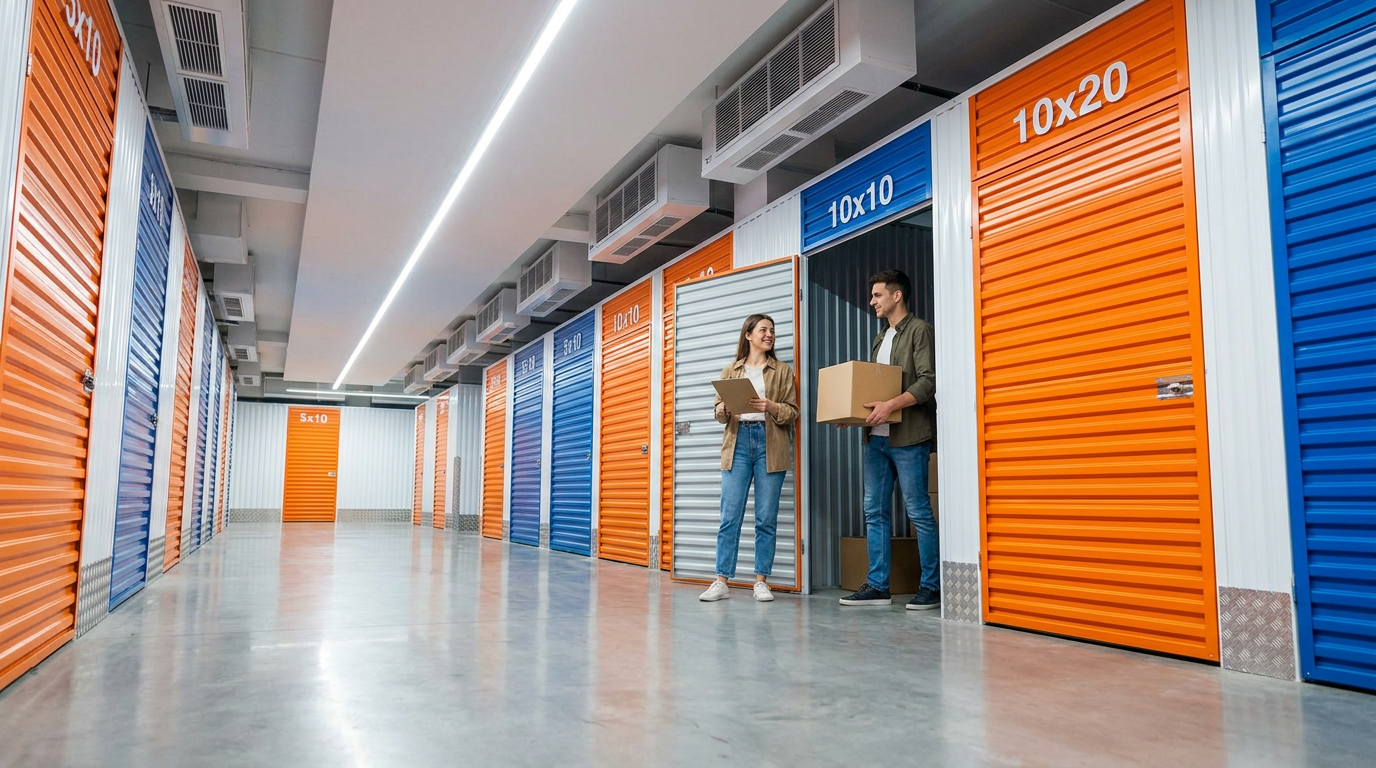
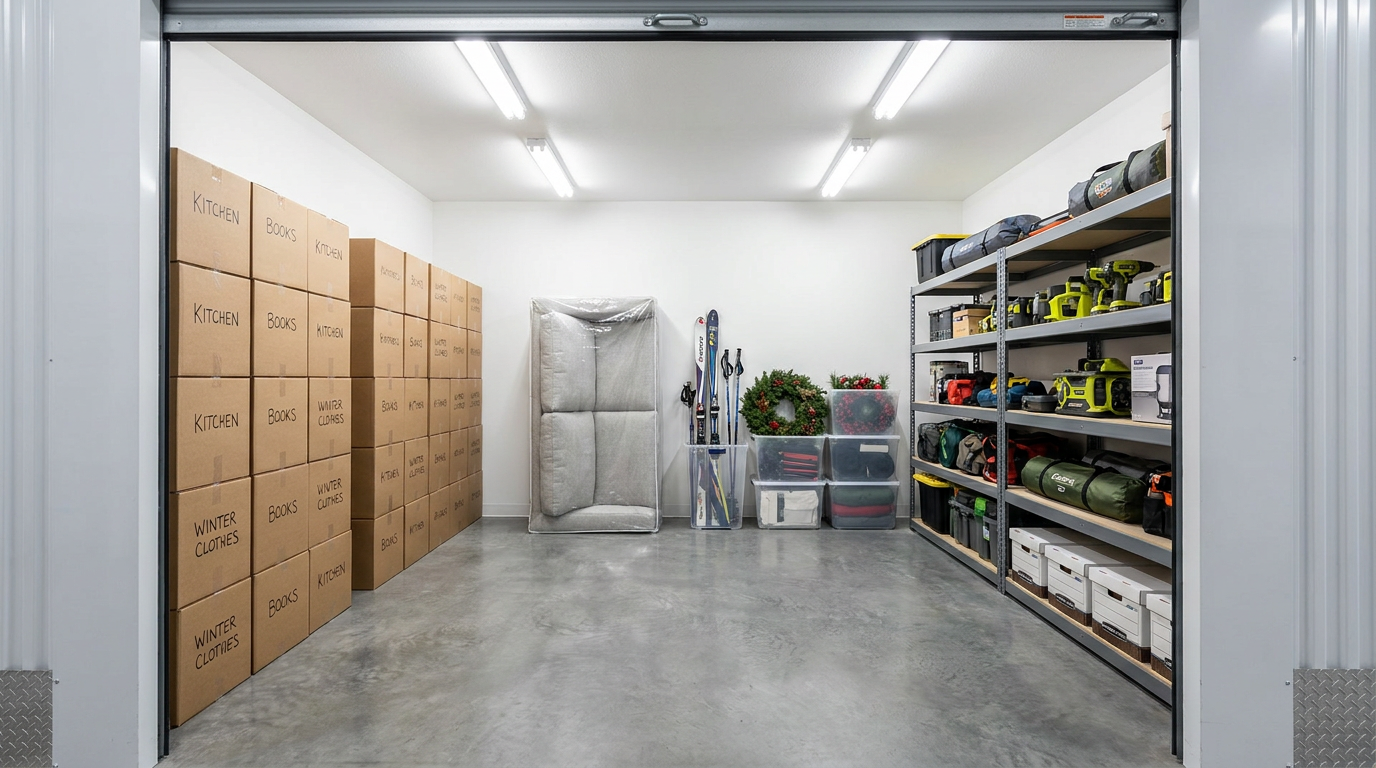
Most college students need between 25 and 100 square feet of storage space. A 5x10 storage unit(50 square feet) accommodates the contents of a standard dorm room, including a mini-fridge, microwave, bedding, and 10 to 15 boxes. Students with more furniture or sharing with a roommate should consider a 10x10 unit.
The National Self Storage Association reports that 5x10 units remain the most popular size for students nationwide. This size provides enough room for a twin mattress stored vertically, a small desk, chair, and seasonal clothing without paying for unused space.
Understanding Unit Dimensions and Capacity
Storage unit dimensions can be misleading without understanding how items fit in three-dimensional space. A 5x10 unit measures 5 feet wide by 10 feet deep, but the 8-foot ceiling height provides crucial vertical storage capacity. Utilizing vertical space effectively can double your storage capacity compared to floor-only arrangements.
When evaluating unit size, consider both the footprint of your largest items and the total volume of belongings. A twin mattress occupies 39 by 75 inches of floor space when stored flat but only 6 by 75 inches when stored on its side against a wall, freeing significant floor area for other items.
Visualize your storage layout before committing to a unit size. Sketch a floor plan showing your largest items first, then fill remaining space with boxes and smaller belongings. This exercise often reveals that a slightly larger unit provides significantly more usable space for a modest increase in monthly cost, while downsizing too aggressively creates cramped conditions that make accessing items difficult.
Storage Size Guide for Common Dorm Items
Understanding what fits in each unit size helps you avoid overpaying for space you do not need. A compact 5x10 drive-up unit, starting at $55 per month at Parachute Self Storage, handles most single-student needs efficiently. Consider your specific belongings when selecting unit size, as students with extensive book collections, multiple electronic devices, or bulky furniture may require larger spaces.
| Unit Size | Square Feet | What It Holds | Typical Monthly Cost |
|---|---|---|---|
| 5x5 | 25 sq ft | Clothing, books, small electronics | $25 to $50 |
| 5x10 | 50 sq ft | One dorm room: bed, desk, 10-15 boxes | $34 to $75 |
| 10x10 | 100 sq ft | Two dorm rooms or one room plus furniture | $73 to $125 |
| 10x15 | 150 sq ft | Three to four students sharing | $99 to $165 |
Optimizing Storage Layout for Maximum Efficiency
Proper organization maximizes your unit's capacity while maintaining easy access to frequently needed items. Store your heaviest and least-needed items first, placing them against the back wall. Position frequently accessed items near the unit entrance, creating clear pathways through your storage space.
Use uniform box sizes when possible to create stable stacking arrangements. Standard moving boxes (18x18x16 inches) stack efficiently and support significant weight when properly loaded. Place heavier boxes on the bottom and lighter items on top, creating columns that utilize vertical space without risking collapse.
Create an inventory map showing the location of specific items within your unit. Take photos of your storage arrangement and maintain a digital inventory list with box contents and locations. This organization system saves time during mid-summer visits and ensures nothing gets forgotten or lost among your stored belongings.
Summer Storage Timeline: When to Start Planning and Booking
Successful summer storage requires planning that begins well before finals week stress peaks. The optimal timeline starts 6 to 8 weeks before your planned move-out date, allowing adequate time for research, comparison shopping, and securing the best available rates and unit selections. Facilities near universities typically experience their highest demand from mid-April through August, making early action essential for securing preferred options.
Start researching storage options during spring break or early April, when you have sufficient time to visit facilities, compare pricing, and read reviews without the pressure of impending deadlines. This early research phase allows you to identify 3 to 5 potential facilities and understand their specific policies, pricing structures, and availability patterns.
Book your storage unit 2 to 4 weeks before your move-out date to lock in pricing and guarantee availability. Many facilities offer online reservations with flexible cancellation policies, allowing you to secure space while finalizing your specific moving logistics. Waiting until the final week before move-out often results in limited unit availability, higher prices, and reduced negotiating power for student discounts or promotional rates.
Critical Timeline Milestones for Student Storage
8 Weeks Before Move-Out: Begin researching storage facilities within your preferred distance range. Read online reviews, check university resources for recommendations, and create a preliminary list of potential options. Start decluttering belongings to estimate actual storage needs.
6 Weeks Before: Visit top facility candidates in person, comparing security features, unit sizes, and access convenience. Request quotes and ask about student discounts, promotional rates, and lease flexibility. Begin collecting packing supplies from campus sources or online retailers.
4 Weeks Before: Reserve your selected storage unit online or by phone, confirming lease terms, payment schedules, and access procedures. Arrange transportation logistics, whether renting a truck, coordinating with friends, or hiring professional movers.
2 Weeks Before: Finalize packing strategies and begin boxing non-essential items. Confirm storage unit access codes and procedures, and verify insurance coverage requirements. Create inventory lists for valuable items and take photos for insurance documentation.
1 Week Before: Complete packing of all storage-bound items, labeling boxes clearly and organizing items for efficient loading. Confirm move-in appointment times and gather all required documentation, including identification, insurance proof, and payment methods.
How to Store College Stuff Over Summer: Step-by-Step Process
Planning your storage strategy 2 to 4 weeks before finals week prevents last-minute stress and higher prices. Extra Space Storage notes that facilities near universities often reach capacity during the first two weeks of May, making early reservations essential.
Step 1: Sort and Declutter (1 to 2 Weeks Before Move-Out)
Separate items into four categories: take home, store, sell, and donate. The average college student accumulates 40 to 60 pounds of items per semester that they no longer need. Selling textbooks through platforms like Chegg, Amazon Textbooks, or campus buyback programs can generate $50 to $200 toward storage costs.
Donate usable items to organizations like Goodwill, Salvation Army, or campus donation drives. Many universities partner with local charities during move-out week, placing donation bins in residence halls for convenience. Consider hosting a dorm room sale or participating in campus-wide student sales to convert unwanted items into storage funding.
Apply the "one-year rule" when deciding what to store versus donate. Items you haven't used in the past year are unlikely to be needed next semester, making them prime candidates for donation or sale. This decluttering process typically reduces storage needs by 25 to 40 percent, potentially allowing you to rent a smaller, less expensive unit.
Step 2: Reserve Your Storage Unit (2 to 4 Weeks Before Move-Out)
Book your unit online to lock in pricing and guarantee availability. Facilities offering online rental in 60 seconds with immediate move-in eliminate paperwork delays. Look for month-to-month leases with no deposit required, which provide flexibility if your summer plans change.
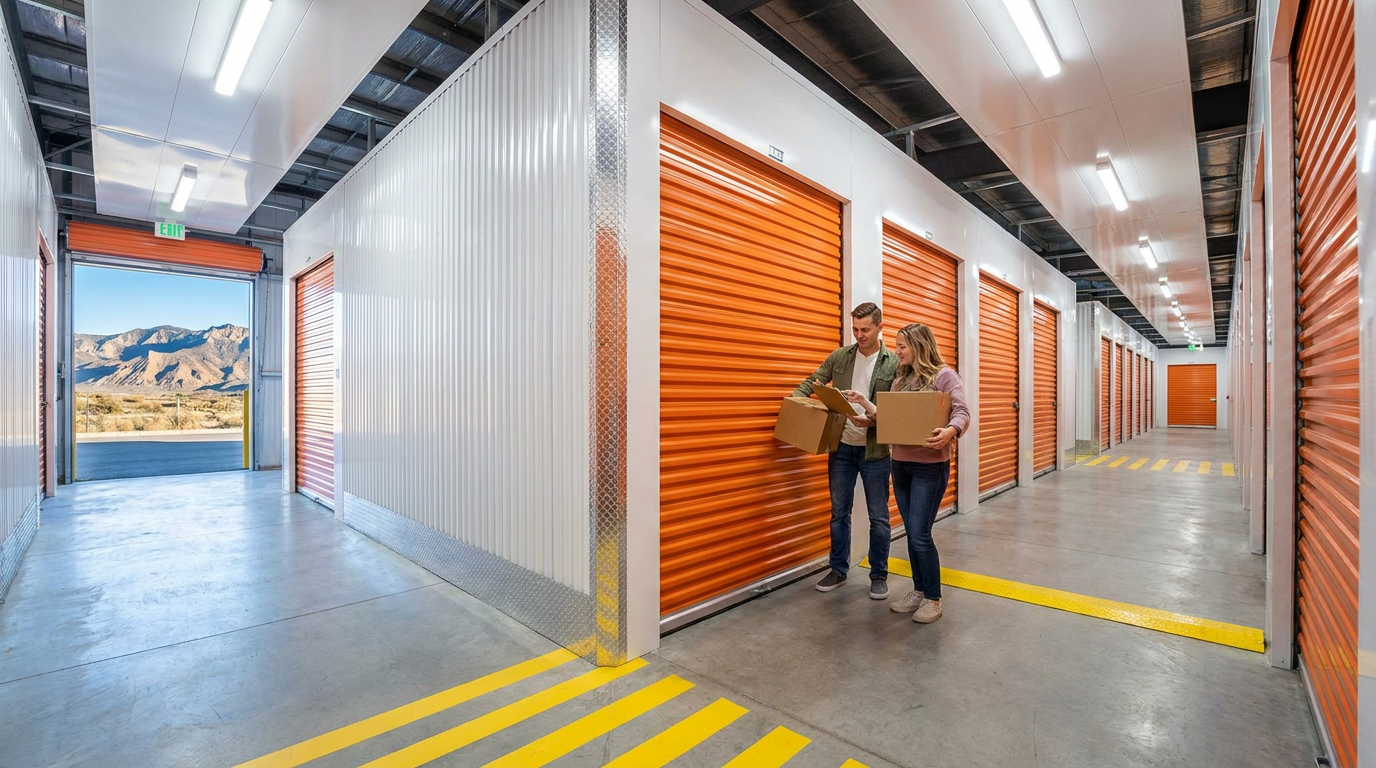
When comparing facilities, prioritize drive-up access for easier loading. Carrying boxes through hallways and elevators adds hours to your move-out process. Ground-level units with vehicle access let you pull up directly and unload in 30 to 45 minutes.
Confirm all rental terms before finalizing your reservation, including access hours, payment due dates, late fee policies, and insurance requirements. Request written confirmation of any student discounts or promotional rates to avoid disputes later. Some facilities require 24-hour notice for first-time access, so plan accordingly for your move-in schedule.
Step 3: Gather Packing Supplies (1 Week Before)
Collect sturdy boxes, packing tape, bubble wrap, and markers for labeling. Campus bookstores, liquor stores, and online retailers like U-Haul and Home Depot sell moving supplies. Budget $25 to $50 for supplies, or check campus free-and-for-sale groups where graduating students often give away boxes.
Use vacuum-seal bags for bedding and clothing to reduce volume by up to 75 percent. Wrap fragile items individually and fill empty spaces in boxes with towels or clothing to prevent shifting during transport. Consider using your luggage and laundry baskets as additional containers to maximize packing efficiency.
Invest in quality packing tape and markers for labeling, as these small expenses prevent larger problems later. Cheap tape fails in storage conditions, potentially allowing boxes to open and contents to scatter. Waterproof markers ensure labels remain readable throughout the storage period, even in humid conditions.
Step 4: Pack Strategically
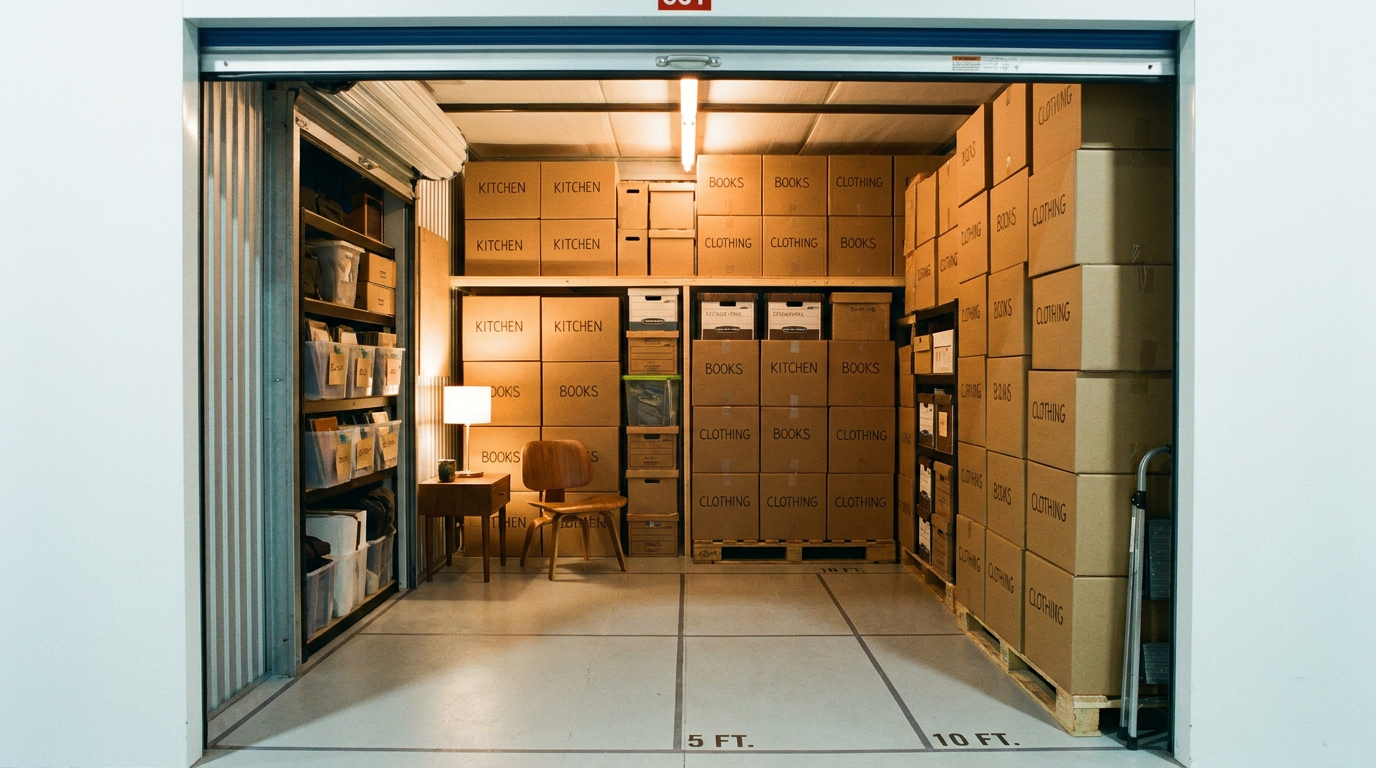
Label every box on multiple sides with contents and your name. Create an inventory list on your phone or in a Google Doc for insurance purposes. Pack heavier items in smaller boxes to keep weight manageable, typically under 50 pounds per box.
Disassemble furniture when possible. Remove legs from desks and beds, and keep hardware in labeled plastic bags taped to the furniture piece. This maximizes space utilization and protects components from damage. Take photos of electronic setups before disconnecting to simplify reassembly next semester.
Pack items you might need during summer in clearly marked boxes near the unit entrance. Include seasonal clothing, important documents, and any electronics you might retrieve for internships or summer activities. This strategic placement eliminates the need to move multiple items when accessing specific belongings.
Step 5: Execute Move-In Day
Arrive at your storage facility with all required documentation, including identification, insurance proof, and payment method. Allow 60 to 90 minutes for the complete move-in process, including paperwork, unit inspection, and item arrangement. Bring a friend to help with heavy items and provide security while loading.
Inspect your unit before placing any items inside, documenting any existing damage with photos. Test the unit lock and access procedures to ensure everything functions properly. Take final photos of your loaded unit for insurance purposes and future reference when planning item retrieval.
Security Features That Protect Your Belongings
Choosing a facility with proper security prevents theft and damage during the 3 to 4 months your items remain in storage. According to the Self Storage Association, facilities with multiple security layers report 73 percent fewer incidents than those with basic protection.
Essential security features include 24/7 video surveillance, coded gate entry, perimeter fencing, and individual unit locks. Locally owned facilities often provide more personalized security monitoring than large corporate chains with remote management.
What to Look for in a Secure Storage Facility
- Gated access with unique entry codes for each tenant
- 24/7 video surveillance covering all drive aisles and unit doors