Storage Unit Security in Parachute: Features That Actually Matter |
| STORAGE UNIT SECURITY IN PARACHUTE: WHAT FEATURES ACTUALLY MATTER
⏱ 14 min read ·
📄 #2,653 words
Learn which storage unit security features protect your belongings in Parachute, CO. Compare surveillance, gating, lighting, and access controls that matter most.
|
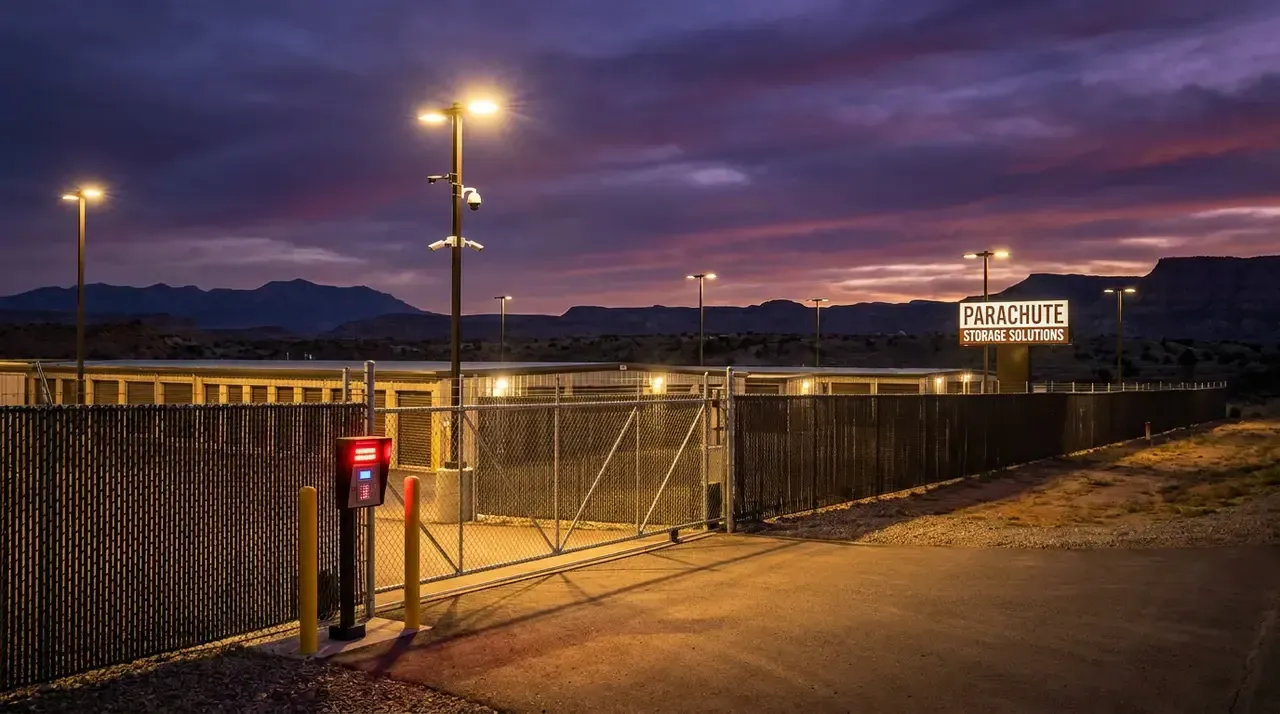
T he security features that matter most for storage units in Parachute, Colorado are 24/7 video surveillance, coded gate entry, perimeter fencing, individual unit locks, and adequate lighting. These five elements work together to create layered protection that deters theft and gives you documented evidence if incidents occur.
| Key Points: | |
|---|---|
| • | Video surveillance with 30+ day retention provides evidence for insurance claims and law enforcement |
| • | Coded gate entry creates individual access logs tracking who enters and when |
| • | Perimeter fencing of 6 feet or higher reduces unauthorized access by up to 80% |
| • | Disc locks and cylinder locks are 3x more resistant to bolt cutters than standard padlocks |
| • | Motion-activated LED lighting covering all drive aisles deters 60% of opportunistic theft |
Choosing a storage facility based on price alone costs renters an average of $2,500 in stolen goods annually, according to industry data. In Western Colorado communities like Parachute, Battlement Mesa, Rifle, and Silt, where facilities may sit adjacent to the I-70 corridor with high traffic volume, security infrastructure separates reliable storage from risky gambles.
The Five Security Layers That Protect Your Belongings
Professional storage facilities use a concept called "defense in depth," which means multiple security measures working together. According to Guardian Storage's security analysis, no single feature provides complete protection. Each layer addresses different threat types, from opportunistic theft to planned break-ins.
The Self Storage Association reports that facilities with all five core security features experience 94% fewer theft incidents than those with only one or two measures. This dramatic difference explains why security should rank above price when selecting a facility for valuable items.
Layer 1: Video Surveillance Systems
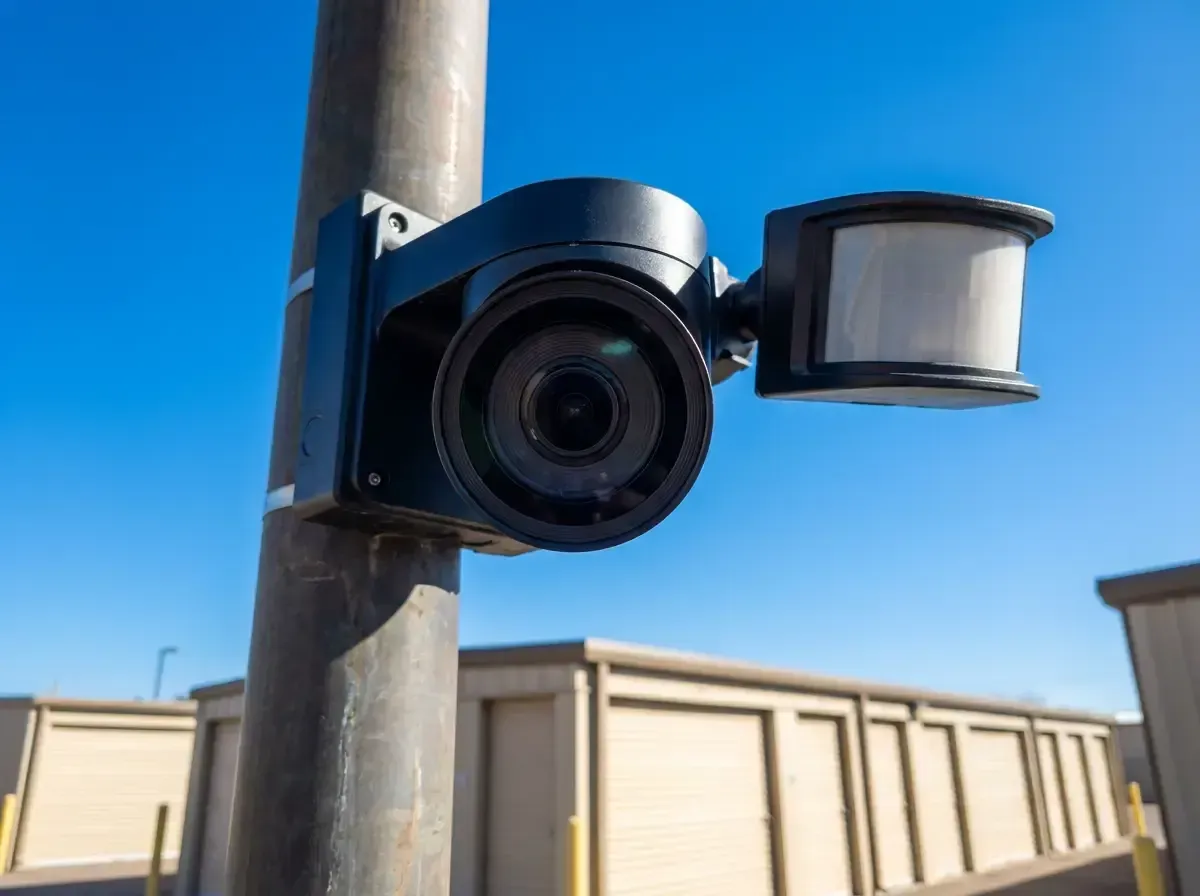
Modern storage facilities deploy between 16 and 48 cameras depending on property size. The cameras that matter most cover entry gates, drive aisles, and individual unit doors. Look for facilities advertising "24/7 video surveillance" rather than just "security cameras," as this indicates continuous recording rather than motion-activated systems that may miss activity.
Recording retention matters significantly for insurance purposes. Most insurance claims require video evidence within 30 days of discovery. Facilities should retain footage for a minimum of 30 days, with 60 to 90 days being the industry standard for premium facilities. Ask specifically about retention policies before signing a lease.
Camera resolution has improved substantially since 2020. Facilities upgraded after 2022 typically use 4K cameras capable of capturing license plates and facial features from 50 feet away. Older analog systems may record activity but produce footage too grainy for identification purposes.
Layer 2: Gated Access Control
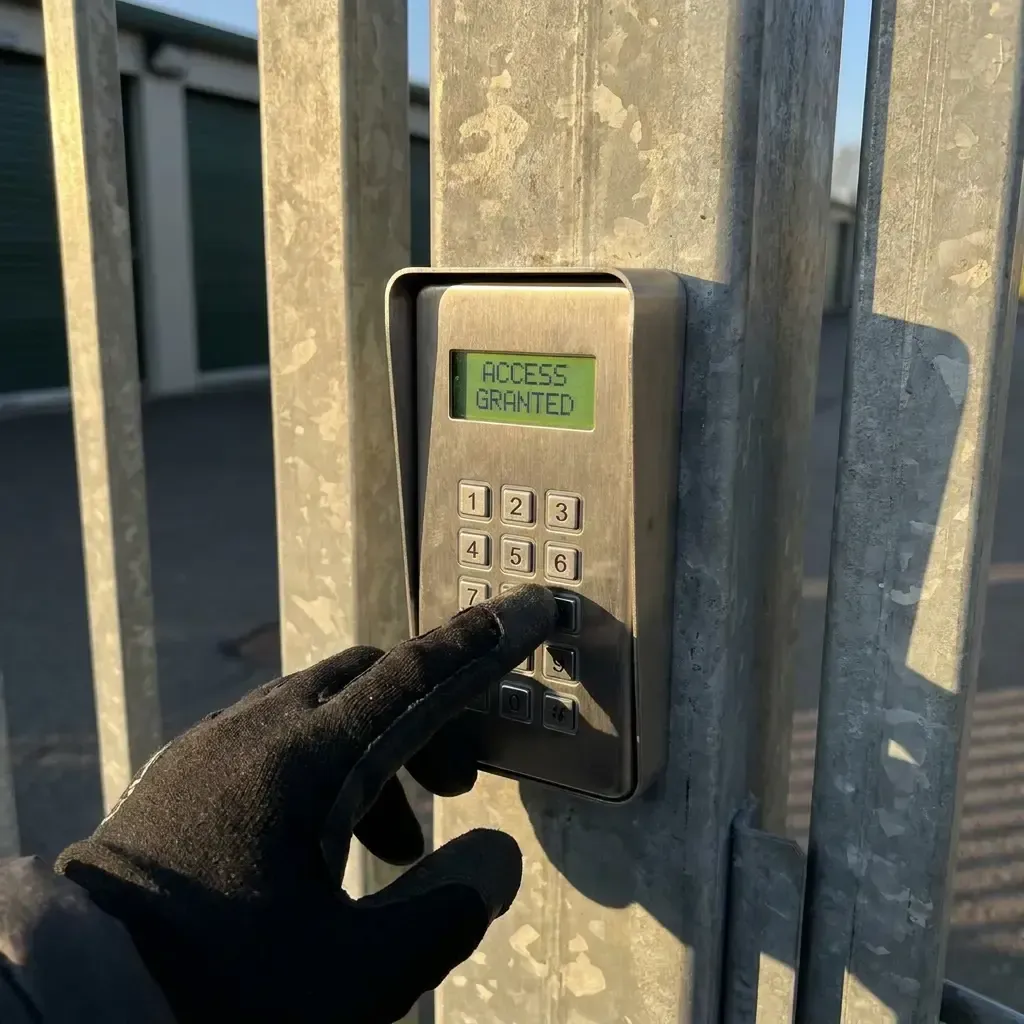
Coded gate entry systems do more than keep unauthorized people out. They create detailed logs showing exactly when each tenant accessed the property. These access logs prove invaluable when investigating incidents, as they narrow down timeframes and identify who was present during suspicious activity.
The two primary gate systems are keypad entry and key fob systems. Keypad systems using 4 to 6 digit codes cost facilities less to maintain but allow code sharing. Key fob systems provide better tracking since each fob links to a specific account, making it impossible to share access without sharing physical possession of the device.
Gate hours matter for renters needing flexible access. Some facilities restrict gate access to business hours (typically 6 AM to 10 PM), while others provide true 24/7 access. For residents along the I-70 corridor who may work oil field schedules or irregular hours, 24/7 gated access in Parachute eliminates scheduling constraints.
Layer 3: Perimeter Fencing
Fencing serves as both physical barrier and psychological deterrent. The International Foundation for Protection Officers recommends commercial storage facilities use fencing at least 6 feet high with anti-climb features. Chain link with barbed wire or razor ribbon tops remains the industry standard, though decorative steel fencing provides equivalent security in some jurisdictions.
Fence integrity requires regular inspection. Look for facilities where fencing appears well-maintained without gaps, bent sections, or areas where ground clearance exceeds 4 inches. Poorly maintained fencing signals overall facility neglect and reduced security investment.
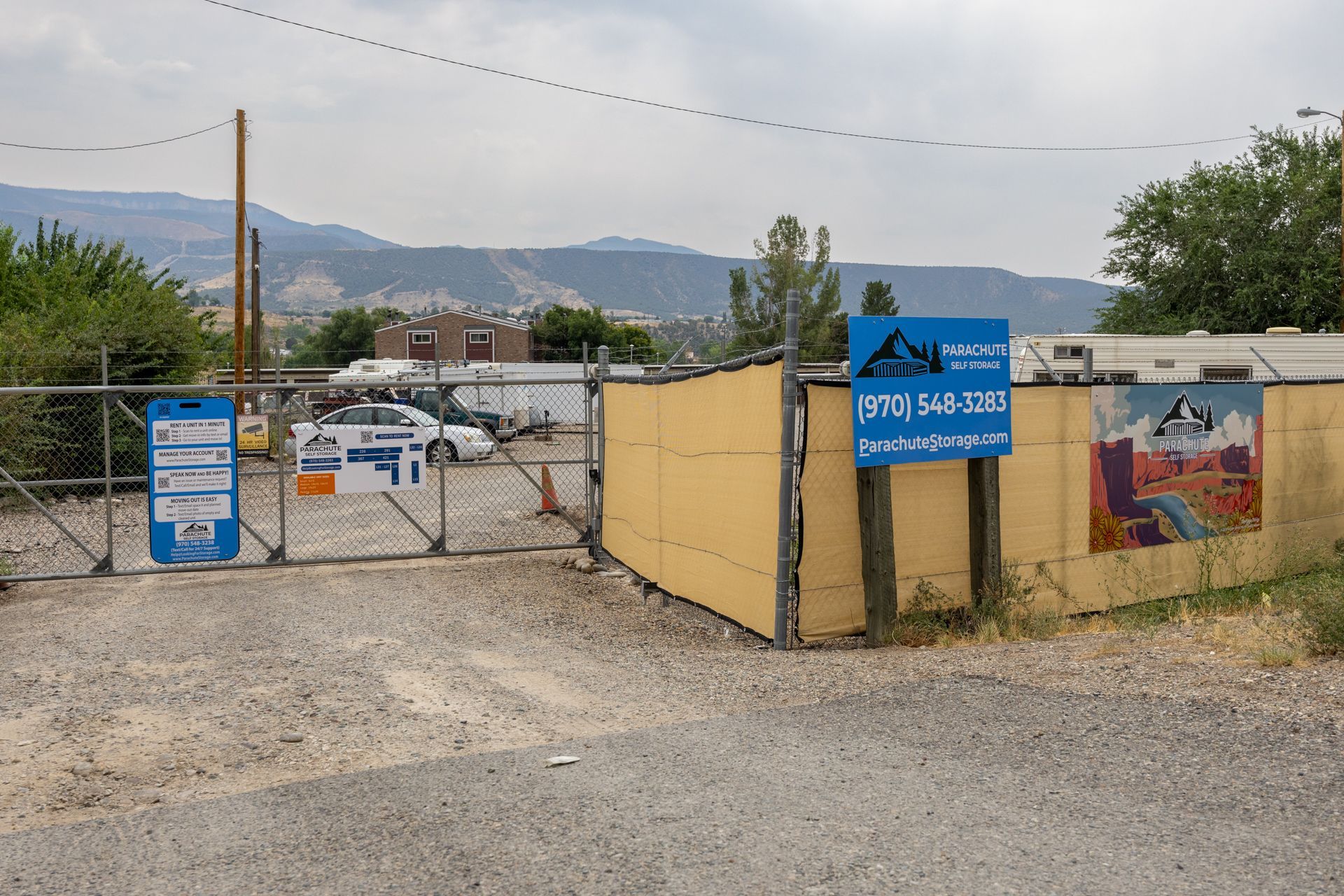
The fence line should completely enclose the storage area with no gaps between buildings and fence posts. Some facilities cut corners by using building walls as partial perimeter barriers, which creates vulnerability points where determined intruders can access the property.
Layer 4: Individual Unit Locks
Your lock choice represents the final physical barrier protecting your belongings. Standard brass padlocks, while inexpensive at $8 to $15, can be cut with basic bolt cutters in under 10 seconds. Disc locks and cylinder locks designed specifically for storage units resist cutting tools and typically require 3 to 5 minutes of sustained effort to defeat.
The American Lock Company and Master Lock both manufacture storage-specific locks rated for outdoor use. These locks feature hardened steel shackles, weather-resistant housings, and pick-resistant cylinders. Expect to pay $25 to $45 for quality storage locks, which represents minimal investment compared to contents value.
Some facilities sell locks on-site, which offers convenience but may limit options. Purchasing your own lock from a hardware store or online retailer typically provides better selection and equivalent or lower pricing. Avoid combination locks for storage units, as the mechanisms are more vulnerable to manipulation than keyed versions.
Layer 5: Adequate Lighting
The Illuminating Engineering Society recommends minimum 5 foot-candles of illumination for storage facility drive aisles and 2 foot-candles for parking areas. In practical terms, you should be able to read a phone screen without straining and clearly see unit numbers from your vehicle.
LED lighting has replaced metal halide and sodium vapor fixtures at most facilities built or renovated since 2018. LEDs provide consistent color temperature that improves camera image quality while reducing energy costs by 40 to 60 percent. This matters because facilities can afford to leave more lights on continuously rather than relying solely on motion activation.
Visit any facility you are considering after dark before signing a lease. Daytime tours do not reveal lighting adequacy. Walk the drive aisles, check corners and areas between buildings, and note whether any sections feel uncomfortably dark. Facilities with inadequate lighting rarely improve it after you have already rented.
Security Features Comparison: What to Evaluate
Not all security features provide equal protection value. The following comparison helps prioritize which elements matter most based on what you plan to store and how frequently you will access your unit.
| Security Feature | Protection Level | Best For | Typical Cost Impact |
|---|---|---|---|
| 24/7 Video Surveillance | High | Evidence collection, deterrence | Included at quality facilities |
| Coded Gate Entry | High | Access tracking, unauthorized entry prevention | Included at quality facilities |
| Perimeter Fencing (6ft+) | High | Physical barrier, visual deterrent | Included at quality facilities |
| Disc/Cylinder Locks | Medium-High | Cut resistance, pick resistance | $25-$45 one-time purchase |
| LED Lighting | Medium | Deterrence, camera image quality | Included at quality facilities |
| On-Site Manager | Medium | Immediate response, regular monitoring | +$10-$30/month premium |
| Individual Unit Alarms | Medium | Break-in detection, high-value items | +$15-$25/month premium |
| Climate Control | Low (security) / High (protection) | Temperature-sensitive items | +$20-$50/month premium |
Red Flags: Security Features That Sound Good But Provide Limited Value
Marketing language often obscures the difference between genuine security and security theater. Understanding which features provide real protection versus false confidence helps you evaluate facilities more accurately.
"Security Patrols" Without Specifics
Some facilities advertise security patrols without specifying frequency or provider. A patrol that drives through once weekly provides minimal deterrent value compared to consistent on-site presence. Ask specifically: How often do patrols occur? Are they random or scheduled? Who provides the service? Facilities with genuine patrol programs will answer these questions directly.
"Monitored" Alarms Without Response Protocols
Alarm monitoring means different things at different facilities. Some systems simply record when alarms trigger without notifying anyone. Others alert a call center that contacts local law enforcement. The difference in response time can exceed 30 minutes, which determines whether authorities arrive during an incident or after perpetrators have left.
Cameras Without Recording
Dummy cameras and non-recording systems exist at budget facilities. These provide zero evidentiary value and minimal deterrent effect once word spreads in criminal networks. Ask to see the monitoring station or inquire about footage retrieval procedures. Legitimate facilities will explain their recording systems without hesitation.
Security Considerations Specific to Western Colorado
Geographic and demographic factors influence which security features matter most in the Parachute and Rifle area. The I-70 corridor presents unique considerations that differ from urban storage markets in Denver or Colorado Springs.
High Traffic Volume and Transient Population
Interstate 70 carries approximately 12,000 vehicles daily through Garfield County, according to Colorado Department of Transportation data. This traffic volume means storage facilities near highway exits experience more drive-by visibility than facilities in residential areas. Higher visibility can attract both legitimate customers and those looking for easy targets.
Facilities located directly off I-70, such as those near Exit 75 in Parachute, benefit from coded gate entry that prevents casual access. The gate creates a clear boundary between public highway access and private storage property, which deters opportunistic criminals who prefer facilities they can enter without leaving access records.
Seasonal Population Fluctuations
Energy industry employment in Garfield and Rio Blanco counties creates population swings that affect storage demand and security considerations. During drilling booms, temporary workers need short-term storage for equipment and personal items. During slowdowns, facilities may have higher vacancy rates that reduce natural surveillance from regular tenant activity.
Facilities with consistent occupancy rates above 80% provide better security through activity density. More tenants accessing units throughout the day means more eyes on the property and more witnesses to suspicious behavior. Ask about current occupancy when touring facilities.
Weather and Environmental Factors
Western Colorado's semi-arid climate with temperature swings from below zero to above 100 degrees Fahrenheit affects both stored items and security infrastructure. Camera systems designed for temperate climates may fail during extreme cold snaps. Gate mechanisms can freeze or malfunction without proper winterization.
Quality facilities in the region invest in weather-rated equipment and maintain backup systems. The security features at Parachute Self Storage account for local climate conditions, ensuring consistent operation year-round regardless of weather extremes.
How to Evaluate Security During a Facility Tour
A 15-minute facility tour reveals more about security than any website or phone conversation. Use this checklist to assess real security versus marketing claims.
Before You Arrive
Drive past the facility at different times: early morning, midday, and after dark. Note whether lighting appears adequate at night, whether the gate remains closed between vehicles, and whether the property appears well-maintained from the street. Facilities that look neglected from outside rarely maintain better standards inside.
During Your Tour
Request a complete property walk-through rather than just viewing available units. Pay attention to camera placement, noting whether cameras cover all drive aisles and building corners. Check fence lines for gaps or damage. Test the gate by watching it close completely before the next vehicle enters.
Ask these specific questions:
- How long is video footage retained before being overwritten?
- What happens if I lose my gate code or access device?
- When was the security system last upgraded or serviced?
- How do I report suspicious activity, and what is your response protocol?
- What is the current occupancy rate of the facility?
After Your Tour
Search online reviews specifically mentioning security or theft. While individual incidents can occur anywhere, patterns of complaints indicate systemic problems. Check the Better Business Bureau and Google Reviews for mentions of break-ins, unresponsive management, or security system failures.
Insurance and Security: Understanding the Connection
Storage facility security directly affects your insurance options and claim outcomes. Understanding this relationship helps you make informed decisions about both facility selection and coverage levels.
Facility Insurance vs. Tenant Insurance
Most storage facilities carry liability insurance protecting themselves from lawsuits, not insurance protecting your belongings. Standard rental agreements explicitly state that the facility is not responsible for theft, damage, or loss of stored items. This means you need separate coverage.
Tenant insurance options include facility-offered protection plans (typically $10 to $25 monthly for $2,000 to $5,000 coverage), riders on existing homeowners or renters policies, and standalone storage insurance from providers like Safestor or Storage Protectors. Compare coverage limits, deductibles, and exclusions before selecting a plan.
How Security Affects Claims
Insurance claims for storage theft require documentation that security features were in place and functioning. Adjusters may request access logs showing when you last visited, video footage of the incident timeframe, and evidence of forced entry. Facilities without these records make claims more difficult to process and approve.
Some insurance providers offer lower premiums for items stored at facilities meeting specific security standards. The Self Storage Association's security certification program provides a benchmark that some insurers recognize. Ask your insurance provider whether facility security level affects your premium or coverage terms.
Frequently Asked Questions About Storage Security
Are storage units really secure?
Storage units at facilities with comprehensive security measures experience theft rates below 1% annually, according to industry data. However, security varies dramatically between facilities. Units at locations with video surveillance, coded gate entry, perimeter fencing, and adequate lighting provide substantially better protection than facilities lacking these features. Your lock choice also significantly impacts security.
What is the safest type of lock for a storage unit?
Disc locks and cylinder locks designed specifically for storage units provide the highest security. These locks feature hardened steel construction that resists bolt cutters and pick-resistant mechanisms. Brands like American Lock, Master Lock, and ABUS manufacture storage-specific models priced between $25 and $45. Avoid standard brass padlocks, which can be cut in seconds.
Should I get insurance for my storage unit?
Yes, if you are storing items worth more than $500 total. Facility rental agreements typically exclude liability for theft, damage, or loss. Your homeowners or renters insurance may provide some coverage, but check policy limits and exclusions. Facility-offered protection plans cost $10 to $25 monthly and provide convenient coverage without affecting your primary insurance.
How do I know if a storage facility has good security?
Visit the facility in person, preferably after dark. Verify that video cameras cover all areas, the gate closes completely between vehicles, fencing is intact and at least 6 feet high, and lighting illuminates all drive aisles. Ask about video retention periods, access logging, and incident response procedures. Check online reviews for security-related complaints.
What should I do if my storage unit is broken into?
Document everything before touching or moving items. Take photos of the broken lock, door damage, and unit contents. Report the incident to facility management immediately and request access log records and video footage for the relevant timeframe. File a police report within 24 hours. Contact your insurance provider with documentation to initiate a claim.
Do storage facilities have cameras inside the units?
No, reputable storage facilities do not place cameras inside individual units due to privacy concerns and legal restrictions. Cameras monitor common areas including gates, drive aisles, building exteriors, and office spaces. Some facilities offer units with individual door alarms that trigger when opened, but interior surveillance is not standard practice.
Making Your Final Decision
Security should rank alongside price and location when selecting a storage facility. The cheapest option rarely provides adequate protection for items worth storing in the first place. Consider the total cost of storage, including potential losses from inadequate security, rather than monthly rent alone.
For residents of Parachute, Battlement Mesa, Rifle, Silt, New Castle, and communities along the I-70 corridor, local facilities offer the advantage of proximity for regular access and quick response if issues arise. The convenience of renting a storage unit online should not override in-person security evaluation.
Take time to visit facilities, ask detailed questions, and compare security features before committing. The 30 minutes spent on thorough evaluation protects your belongings far better than any single security feature alone.
|