Storage Units for College Students: Sizes, Costs, and Tips |
| STORAGE UNITS FOR COLLEGE STUDENTS: AFFORDABLE OPTIONS, SIZES, AND MONEY-SAVING TIPS
⏱ 12 min read ·
📄 #2,208 words
College students can save on storage with 5x10 units at $55/month. Learn which sizes fit dorm items, when to book, and how roommate splits cut costs.
|
C ollege students typically need a 5x10 storage unit costing $35 to $75 per month to store dorm furniture, boxes, and seasonal items between semesters. A 5x10 unit holds the contents of a standard dorm room or small apartment, including a twin mattress, desk, mini fridge, and 15 to 20 boxes. Students who share units with roommates can reduce costs by 40% to 50% while still having adequate space.
| Key Points: | |
|---|---|
| • | A 5x10 unit ($35 to $75/month) fits most dorm room contents including furniture, bedding, and boxes |
| • | Booking 2 to 3 weeks before finals can save 15% to 25% compared to last-minute rentals |
| • | Splitting a 10x10 unit with 2 to 3 roommates cuts individual costs to $25 to $40/month each |
| • | Month-to-month leases offer flexibility for summer storage lasting 3 to 4 months |
| • | Drive-up access units eliminate the need to carry items through hallways and elevators |
What Size Storage Unit Do College Students Need?
The right storage unit size depends on whether you are storing a single dorm room, a shared apartment, or items from multiple roommates. According to the Self Storage Association, the average self storage unit rented in the United States measures approximately 10x10 feet, though college students often need less space.
Most students overestimate their storage needs. A typical dorm room contains 50 to 75 cubic feet of belongings when packed efficiently. This translates to a 5x10 unit for solo storage or a 10x10 unit when combining items with one or two roommates.
Storage Unit Size Comparison for College Students
| Unit Size | Square Feet | Monthly Cost | Best For |
|---|---|---|---|
| 5x5 | 25 sq ft | $25 to $50 | Boxes and small items only |
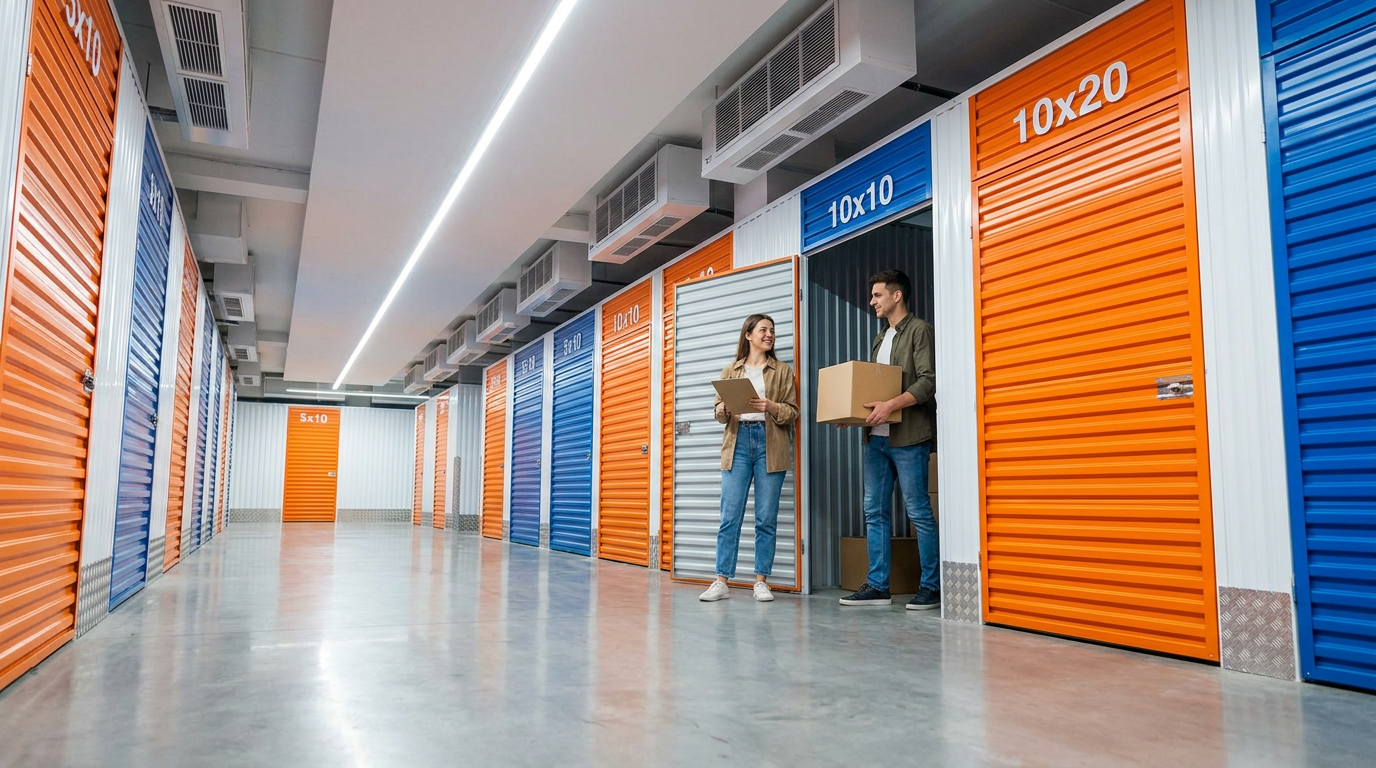
| 5x10 | 50 sq ft | $35 to $75 | One dorm room with furniture |
| 10x10 | 100 sq ft | $70 to $150 | 2 to 3 roommates combined |
| 10x15 | 150 sq ft | $95 to $175 | Full apartment or 4+ students |
For students attending Colorado Mesa University in Grand Junction or those living along the I-70 corridor near Rifle, Silt, or New Castle, a storage unit size guide can help determine exact space requirements based on your specific inventory.
How Much Does Student Storage Cost?
Student storage costs vary based on unit size, location, and rental duration. The U.S. Census Bureau reports that college enrollment peaks in fall, creating seasonal demand patterns that affect storage pricing near universities. Units within 5 miles of campus typically cost 20% to 35% more than facilities 10 to 15 miles away.
Summer storage for the typical 3 to 4 month break costs between $105 and $300 total for a 5x10 unit. Students in rural Colorado communities like Parachute and Battlement Mesa often find rates 30% to 40% lower than facilities in Denver or Boulder.
Cost Breakdown by Storage Duration
Short-term summer storage (May through August) represents the most common rental period for college students. A 5x10 drive-up unit at $55 per month totals $220 for a four-month summer break. This compares favorably to shipping costs, which average $200 to $500 one way for furniture and boxes according to United Parcel Service and FedEx rate calculators.
Students who need year-round storage for items like skis, camping gear, or seasonal clothing can expect to pay $660 locally at Parachute Self Storage, with the national range typically running $414 to $900 annually for a 5x10 unit. Month-to-month leases with no deposit required provide flexibility to adjust or cancel as needs change.
Seven Money-Saving Tips for College Student Storage
Strategic planning can reduce storage costs by 40% or more. The National Apartment Association found that 67% of college students move at least once during their academic career, making storage a recurring expense worth optimizing.
1. Split a Larger Unit With Roommates
Renting a 10x10 unit with two or three roommates costs $25 to $50 per person monthly, compared to $35 to $75 each for individual 5x5 units. A 10x10 drive-up unit at $115 per month split three ways equals about $38 per student. Create a simple inventory list and photograph each person's items before storing to prevent disputes.
2. Book 2 to 3 Weeks Before Finals
Storage facilities near colleges see booking increases of 200% to 300% during the two weeks before finals, according to industry data from SpareFoot. Reserving your unit 14 to 21 days early locks in availability and often qualifies for early-bird discounts of 10% to 20%.
3. Choose Drive-Up Access Units
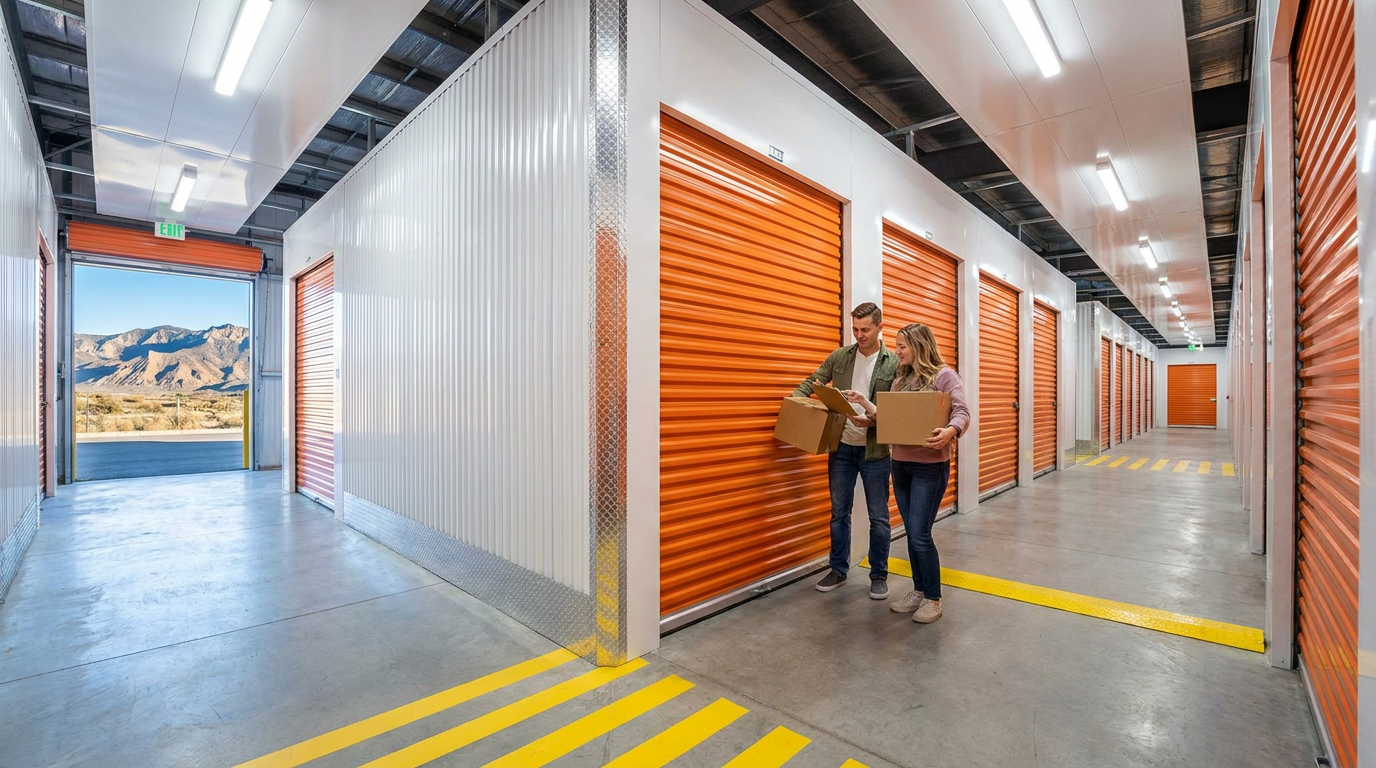
Drive-up storage units allow you to pull your vehicle directly to the unit door, eliminating the need for carts, elevators, or long hallway walks. This feature reduces move-in time by 45 to 60 minutes compared to interior units. Facilities with 24/7 access let you load and unload on your schedule, even during late-night study breaks.
4. Use Free Packing Materials
Purchasing new boxes and packing supplies adds $50 to $150 to storage costs. Instead, collect free boxes from campus bookstores, local grocery stores like Walmart and City Market, or community Facebook Marketplace groups. Campus recycling centers often have flattened boxes available during move-out periods.
5. Rent Only the Space You Need
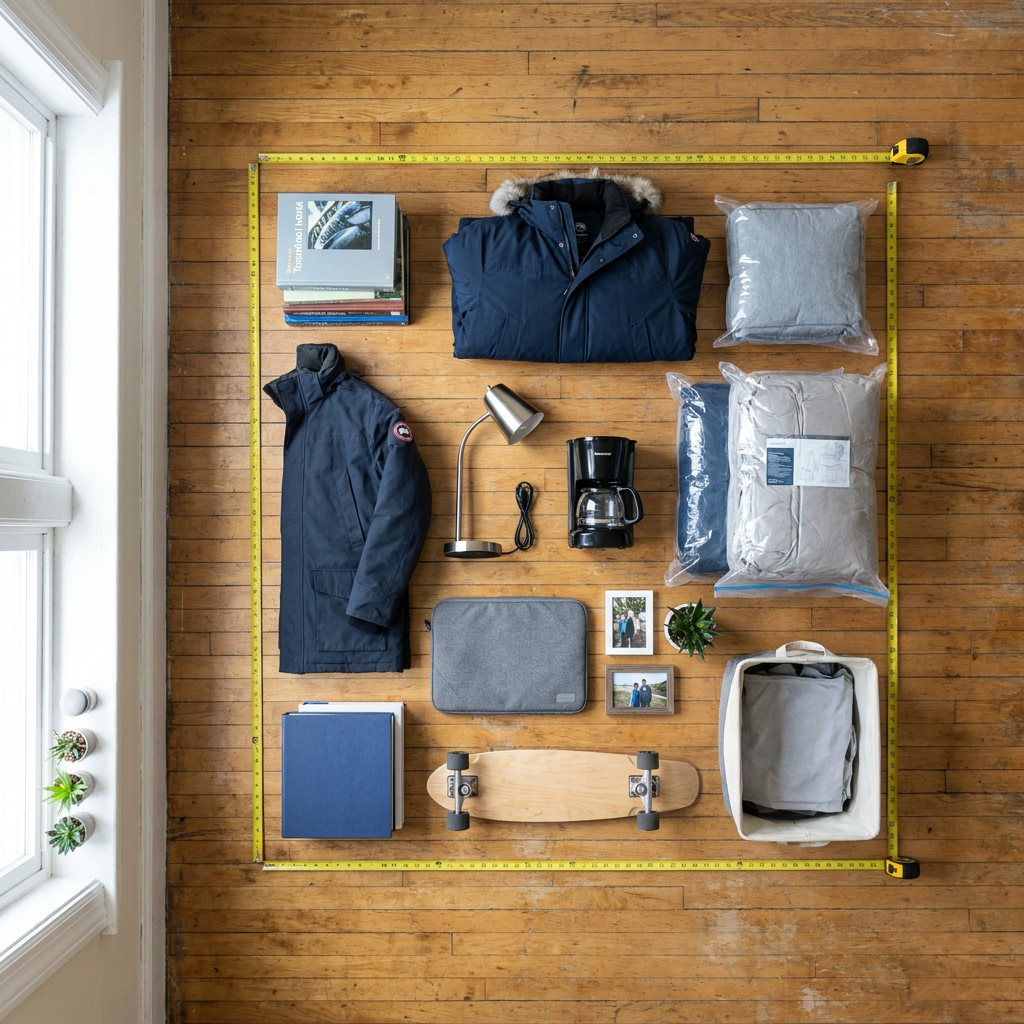
Measure your largest items before renting. A twin XL mattress measures 38 by 80 inches, a standard dorm desk is approximately 48 by 24 inches, and a mini fridge stands 32 to 34 inches tall. These dimensions help determine whether a 5x10 or smaller unit will suffice. Consult a storage unit size guide for visual comparisons.
6. Avoid Climate Control Unless Necessary
Climate-controlled units cost 25% to 50% more than standard units. Most college items, including furniture, clothing, and kitchenware, do not require temperature regulation for 3 to 4 month summer storage. Reserve climate control for electronics, musical instruments, vinyl records, or wooden antiques that could warp in temperatures above 90 degrees Fahrenheit.
7. Look for Student Discounts and Promotions
Many storage facilities offer student discounts of 10% to 15% with a valid student ID. First-month-free promotions are common during peak moving seasons. Locally owned storage facilities often provide more flexible pricing than national chains like Public Storage, Extra Space Storage, or CubeSmart.
What Items Should College Students Store?
Strategic decisions about what to store versus what to take home can reduce both storage costs and transportation hassles. The American College Health Association reports that the average dorm room contains 1,200 to 1,500 individual items, though only 30% to 40% of these require secure storage.
Items Worth Storing
Furniture represents the highest-value storage category for students. A twin mattress, bed frame, desk, chair, and bookshelf would cost $300 to $800 to replace if discarded and repurchased each year. Storing these items for $140 to $300 over summer saves $160 to $500 annually.
Other items worth storing include mini fridges (replacement cost $80 to $200), microwaves ($50 to $150), area rugs ($40 to $150), and seasonal clothing that would take up suitcase space. Textbooks you plan to keep for reference or resale also store well in climate-stable conditions.
Items to Take Home or Sell
Perishable items, including food, plants, and opened toiletries, should never go into storage. Valuable electronics like laptops, tablets, and gaming consoles are safer at home where you can monitor them. Items with low replacement costs, such as shower caddies, hangers, and basic school supplies, often cost less to repurchase than to store.
When Should Students Rent a Storage Unit?
Timing your rental strategically can save money and guarantee availability. Peak demand periods occur during the last two weeks of spring semester (typically early to mid-May) and the first two weeks of fall semester (late August to early September).
Optimal Booking Timeline
Research storage options 4 to 6 weeks before your move-out date. Compare at least three facilities on price, location, and features. Reserve your unit 2 to 3 weeks before finals to lock in availability. Plan your move-in for a weekday morning when facilities are less crowded, typically Tuesday through Thursday between 8 AM and 11 AM.
Students attending schools near Parachute, Battlement Mesa, Rifle, or Grand Junction can rent a storage unit online in 60 seconds with immediate move-in access, eliminating the need to schedule appointments during busy exam periods.
How to Choose the Right Storage Facility
Location, security, and access hours are the three most important factors for college student storage. A 2024 survey by Statista found that 78% of storage renters prioritize security features, while 65% consider 24/7 access essential.
Security Features to Look For
Essential security features include perimeter fencing, coded gate entry, and 24/7 video surveillance. These features protect against theft and unauthorized access. Facilities with individual unit alarms provide an additional layer of protection, though this feature is less common and typically adds $10 to $20 per month.
Check whether the facility requires your own lock or provides one. Disc locks and cylinder locks offer better security than standard padlocks, which can be cut with bolt cutters in under 30 seconds.
Access Hours and Convenience
Facilities with 24/7 access allow you to retrieve items during late-night study sessions or early-morning departures. This flexibility is particularly valuable for students with unpredictable schedules. Drive-up access eliminates the need to navigate hallways and elevators with heavy boxes.
Consider the facility's distance from campus. A location 10 to 15 minutes away typically offers lower rates than on-campus or adjacent facilities while remaining convenient for occasional access.
Packing Tips for College Storage Units
Proper packing protects your belongings and maximizes available space. The Institute of Scrap Recycling Industries estimates that improper packing causes $2.3 billion in storage-related damage annually across the United States.
Maximize Vertical Space
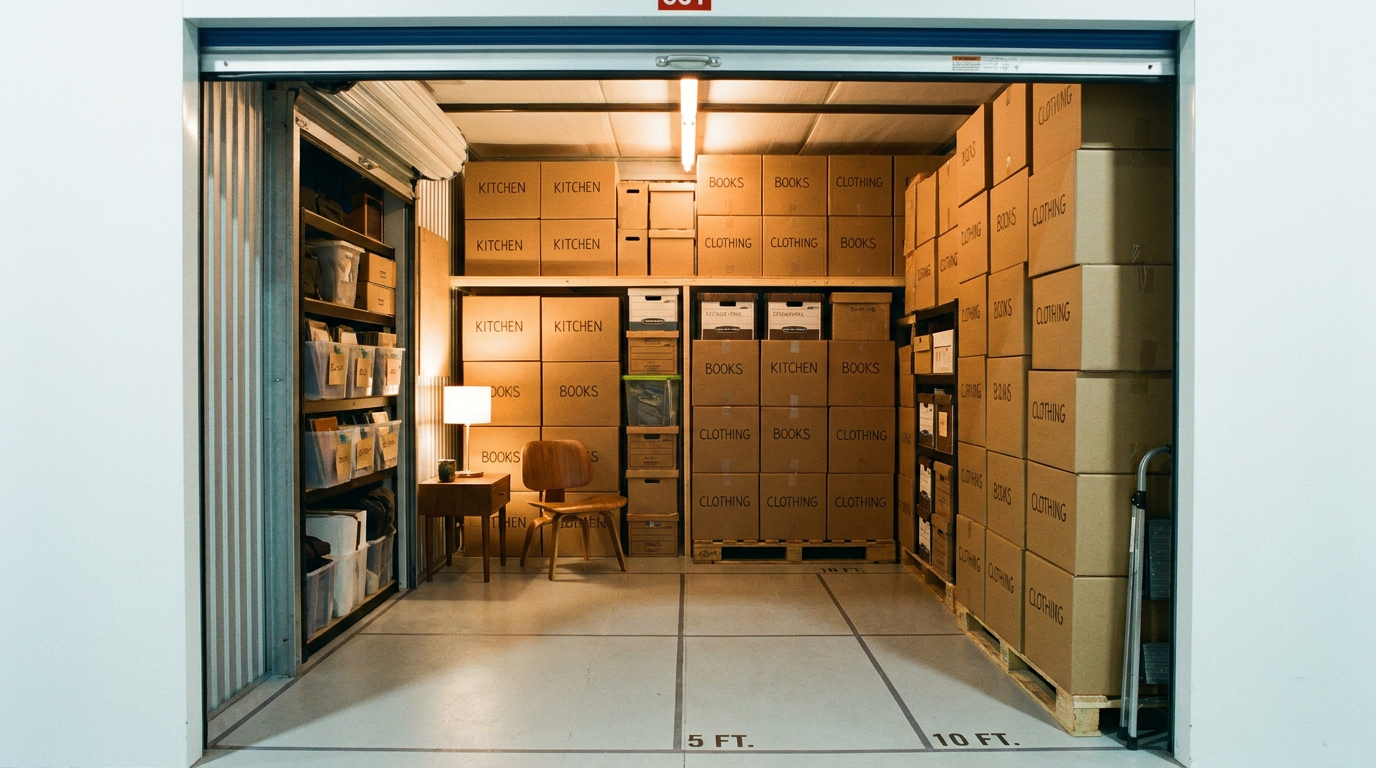
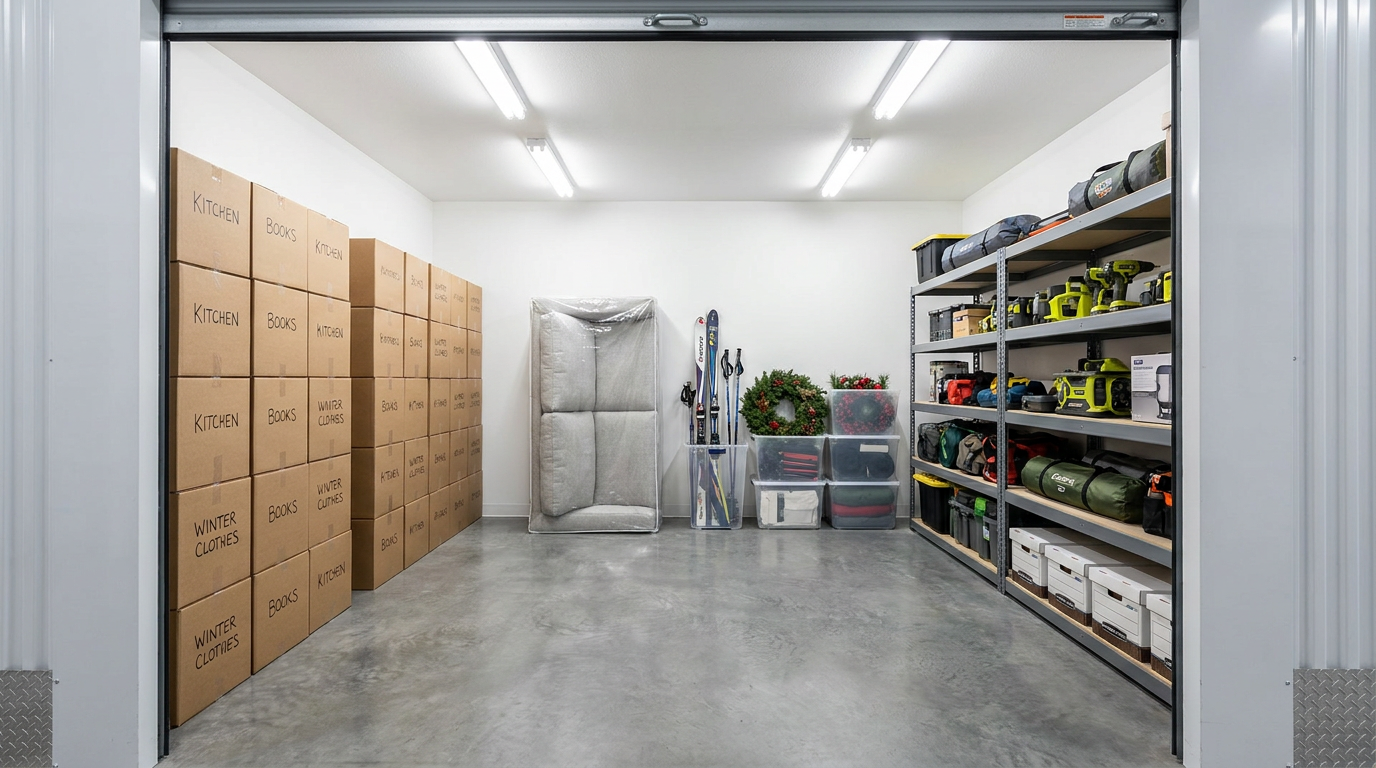
Stack boxes and furniture to use the full 8-foot ceiling height of most storage units. Place heavier items on the bottom and lighter boxes on top. A 5x10 unit with 8-foot ceilings provides 400 cubic feet of storage space when packed efficiently.
Disassemble bed frames, desks, and bookshelves to save space. Keep hardware in labeled plastic bags taped to the corresponding furniture piece. Stand mattresses on their side along the back wall to free floor space for boxes.
Protect Your Belongings
Wrap furniture in moving blankets or old sheets to prevent scratches. Use plastic bins instead of cardboard boxes for items susceptible to moisture or pests. Place a moisture absorber packet (available at hardware stores for $5 to $15) in your unit to prevent humidity damage during summer months.
Create an aisle down the center of your unit for easy access to items in the back. Label all boxes on multiple sides with contents and your name if sharing with roommates.

Frequently Asked Questions About College Student Storage
Can I share a storage unit with my roommate?
Yes, sharing a storage unit is permitted at most facilities and is one of the most effective ways to reduce costs. A 10x10 unit split between two students costs approximately $35 to $75 each, compared to $35 to $75 per person for individual 5x10 units. Document each person's belongings with photos and a written inventory to prevent disputes.
How far in advance should I book a storage unit?
Book your storage unit 2 to 3 weeks before your planned move-in date. This timing ensures availability while potentially qualifying for early reservation discounts. During peak periods near finals, popular unit sizes can sell out 7 to 10 days before the end of the semester.
Do I need renters insurance for my stored items?
Storage facilities typically do not insure your belongings. Check whether your parents' homeowners insurance or your renters insurance policy covers items in storage. If not, storage insurance costs $10 to $20 per month for $2,000 to $5,000 in coverage. Some facilities offer protection plans at the time of rental.
What happens if I need to extend my storage rental?
Month-to-month leases allow you to extend your rental indefinitely by continuing to pay monthly rent. Facilities with flexible storage lease options do not require long-term commitments, making it easy to adjust your rental period as plans change.
Can I access my storage unit at any time?
Facilities with 24/7 access allow you to visit your unit at any hour using a personal access code. This feature is essential for students with irregular schedules. Verify access hours before renting, as some facilities restrict access to business hours or close overnight.
Local Storage Options for Western Colorado Students
Students attending Colorado Mesa University or living in communities along the I-70 corridor have access to storage facilities in Parachute, Battlement Mesa, Rifle, Silt, New Castle, and Grand Junction. Facilities located just off Interstate 70 provide convenient access for students traveling between campus and home.
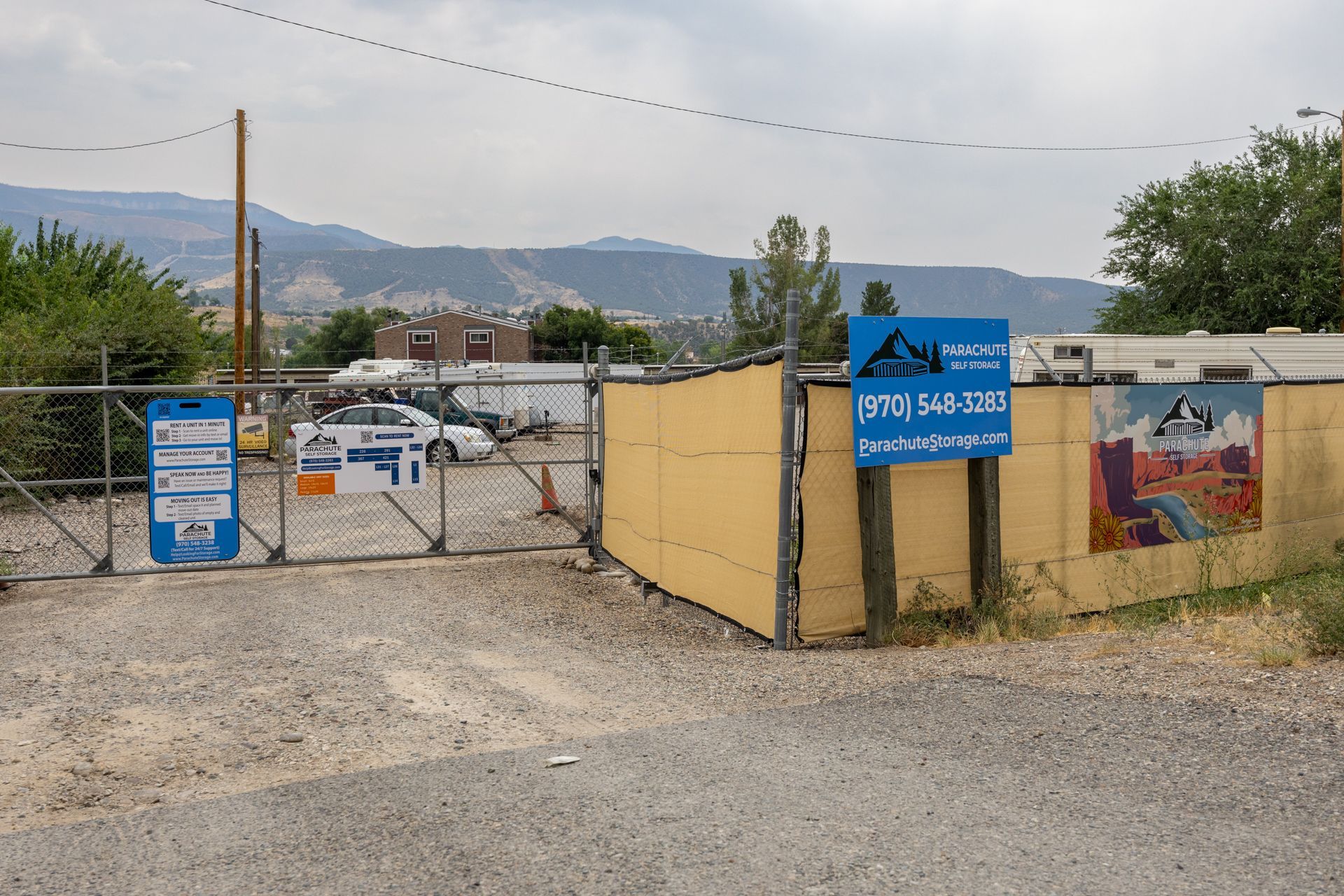
Local storage options often provide better value than facilities in larger metropolitan areas. A 5x10 drive-up unit in Parachute starts at $55 per month, compared to $60 to $90 for comparable units in Denver. The Parachute Self Storage facility at Exit 75 offers drive-up access, 24/7 entry, and month-to-month leases with no deposit required.
For students storing vehicles, boats, or recreational equipment during the school year, outdoor parking spaces start at $75 per month. This option works well for students who bring cars to campus but do not need daily vehicle access.
|